Beginners
78 guides tagged Beginners

Winter Beekeeping: What to Do, and Mostly What Not to Do
Winter is the season where the best beekeepers do the least. The colony is a self-heating organism running on a fixed fuel budget you set in September, and almost every intervention available to you costs it heat it cannot spare. The real winter jobs are small: heft the hive monthly, keep the entrance clear, add emergency feed if it is light, keep condensation off the cluster, take the broodless mite shot if your region offers one, and spend the rest of the season ordering, building, and planning.
Updated Aug 202618 min read

Spring Beekeeping: The Eight Jobs, In Priority Order
Spring is the only season where the colony is growing faster than you are. Population doubles on a two-week clock, drones appear, swarm pressure builds, and every job you postpone gets more expensive. This is the working spring checklist: what the bees are doing biologically, the eight jobs in the order they must happen, the gear each one demands, the mistakes that cost people their honey crop, and how to shift the whole thing for the South, the Midwest, and the northern tier.
Updated Aug 202618 min read

Plastic vs Wax Foundation: Which Should You Buy?
One is nearly indestructible and survives an extractor at full speed. The other is what bees prefer and what comb honey demands. We settle which one belongs in your frames, when the other one earns its place, and why the trick that fixes plastic's only real weakness costs about four dollars.
Updated Aug 202614 min read

Package Bees vs Nuc: Which Should You Buy?
A package is three pounds of bees in a screened box with a queen they have never met. A nuc is a small working colony with brood, comb, and a laying queen already in production. For a first-year beekeeper the nuc is worth every dollar of the premium, and this is the full accounting of why.
Updated Aug 202614 min read
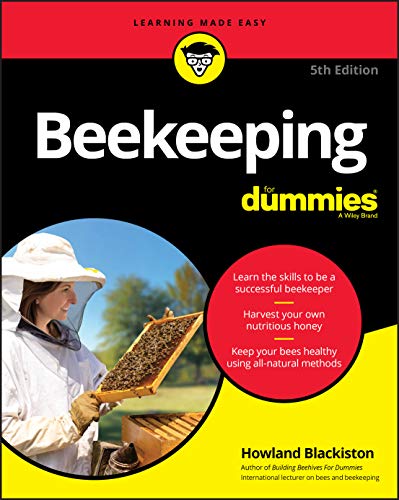
Italian vs Carniolan Bees: Which Race to Buy
Italians for long warm seasons and steady, predictable buildup. Carniolans for northern winters, frugal clusters, and explosive spring growth. We break down buildup, swarming, temperament, robbing, wintering, and the one caveat that beats race selection entirely.
Updated Aug 202615 min read

Hive Top Feeder vs Entrance Feeder: Which Should You Buy?
An entrance feeder puts a jar of sugar syrup on the doorstep of your hive and announces it to every colony within two miles. A top feeder puts the same syrup inside, where only your bees can reach it. That difference has killed more small colonies than any other feeding mistake, and it decides this comparison.
Updated Aug 202613 min read
Deep vs Medium Supers: Which Should You Buy?
A full 10-frame deep weighs about 90 lbs. A full medium weighs about 50. If you work your hives alone, that 40 lb gap is not a preference, it is the difference between a hobby you keep and a hobby your back retires you from. Here is the full case, including the argument that beats weight.
Updated Aug 202614 min read

The Best Kids Beekeeping Suits (2026)
A child's bee suit is not a costume, it is a closure system. We ranked three kids suits and the gear that goes with them, explained why you size by height rather than age, and stated the one safety rule that overrides every other consideration in this guide.
Updated Aug 202613 min read

The Best Hive Covers and Inner Covers (2026)
The roof of a hive is two parts doing two different jobs, and beginners routinely run only one of them. We ranked five covers and cover sets, explained exactly why the inner cover exists, and made the case that winter colonies die of condensation far more often than they die of cold.
Updated Aug 202614 min read

The Best Bee Smoker Fuel (2026)
Smoker fuel is the cheapest thing in your kit and the one that decides whether your inspection is calm or chaotic. We ranked the four burlap and jute fuels worth buying, explained what separates cool white smoke from hot sooty smoke, and listed everything you should never put in a firebox.
Updated Aug 202613 min read

Worker and Drone Bees: What the Other 99 Percent Actually Do
The colony's workforce and its males, explained properly: how a worker changes jobs roughly every week of her life from cell cleaner to nurse to wax builder to guard to undertaker to forager, why a summer worker burns out in six weeks while a winter bee lives six months, how the waggle dance turns 20,000 foragers into one searching organism, what a foraging trip actually costs, why laying workers are the hardest problem in beekeeping, and the strange, short, genetically vital life of a drone.
Updated Aug 202623 min read

Wax Moths in Beehives: The Symptom, Not the Cause
Wax moths almost never kill a healthy colony. They arrive after something else already did the killing, and then they eat the evidence. This is the full field guide: greater and lesser wax moth biology, how to read webbing, frass, and the cocoon divots chewed into your woodenware, and the storage protocol that keeps a shed full of drawn comb from turning into a bag of gray silk over one August.
Updated Aug 202619 min read

Urban Beekeeping: Rooftops, Small Yards, and Neighbors
City beekeeping is not backyard beekeeping with less grass. It is a different discipline built on four things: a flyway barrier that forces bees up over head height, a water source on your property, honest hive density, and neighbors who heard about the bees from you instead of from a sting. Here is the whole city playbook, including the rooftop logistics nobody warns you about.
Updated Aug 202619 min read

Small Hive Beetle: The Complete Management Guide
Aethina tumida is a minor nuisance in its native range and a colony killer in the American Southeast, and the difference is almost entirely about colony strength, comb spacing, and soil. This is the full guide: the life cycle, why the pupation stage happens outside the hive and what that means for your hive stand, how to read a slimed frame, the traps that work, and the 48-hour clock that starts the moment supers come off.
Updated Aug 202620 min read
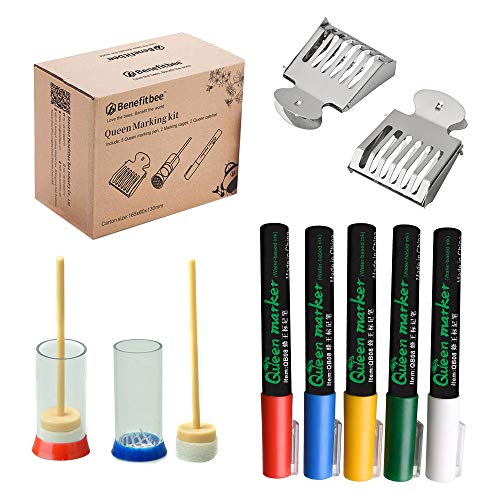
Queen Bee Biology: How a Queen Is Made, Mated, and Replaced
The complete queen file: how any young worker larva becomes a queen on a diet, why she emerges on day 16 while workers take 21 and drones 24, what happens on the mating flight at a drone congregation area, how one week of mating fuels a lifetime of egg laying, how she chooses to lay a worker or a drone, why her pheromone is the glue holding 50,000 bees together, how to read the three kinds of queen cells, and exactly what a failing queen looks like on the frame.
Updated Aug 202624 min read
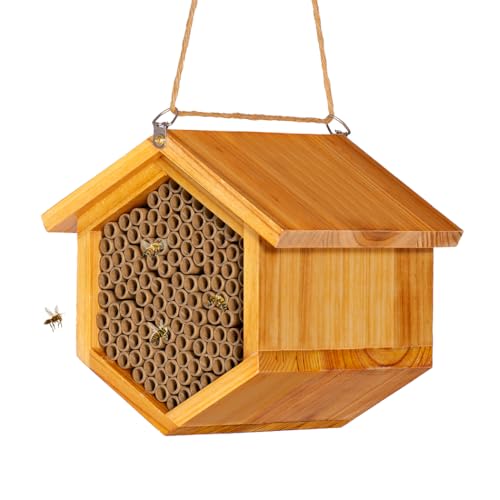
The Native Bees Guide: 4,000 Species Most People Never Notice
The United States has roughly four thousand native bee species, and the one on the honey jar is not among them. Here is the field guide the honey bee overshadows: bumble bees and the buzz pollination almonds and tomatoes depend on, mason and leafcutter bees in the cavities, mining and sweat bees underfoot, squash bees that show up in your zucchini before dawn, and carpenter bees in the deck rail. Plus the single most useful thing you can do for them, which costs nothing.
Updated Aug 202621 min read
Mason Bees vs Honey Bees: Which One Belongs in Your Yard
One is a native solitary insect that costs about sixty five dollars, takes four hours a year, almost never stings, and out-pollinates its rival blossom for blossom. The other is an imported livestock animal that costs several hundred dollars, takes dozens of hours, needs a suit and mite treatments, and makes honey. Here is the full head-to-head on cost, time, stings, pollination, equipment, regulation, and winter work, plus an honest verdict on who should keep which.
Updated Aug 202618 min read

How to Split a Hive: 3 Methods, Step by Step
The move that turns one colony into two, heads off a swarm, and replaces the queen you were going to have to buy anyway. Walk-away splits, splits with a mated queen, and nuc splits, with the frame recipe for each half, the forager drift problem nobody warns you about, and the 28-day clock to a laying queen.
Updated Aug 202621 min read

How to Render Beeswax: From Cappings to Clean Blocks
Rendering is melting raw hive wax and filtering the debris out of it, and it is the difference between a bucket of sticky cappings and blocks you can sell, gift, or turn into candles and balm. The whole craft rests on one rule: beeswax is flammable, so it never touches direct heat. Here are the three methods, the filtering sequence, the yields to expect, and the mistakes that start fires.
Updated Aug 202618 min read
How to Raise Mason Bees: The Complete Year, Start to Finish
No hive, no suit, no smoker, no mite treatments, and no honey either. Mason bees are the gentlest way to put a serious pollinator in a backyard, and the entire practice fits into about four hours a year. Here is the full annual cycle: mounting the house in late winter, releasing cocoons at the right temperature, the mud source that decides everything, watching the nesting season, harvesting and washing cocoons in the fall, and refrigerating them until spring.
Updated Aug 202622 min read
How to Prevent Swarming: The Levers, in Order
Swarming is not bad luck, it is arithmetic: congestion plus a strong flow plus an aging queen. Read the signal ladder from backfilling to charged cells, pull the levers in the right order, and understand why cutting queen cells is the one move that reliably fails.
Updated Aug 202620 min read

How to Move a Beehive Without Losing the Bees
Three feet or three miles, and everything that rule actually means: why foragers fly back to a spot rather than to their family, the workarounds for a short move, how to strap and seal a hive that will not come apart in a truck bed, and why heat, not the drive, is what kills bees in transit.
Updated Aug 202619 min read

How to Help Bees Without Keeping Bees
We sell beehive kits, and we are going to tell you plainly that buying one is not how you help pollinators. Honey bees are managed livestock. The bees that need help are the several hundred wild species already living in your yard, and helping them costs less than a hive, takes less time, and works.
Updated Aug 2026~15 min read

How to Get Rid of Carpenter Bees
Round holes in the fascia, sawdust on the deck, and a big shiny bee hovering in your face every time you open the back door. Here is the order of operations that actually ends it: identify the bee, judge the damage, trap the scouts, plug the tunnels at the right time of year, and finish the wood so next spring there is nothing to drill.
Updated Aug 2026~15 min read
How to Feed Bees Sugar Syrup: Ratios and Rules
1:1 by weight to stimulate spring buildup, 2:1 to pack fall stores, plain white cane sugar and nothing else, mixed with hot water off the heat and never boiled. Plus the rules that matter more than the recipe: when to stop, why supers on means no feeding, and how not to start a robbing war.
Updated Aug 202619 min read
How to Diagnose a Deadout: The Spring Autopsy
You lift the lid in March and the hive is silent. The frames in front of you are a written record of what happened, and the beekeeper who reads them correctly does not repeat the same loss next winter. This is the decision tree: what the cluster position, the stores, the cappings, the cell walls, and the smell each mean, what to salvage, and the one finding that means you stop, do not reuse anything, and call the state.
Updated Aug 202621 min read

Best Mason Bee Tubes and Cocoons: What to Buy Every Year
Nesting tubes are a consumable, not a fixture, and treating them like one is the entire difference between hosting native bees and farming their parasites. Here are the refill packs worth buying, an honest comparison of cardboard, reed, wooden trays, and drilled blocks, plus how to source cocoons without shipping bees across the country, how to harvest and wash them in the fall, and the storage temperatures and release timing that get you a second generation.
Updated Aug 202617 min read
The Best Mason Bee Houses: 8 Tested Picks for Real Native Bees
A mason bee house is the rare garden purchase that either helps native bees or quietly kills them, and the difference is whether you can open it. Here are eight houses ranked on the criterion that matters most, replaceable nesting material, plus the hole diameter blue orchard bees actually want, the mounting height and direction that fill a house in one season, and the reason those pretty bamboo bundles at the garden center belong in the trash.
Updated Aug 202619 min read
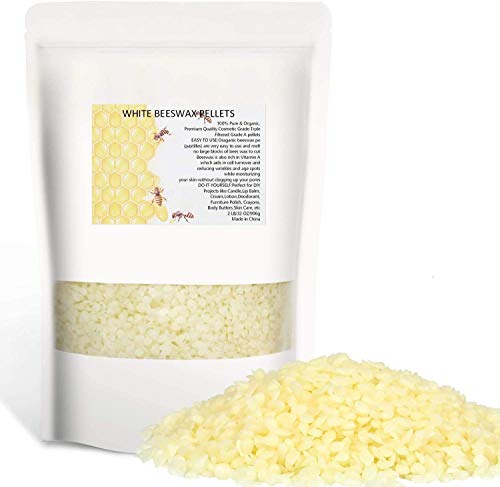
The Best Beeswax Pellets and Wraps (2026)
Pellets are beeswax that has been melted, filtered, and dropped into pea-sized pastilles so it melts fast and measures cleanly. Wraps are cotton coated in wax, jojoba, and tree resin so it clings to a bowl. We ranked four pellet brands and three wrap sets, explained white versus yellow and cosmetic versus craft grade, and covered how to bring a tired wrap back to life.
Updated Aug 202614 min read

The Best Beeswax Lip Balm and Soap Kits (2026)
A lip balm is three ingredients in a ratio, and a melt-and-pour soap bar is one ingredient plus a mold, which is why this whole category is really about whether you want the tubes, labels, and pipettes handed to you in a box. We ranked six kits and bases from $15.99 to $129.99, did the kit-versus-scratch arithmetic, and wrote down the ratios so you can skip the kit entirely if you want.
Updated Aug 202614 min read

The Best Bee Water Stations: 4 Picks That Bees Can Land On
Bees drown in open water, which is why a birdbath is a hazard and a saucer of pebbles is a lifeline. Here are four watering stations ranked on the only spec that matters, whether a bee can stand on dry ground while she drinks, plus how much water a colony really hauls in July heat, how to keep a station from becoming a mosquito nursery, where to put it so bees actually find it, and how to keep your bees out of the neighbor's swimming pool.
Updated Aug 202615 min read

The Best Bee Pollen Granules (2026)
Bee pollen is flower pollen that foragers packed with nectar and their own enzymes, scraped off at the hive door and dried. We compared five granule brands on drying method, moisture, sourcing, and price per pound, from a $19.99 pouch to a $31.99 two-pound bulk bag, and explain how to store it so it does not turn into a jar of clumped, fermented disappointment.
Updated Aug 202614 min read

Beekeeping With Kids: A Safety-First Family Guide
Bees are one of the best things a child can learn from and one of the few hobbies where the introduction genuinely has to be managed. This is how to do it right: what jobs suit which ages, how to have the sting conversation honestly, why child protective gear is harder to source than you expect, and the lower-risk ways in, from observation kits to picture books, that build real understanding before anyone opens a hive.
Updated Aug 202618 min read

Beekeeping in Hot Climates: The Southern Playbook
Texas, Florida, Arizona, the Gulf, and southern California run a different beekeeping year: the hard season is summer, not winter. Shade and ventilation replace insulation, water becomes survival equipment, small hive beetles become a permanent tenant, and a nearly year-round brood cycle means varroa never gets a natural break. Here is the whole hot-climate management set.
Updated Aug 202620 min read
Beekeeping Classes and Certifications: How to Learn
The highest-value beekeeping education in America is not a certificate, it is the county association twenty minutes from your house and the mentor you meet there. This is the honest hierarchy: clubs first, a state association short course second, books alongside, online courses where they fit, and the apprentice-to-master certification ladder later, if at all.
Updated Aug 202618 min read
Bee vs Wasp vs Hornet: How to Tell What You Are Looking At
Ten insects people call bees, sorted out for good. What each one looks like, what it nests in, whether it can sting you more than once, what it actually eats, and what you should do about it. Including the single most useful fact in this whole guide: the thing at your soda can in August is almost never a honey bee.
Updated Aug 2026~16 min read
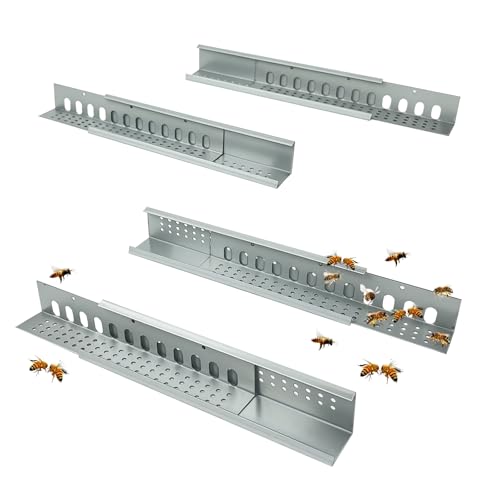
Apiary Predators: Mice, Skunks, Bears, and the Rest
Everything bigger than a beetle wants something from your hives, and each one leaves a different signature at the entrance. This is the full field guide to reading that evidence and answering it: mouse guards before the first frost, raised stands and tack strips for the night scratchers, electric fencing for bears because nothing else works, and the fall yellowjacket pressure that finishes weak colonies.
Updated Aug 202620 min read
American Foulbrood: Signs, Reporting, and What Happens Next
AFB is the one honey bee disease that ends with a fire and a phone call. It is caused by a spore-forming bacterium that survives in old comb and hive parts for decades, it kills brood faster than a colony can replace it, and in much of the United States it is reportable to a state apiary inspector. This is the field guide: the signs in the order you meet them, the rope test done properly, what your state will likely require, and the prevention rule that stops nearly every case before it starts.
Updated Aug 202619 min read
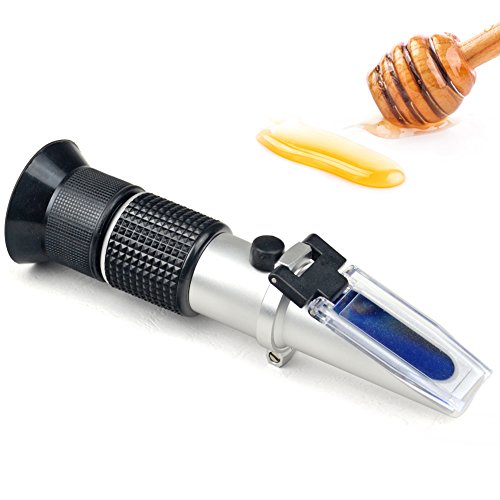
How Bees Make Honey: From Nectar to Capped Comb, Step by Step
The whole transformation, honestly told: how foragers find and haul nectar, what actually happens in the honey stomach, the enzyme chemistry hedged in plain English, the fanning shift that dries a flower's sugar water down to 17 or 18 percent moisture, the wax cap that seals the deal, why the result essentially never spoils, and how much of it a colony makes versus how much a beekeeper can fairly take.
Updated Aug 202619 min read
The Best Plants for Honey Bees: Seed Mixes and a Real Forage Plan
What to plant if you actually want to feed bees: the seed mixes worth buying, the nectar-versus-pollen distinction nobody explains, a bloom-succession plan that covers early spring through the fall gap, why one good tree beats your whole flower bed, what not to plant, and the pesticide fine print. Written by the desk that also does the honey math, because forage is where the honey comes from.
Updated Aug 202621 min read
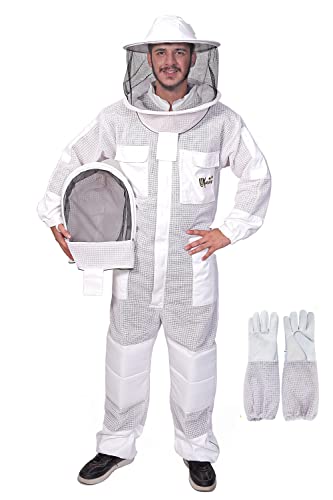
Bee Sting Safety: Reactions, First Aid Basics, and Real Prevention
The honest version of the sting talk: what a normal reaction looks like, what a large local reaction is, which symptoms mean call 911 now, how to get a stinger out (scrape, never pinch), what sting immunity folklore gets wrong, and why a ventilated suit and a lit smoker prevent more problems than any remedy treats. Informational only: your doctor, not a gear site, is the authority on your body.
Updated Aug 202618 min read
The Beekeeping Glossary: 90+ Terms Every Beekeeper Should Know
Every word your mentor, your club, and your first beekeeping book will throw at you, defined in plain English and organized the way the apiary actually works: the colony, the hive, the gear, the biology, the diseases, the honey, and the jobs. Bookmark it, search it, and stop nodding along at club meetings.
Updated Aug 202628 min read

The Beehive Placement Guide: Where to Put Your Hive
The complete siting playbook: sun and shade by climate, the truth about facing entrances southeast, windbreaks and winter exposure, why a water source within flight range keeps you out of the neighbor's pool, flight path management with a simple fence, distances from doors and walkways, rooftop beekeeping, stand height that saves backs and colonies, electric fencing where bears live, and the neighbor diplomacy that keeps a good site usable for years.
Updated Aug 202622 min read

Types of Honey Bees: Races and Breeds Compared
Italian, Carniolan, Russian, Buckfast, Caucasian, Saskatraz, and the Africanized bees you should know about but never buy: temperament, spring buildup, overwintering, and mite resistance for every stock an American supplier will offer you, honestly hedged as the general reputations they are, with a comparison table and a straight answer on what a beginner should actually order.
Updated Aug 202620 min read
Where to Buy Bees: Nucs, Packages, and Everything Else
The complete guide to acquiring honey bees: what a nuc, a package, a swarm, a split, and a full colony actually are, what each costs as an honest market range, why the ordering window is December through February, how shipped bees survive the mail, how to find a good local supplier through your state association, the questions to ask before you pay, and the red flags that should send you elsewhere.
Updated Aug 202622 min read
Beekeeping Laws by State: The 50-State Directory
How beekeeping is actually regulated in the United States: state apiary programs, registration and inspection patterns, the movable-frame rule behind nearly every state law, why your city ordinance and HOA matter more than the state statute, and a 50-state directory of the agency to call before your bees arrive. No invented fees, no stale deadlines, just the map and the phone numbers that matter.
Updated Aug 202624 min read
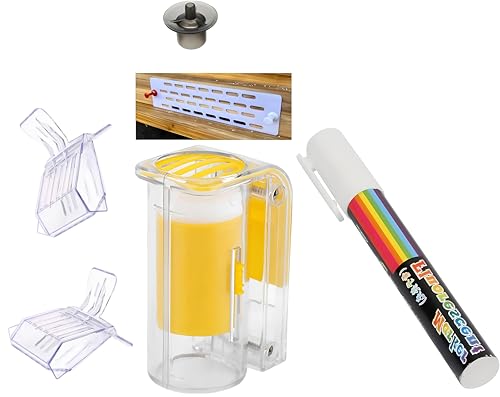
How to Requeen a Hive Without Losing the Colony
Every queen problem in beekeeping has the same fix and the same fear: replace her, and pray the colony agrees. The praying is optional. Requeening done by protocol, right diagnosis, clean dispatch, a caged introduction with a candy-release delay, and disciplined hands-off patience, succeeds most of the time, and the failures mostly trace to one of four impatience errors this guide names. Here is the whole craft, from reading a failing brood pattern to releasing a marked, accepted, laying queen.
Updated Aug 202620 min read
How to Catch a Swarm of Bees (and Keep It)
A swarm is a colony's whole future hanging from a branch: a queen, ten thousand workers, and stomachs full of honey, looking for a home. Catching one is the cheapest way into beekeeping and the most fun thing the hobby offers, and it is mostly technique, not courage. Here is the whole craft: when swarms fly, how to take one off a branch with a shake and a box, when to run a bait hive instead, and the aftercare that turns free bees into a colony that lives.
Updated Aug 202620 min read
How to Winterize a Beehive: The Full Survival Protocol
Winter does not kill honey bee colonies. Mites, starvation, and condensation kill colonies, and all three are decided in fall while the weather is still pleasant. This is the complete winterizing protocol in order of importance: the August mite knockdown, the weight targets, the entrance hardware, the moisture plan that outranks any wrap, and the restraint that carries a hive from November to the first dandelions.
Updated Aug 202621 min read
How to Install a Nuc: The Calm Way to Start a Hive
A nucleus colony is a working hive on five frames: laying queen, brood, stores, and an organized workforce. Installing one is ten unhurried minutes of moving frames in order. Here is the complete walkthrough, from reserving the nuc in winter to the moment you add the second box.
Updated Aug 202617 min read
How to Install a Package of Bees, Step by Step
Three pounds of loose bees, one caged queen, and ten minutes that feel like an hour: the complete install-day walkthrough, from the syrup spray to the candy release, plus the day 3-5 queen check and the day 7-10 first inspection that tell you whether it worked.
Updated Aug 202618 min read

The Best Mead Making Kits (2026)
Mead is what a beekeeper's surplus honey wants to become: about three pounds per gallon, some yeast, and patience turn the harvest into the oldest drink there is. We ranked five one-gallon kits and the bucket setup that feeds them, from a $39.99 starter to the $79.99 deluxe rig, by equipment quality, sanitation coverage, and how likely the first batch is to be one you proudly pour.
Updated Aug 202615 min read
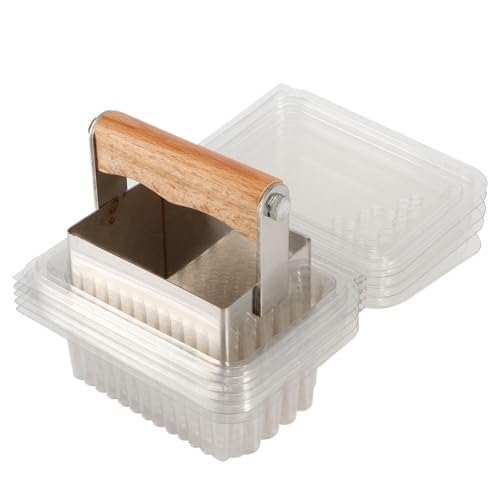
The Best Comb Honey Supplies (2026)
Comb honey is the highest-priced product a backyard hive can make and the only premium one that needs no extractor at all: the bees do the packaging. We ranked the cutters, clamshell boxes, foundation, and the super setup that turn a frame of new comb into $15-and-up retail squares, and we walk the cut-comb workflow that makes it repeatable.
Updated Aug 202614 min read

The Best Beeswax Candle Making Supplies (2026)
Every harvest leaves you a bag of cappings wax, and cappings wax is the cleanest, most valuable wax a beekeeper ever owns. We ranked seven kits, molds, sheets, and melters, from a $19.99 starter kit to the $57.90 rendering workhorse, by wax quality, wick fit, and whether the finished candle sells for what beeswax candles actually sell for.
Updated Aug 202615 min read

The Best Honey Jars and Labels (2026)
The jar is the only part of your operation the customer ever touches, and the difference between a $6 jar and a $12 jar at a farmers market is mostly packaging. We ranked nine jars and bottles and three label options, from a $0.67-per-jar sampler to the statement skep jar, by seal quality, per-jar cost, and how much premium the glass actually earns back.
Updated Aug 202617 min read
Honey Lake Beehive Starter Kit Review (2026)
Honey Lake's 10-frame Langstroth starter kit is the box we hand to more first-year beekeepers than any other: beeswax-coated wood, honest dimensions, and a manifest that matches its listing, for $159.99. We reviewed it through assembly, the first season, and the growing stack, against the brand's own $79.79 8-frame, the tool-stocked BeeCastle bundle, and the wax-dipped MayBee.
Updated Aug 202614 min read
USKEEPERS Bee Suit Review (2026)
The USKEEPERS 3-layer ultra ventilated suit is the one we reach for on 95 degree inspection days: a full-body mesh sandwich that holds stingers off your skin while air moves through it. We reviewed the $129.99 suit through fit, first-season use, laundering, and long-term durability, against its cheaper polycotton sibling, the BeeProGear rival, and the $45.99 budget question.
Updated Aug 202613 min read
The Best Beekeeping Books (2026)
Bees kill more colonies through beekeeper ignorance than through anything sold in a store, which makes a good book the highest-return equipment in the hobby. We ranked the five titles worth shelf space, matched each to the beekeeper it teaches best, and paired the whole list with the free university extension resources that keep book knowledge current.
Updated Aug 202613 min read

How Much Honey Does One Hive Produce?
The honest answer is a range, not a number: an established, healthy colony in most US regions yields about 30 to 60 pounds of surplus honey in a normal year, a first-year colony usually yields close to none, and the gap between a 20-pound year and an 80-pound year comes down to forage, weather, colony strength, and mites. Here is the whole calculation, jars included.
Updated Aug 202614 min read

Langstroth vs Top Bar vs Warre: Which Hive Should You Actually Run?
Three hive philosophies, one honest referee. The Langstroth is the standardized vertical hive that runs American beekeeping, the horizontal top-bar hive trades extractable honey for a back that never lifts a super, and the Warre asks you to leave the bees alone on purpose. We walk the history, the physics, the honey math, and the one argument nobody makes loudly enough: compatibility with the beekeepers around you.
Updated Aug 202615 min read
8-Frame vs 10-Frame Beehives: Which Should You Buy?
The width of your first hive box is the most permanent decision in beekeeping: every box, cover, and bottom board you ever buy inherits it. The bees are fine in either. The choice is about your back, your budget, your resale market, and the aisle you will shop for the next decade, and we settle it here with the actual numbers.
Updated Aug 202612 min read
12 Beehive Kit Buying Mistakes That Cost Beginners Real Money
We read the one-star reviews so you do not have to live them: the twelve most expensive errors people make buying their first beehive kit, from the $80 listing with no frames inside to the secondhand deal that came with a notifiable disease. Each mistake comes with the fix and the link to the gear that avoids it.
Updated Aug 202619 min read
Your First-Year Beekeeping Calendar, Month by Month
Beekeeping is a calendar sport: every month has one job that cannot be done in any other month, and the colonies that die in February were usually lost to a task skipped in August. This is the whole first year on one page, December ordering through your first spring-two inspection, on a US temperate baseline with honest adjust-by-region notes for the Gulf South, the northern tier, and the arid West.
Updated Aug 202622 min read
The Beekeeping Cost Index: What Bees Really Cost
Every line item of starting and running a backyard apiary, actually priced: three complete builds from a $340 shoestring to a $1,900 premium two-hive setup, the $150 to $250 bees nobody budgets for, year-two costs, and the slightly painful math on what your first jar of honey really cost. Updated against live prices, linked from every roundup on this site.
Updated Aug 202621 min read

How to Start Beekeeping: The Complete First-Year Plan
Everything between "I think I want bees" and a colony alive next spring: the class to take, the rules to check, the hive to buy, where bees actually come from, what it costs, and the monthly work nobody mentions at the farmers market. Written the way we wish someone had written it for us, with the varroa talk up front instead of buried.
Updated Aug 202624 min read
The Best Bee Feeders (2026)
Feeding is how beekeepers buy time: for a package drawing comb, a nuc building up, or a light colony racing winter. We ranked the five feeders we would actually put on a hive, top feeders that pour gallons without opening the brood nest and entrance feeders that make spring stimulation cheap, and covered the syrup math and robbing rules that make any of them work.
Updated Aug 2026~13 min read

The Best Varroa Mite Treatments (2026)
Varroa mites are the number one reason colonies die, and hoping is not a treatment plan. We ranked the six legal treatments we would actually put in a hive, from the supers-on benchmark Formic Pro to the new RNAi option, organized by chemistry class so you can rotate like the pros, plus a sidebar on small hive beetles while you have the lid off.
Updated Aug 2026~16 min read

The Best Beehive Frames and Foundation (2026)
Frames are the only part of a hive the bees actually live on, and the only part you will keep buying for as long as you keep bees. We ranked six frame and foundation picks from $15.19 to $93.99, and laid out the decisions that matter more than the brand: deep or medium, wax-coated plastic or pure wax or none at all, and when old black comb should retire.
Updated Aug 202614 min read

The Best Honey Extractors (2026)
An extractor is the most expensive tool most backyard beekeepers ever buy, and the wrong one either wastes $300 or turns harvest day into a two-day arm workout. We ranked nine extractors, manual and electric, from a $107.99 two-frame starter to the $449.99 VIVO 8-frame electric, by hive count, drum quality, and how they behave when the honey is actually flowing.
Updated Aug 202616 min read

The Best Beekeeping Tool Kits (2026)
Beekeeping runs on about five tools, and the kits run from nine pieces to thirty-five. We ranked the five kits and two standalone stalwarts we would actually carry to the hive, from the tote-organized BeeCastle 9-piece to a $6.95 pair of J-hooks that outworks half the mega kits, and we name exactly which pieces you will use weekly and which are box filler.
Updated Aug 202614 min read

The Best Bee Smokers (2026)
A smoker that dies mid-inspection is the most common equipment failure in beekeeping, and the most preventable. We ranked the five smokers we would actually light, from the Foxhound Pro that burns for a whole bee yard to a $17.99 Blisstime that starts more beekeepers than any other, and we cover the fuel, the lighting method, and the science of why smoke works at all.
Updated Aug 202614 min read

The Best Beekeeping Jackets and Gloves (2026)
Most experienced beekeepers do most of their inspections in a jacket, not a full suit, and their gloves take more stings than everything else they own combined. We ranked the four jackets and three gloves we would actually work in, from the ventilated USKEEPERS jacket to $7.49 goatskin gloves that embarrass the pricey ones, and we explain when half a suit is the smarter buy.
Updated Aug 202614 min read
The Best Beekeeping Suits (2026)
A bee suit has one job that is really three: stop stingers, dump heat, and stay on your body through two hundred hive inspections. We ranked the six full suits we would actually zip into, from the ventilated USKEEPERS 3-Layer to a $29.99 VIVO that is honest about what it is, and we explain the mesh, the veils, and why you should almost always size up.
Updated Aug 202615 min read
The Best Nuc Boxes and Swarm Traps (2026)
The humble five-frame box is the highest-leverage equipment in a small apiary: it houses your splits, banks your queens, catches free bees every spring, and costs less than a single package of the bees it can save or capture. We ranked nine picks across both jobs, from the $38.81 plastic workhorse the industry standardized on to a $175 assembled trap built for serious swarm season, plus the two lures that make any box smell like home.
Updated Aug 202617 min read
The Best Observation Beehives (2026)
A hive with a window changes who gets to see the bees: kids at arm's length, nervous neighbors, and you on a February afternoon when opening the boxes would chill the cluster. We ranked four window hives from $89.99 to $152.99, and we are clear about the limit up front: a window shows you the colony; it never replaces an inspection.
Updated Aug 202613 min read

The Best Auto-Flow Beehives (2026)
Turn a key, watch honey pour from a tap: that is the auto-frame promise, and within its real limits it delivers. We ranked five self-harvesting hives from the $458 ACORNS flagship down to a $235 four-frame starter, and we are equally clear about the part no listing mentions: you still inspect, you still fight varroa, and the tap only replaces the extractor.
Updated Aug 202615 min read

The Best 8-Frame Beehives (2026)
The 8-frame hive is the format for beekeepers who lift alone: a full 8-frame deep runs about 65 lbs by listed estimates against roughly 90 for a 10-frame, and that gap decides who can actually work a hive solo. We compared eight kits from $79.79 to $159.99 and ranked them by build quality, bee safety, and what genuinely ships in the box.
Updated Aug 202614 min read
The Best Beehive Starter Kits (2026)
A starter kit is the box your first colony lives or dies in, and the differences that matter are not the ones on the product photo. We compared nine kits from about $80 to $320, checked what is actually in each box, and ranked them by build quality, bee safety, and whether a first-year beekeeper can assemble and run them without a mentor standing by.
Updated Aug 202616 min read
Our top-rated beekeeping gear
Whatever you decide, this is the gear we recommend: verified, researched, and ranked. Live price check on each.

As an Amazon Associate we may earn from qualifying purchases, at no cost to you.