Our Pick: HIVE ALIVE
Check PriceWinter Beekeeping: What to Do, and Mostly What Not to Do
The most useful thing you can buy for winter costs $19.99: a block of HIVE ALIVE bee fondant sitting on your shelf, unopened, ready for the February morning when a hive hefts light and syrup is out of the question. Most winters you will not need it. The winter you do, nothing else will substitute, and there is no time to order.
By The BeehiveKits Hive Desk2026-08-2918 min read Fact-checked against verified Amazon listingsHow we research
Here is what is actually happening inside the box. A wintering colony does not heat the hive; it heats itself. The bees form a cluster, a dense ball with a shell of tightly packed insulating bees and a looser core where individuals shiver their flight muscles to generate warmth. The core runs warm, around 90F or higher when brood is present and cooler when it is not, while the outer shell may sit near 45 to 50F. Bees rotate between shell and core so nobody freezes on the outside. The whole operation is powered by honey, and the cluster moves slowly through the stores as it eats, usually upward and then sideways.
That description explains every winter rule on this page. The cluster is a heat engine with a fixed fuel supply, so anything that costs heat costs fuel, and anything that costs fuel shortens the colony's runway to spring. Opening the hive on a cold day can undo hours of work. A wet cluster loses its insulation value. A blocked entrance suffocates or traps. And a cluster that cannot reach its stores starves surrounded by food.
The honest framing of the season: by December, the outcome has largely been decided. The mite treatment that produced healthy winter bees happened in August, and the feeding that set the fuel budget happened in September. Our fall guide makes that case at length, and if you are reading this in January worried about a colony, the useful actions are few. What winter does offer is a broodless window for a final mite cleanup in many regions, a monthly monitoring routine that catches the fixable problem of a light hive, and three months of ordering, building, and reading that determine how good next year is.
This is the winter chapter of a four-season set, following the spring, summer, and fall guides, and it hands back to spring. The whole year in month order is in the first-year beekeeping calendar. Standard disclosure: no brand paid for placement, some links go to Amazon where purchases may earn us a small commission at no extra cost to you, and prices were verified at publication.
What to know
- Do not open the hive. Every winter opening spends cluster heat the bees budgeted for something else, and it almost never tells you anything a heft test would not.
- Heft the back of each hive monthly. It is the one measurement that catches a fixable problem before it becomes a dead colony.
- Feed only solid food in cold weather: fondant, a candy board, or dry sugar, placed directly above the cluster. Liquid syrup in the cold is worse than nothing.
- Condensation kills more colonies than cold. Cold bees survive; cold wet bees do not. A quilt box, moisture board, or upper vent is the fix.
- Silence is not death. Put an ear to the box or knock gently, and expect a brief hum in response. A cluster in deep cold can be very quiet.
- The late-winter broodless window is the one moment every mite in the hive is exposed on adult bees, and it is the best oxalic acid opportunity of the year.
- December through February is ordering and building season: bees sell out, equipment goes on sale, and assembly needs weeks of curing time before April.
At a glance
| Gear | The winter job it serves | When you need it in hand | Price | Check price |
|---|---|---|---|---|
| HIVE ALIVE Bee Food Fondant | Emergency feed on a light hive | On the shelf before December | $19.99 | Check Price |
| BeeCastle 10-Frame Candy Board | Standing feed above the cluster | Installed in October | $37.99 | Check Price |
| BeeCastle Winter Quilt Box | Condensation control | Installed before the first hard freeze | $59.99 | Check Price |
| MayBee Winter Hive Wrap | Wind protection on wooden hives | Late fall, as temperatures drop | $26.99 | Check Price |
| Varroxsan Oxalic Acid Strips | The broodless mite cleanup | Late fall, ahead of the broodless window | $42.49 | Check Price |
| LIKAGI Waterproof Hive Log Book, 3-Pack | Records that make next year better | Any time; used all winter | $17.99 | Check Price |
The winter gear stack, matched to the job that demands it

HIVE ALIVE Bee Food Fondant
HIVE ALIVE · Ready-to-use fondant patties · placed directly above the cluster · usable in cold weather when syrup is not
Our verdict: The definition of insurance: cheap, mostly unused, and irreplaceable on the one morning you need it. Fondant is the fastest cold-weather feed to deploy because it requires no assembly, no mixing, and no waiting, and a cluster can work it directly through the wrapper opening.
Winter feeding has one rule, no liquid in the cold, and one constraint, the feed must sit directly above the cluster. HIVE ALIVE bee fondant ($19.99) satisfies both: open the outer cover, lay it on the top bars over the cluster, close, walk away. Under two minutes on a mild day.
The reason to buy it in November rather than February is logistics. Emergencies are discovered on a Saturday heft check, and a colony that is out of stores does not have a shipping window. Keep a block on the shelf. The full comparison against candy boards, dry sugar, and bulk options is in best winter bee feed.
Who should buy it
Every keeper in a region with a real winter, and especially anyone whose colonies did not comfortably reach their fall weight target.
What we don't like
It is a rescue rather than a plan; a colony living on fondant all winter is a colony that was underfed in September. It also needs to sit right against the cluster, which means placing it well matters as much as having it.
- Type
- Ready-to-use fondant
- Placement
- Directly on top bars above the cluster
- Works when
- Too cold for syrup
- Buy by
- November, before you need it
- Price
- $19.99
Pros
- Deployable in under two minutes on a mild day
- No mixing, no assembly, no waiting
- Works at temperatures where syrup does not
- Cheap enough to keep unused as insurance
Cons
- A rescue, not a substitute for fall feeding
- Only helps if placed right above the cluster

BeeCastle 10-Frame Beehive Candy Board
BeeCastle · 10-frame Langstroth candy board · sits above the cluster under the inner cover · solid sugar, cold-weather usable
Our verdict: The set-and-forget version of winter feeding. Because it goes on in fall and stays, the colony always has stores directly overhead, which removes the two failure modes of emergency feeding: not noticing in time, and not being able to place feed in bad weather.
A BeeCastle 10-frame candy board ($37.99) installs as a box between the top box and the inner cover, putting solid sugar exactly where a cold cluster can reach it without breaking formation or crossing cold comb.
It does a second job people underrate: solid sugar above the cluster absorbs some of the water vapor the cluster produces, which contributes to the condensation control this whole season depends on. It does not replace a quilt box or vent, but it helps. Comparison against fondant and dry sugar is in best winter bee feed, and the full buttoning-up sequence is in how to winterize a beehive.
Who should buy it
Cold-region keepers who want winter feed handled before winter starts, and anyone whose first-year colonies went into fall at the light end of their weight target.
What we don't like
It adds height and needs a clean seal to work with your inner cover and moisture plan. And it is not a substitute for reaching weight in September; a colony wintering primarily on sugar is a colony in trouble.
- Fit
- 10-frame Langstroth (listed)
- Position
- Above the top box, under the inner cover
- Feed type
- Solid sugar, usable in cold weather
- Secondary benefit
- Absorbs some cluster moisture
- Price
- $37.99
Pros
- Feed permanently within cluster reach
- Removes the need to notice a problem in time
- Helps absorb winter condensation
- Installs during fall buttoning-up
Cons
- Not a replacement for reaching fall weight
- Adds height and must seal cleanly

BeeCastle Assembled Winter Quilt Box
BeeCastle · Assembled quilt box · filled with wood shavings by the user · ventilation ports let absorbed moisture escape
Our verdict: The most valuable winter purchase after adequate stores, because condensation kills more colonies than cold does. A quilt box addresses the ceiling, which is where the problem is, and it does it passively for five months with no attention from you.
A cluster metabolizing honey produces water vapor that rises, hits a cold inner cover, and drips back onto the bees. A BeeCastle winter quilt box ($59.99) sits above the cluster, holds a bed of wood shavings that absorbs that moisture, and vents it out through ports in the rim.
Fill it with untreated wood shavings, not cedar, and check it once in midwinter on a mild day if you can do so without a real hive opening: shavings that have gone sodden should be replaced. Cheaper alternatives, a moisture board, a notched inner cover turned notch-up, or a sheet of rigid foam on top, work on the same principle and cost less; the tradeoffs are in stands and winter wraps and how to winterize a beehive.
Who should buy it
Anyone in a humid or cold winter region running wooden hives, which is most of the country. If you are choosing between a quilt box and a wrap, buy the quilt box.
What we don't like
It is the most expensive item on this list and it does something a $3 notched inner cover partly accomplishes. It also adds height, needs shavings you supply, and wants a check partway through winter.
- Type
- Assembled quilt box
- Fill
- Untreated wood shavings (user supplied)
- Ventilation
- Ports in the rim (listed)
- Install by
- Before the first hard freeze
- Price
- $59.99
Pros
- Addresses the actual winter killer, not the imagined one
- Passive: works unattended for months
- Also moderates temperature swings at the ceiling
- Assembled, so it goes on when it should
Cons
- Priciest item here, with cheaper equivalents available
- Needs shavings and an occasional check

MayBee Winter Bee Hive Wrap
MayBee · Fits 10 and 8 frame hives (listed) · 600D shell (listed) · reusable season after season
Our verdict: Genuinely useful in zones 3 to 6 on wooden hives in exposed sites, and genuinely third in priority. Wind stripping heat through thin walls costs the cluster calories, and calories are stores, so a wrap buys margin. It cannot rescue a light or wet colony.
A MayBee winter hive wrap ($26.99) is the simple version of winter insulation: fitted, quick to install once feeding ends, and off again in March. In an exposed northern yard it is cheap margin.
Two cautions. Install it late, as temperatures genuinely drop, because a wrapped hive during a warm spell can overheat. And do not let it seal your upper vent or quilt box ports, since blocking moisture escape converts a helpful wrap into a harmful one. Insulated poly hive owners skip this entirely, per poly vs wooden hives.
Who should buy it
Keepers in zones 3 to 6 running wooden equipment in wind-exposed sites, especially with first-year colonies that have no proven wintering record.
What we don't like
It addresses the third-biggest winter problem while people treat it as the first. In mild regions the money is better spent on sugar, and a wrap that blocks ventilation makes condensation worse rather than better.
- Fit
- 10 and 8 frame hives (listed)
- Material
- 600D shell (listed)
- Reusable
- Yes, multiple seasons
- Install when
- Temperatures genuinely drop, not early fall
- Price
- $26.99
Pros
- Installs in minutes, reuses for years
- Meaningful wind protection on thin pine
- Fits both 8- and 10-frame equipment
- Inexpensive margin in cold zones
Cons
- Ranks behind stores and moisture, not ahead
- Can worsen condensation if it blocks vents
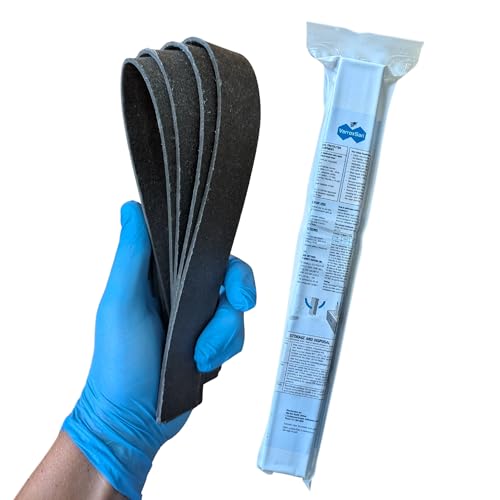
Varroxsan Oxalic Acid Strips
Vita BeeHealth · Oxalic acid extended-release strips (listed) · effective at cold temperatures · one placement, extended action per label
Our verdict: The right chemistry for the one window winter uniquely offers. With no capped brood, every mite in the colony is riding an adult bee, which turns oxalic acid from a partial treatment into a comprehensive one. Strips avoid asking you to operate a vaporizer in the cold.
Oxalic acid only reaches phoretic mites, which is a weakness for most of the year and an advantage in the broodless window, when phoretic is all there is. Varroxsan oxalic acid strips ($42.49) deliver it as an extended-release placement, which means one hive visit rather than the repeated dosing that vaporization schedules often require.
Timing is the hard part and it is local: you need to know when your colonies actually go broodless, which is club knowledge in most regions and may not happen at all in the Deep South. Follow the label exactly, including handling precautions, since oxalic acid is genuinely hazardous. Delivery-method comparison is in best oxalic acid vaporizers and the chemistry decision in oxalic acid vs formic acid.
Who should buy it
Keepers in regions with a reliable broodless period, particularly the northern half of the country, who want to clean up whatever survived the fall treatment.
What we don't like
It depends entirely on a broodless window that some regions do not reliably get, and outside that window it only touches the exposed fraction of the mite population. It is also a cleanup, not a substitute for treating in August.
- Active ingredient
- Oxalic acid (listed)
- Format
- Extended-release strips (listed)
- Temperature
- Effective in cold weather
- Best used
- During the broodless window
- Price
- $42.49
Pros
- Works at temperatures that rule out formic and thymol
- One placement instead of repeated vaporizer sessions
- Hits every mite when the colony is broodless
- No vaporizer equipment or respirator session required
Cons
- Requires a broodless window you may not get
- A cleanup, not a replacement for the fall treatment

LIKAGI Waterproof Beekeeping Log Book, 3-Pack
LIKAGI · 3 waterproof inspection log books · structured inspection fields (listed) · one per hive for real comparison
Our verdict: The cheapest thing on this page and arguably the highest return, because beekeeping decisions are comparisons and comparisons require records. A hive log turns winter planning from a memory exercise into an analysis of what actually happened.
Every winter job on this page produces information: heft trends, entrance activity, whether the fondant went down, when the cleansing flights happened. A three-pack of LIKAGI waterproof hive log books ($17.99) gives you one per hive so those observations are attached to a specific colony rather than to a vague impression of the yard.
Use it for the whole year, not just winter. The logs are what make the December ordering decisions sensible: which queen line performed, which colony ran light two years running, which one you should not have nursed. Waterproof matters because the alternative is a notebook that dissolves in a spring rain.
Who should buy it
Everyone, and particularly anyone with more than one colony, since the entire diagnostic value of a second hive is the comparison between them.
What we don't like
It only works if you use it, which is a discipline problem no product solves. Some keepers prefer a phone app, which is fine and arguably better, provided it survives cold and sticky gloves.
- Quantity
- 3 log books
- Construction
- Waterproof (listed)
- Fields
- Structured inspection entries (listed)
- Best use
- One book per colony, year-round
- Price
- $17.99
Pros
- Cheapest meaningful upgrade to your beekeeping
- One per hive makes comparisons possible
- Waterproof survives real apiary conditions
- Turns winter planning into analysis
Cons
- Useless unless you actually fill it in
- A phone app may suit some keepers better
What the colony is doing: cluster thermoregulation
When ambient temperature drops below roughly 57F, honey bees form a winter cluster. It is a remarkable piece of biology and understanding it is most of what you need for the season. The cluster has two layers with different jobs. The outer shell is a mantle of bees packed head-inward, bodies overlapping like shingles, acting as living insulation and reducing heat loss to the surrounding air. The inner core is looser, and the bees there generate heat by decoupling their flight muscles from their wings and shivering, which converts honey into warmth with impressive efficiency.
The cluster regulates temperature by changing size rather than by heating the box: colder outside means the ball contracts and the shell thickens; warmer means it expands. Core temperature is held around 90 to 95F when brood is present and can be allowed to drift substantially lower when it is not, which is why a broodless midwinter cluster burns far less honey than one already rearing brood in February. Bees rotate between the cold shell and the warm core so no individual is left to freeze on the outside. General colony biology is summarized in the Wikipedia entry on the western honey bee.
The cluster moves, and how it moves is the whole story of winter survival. It eats its way through the comb it occupies and then relocates to adjacent stores, generally moving upward first, since heat rises and the honey above is warmest and easiest to reach. Sideways movement is much harder, because it means crossing cold comb. In a prolonged deep freeze the cluster can become effectively immobilized, unable to break formation to reach honey two frames over. That is isolation starvation, and it is why a colony can be found dead in February with fifteen pounds of honey still in the box.
Three other things are true and worth knowing. There is no foraging: nothing goes into the hive from October to March except what you put there. The queen typically stops laying entirely for some weeks in most regions and then resumes with a small patch in late winter, which is a significant event because it raises the cluster's temperature requirement and its honey consumption sharply. And the bees confined in the cluster do not defecate inside the hive; they wait for a warm-enough day to take a cleansing flight, which is why a scatter of yellow specks on January snow is a good sign rather than a worrying one.
Job 1: Hands off. Do not open the hive.
This is the first job because it is the one most often violated, usually by well-meaning first-year keepers in January who simply want to know.
Cracking a hive open in cold weather does three things at once, all bad. It vents the warm air the cluster generated, which the bees must replace by burning stores. It can break the cluster's contact with the comb it is working, which in a cold snap is genuinely dangerous. And it exposes any brood present to chilling. The information you gain is almost always information you could have gotten from outside the box.
What replaces opening the hive:
- Heft. Tells you about stores, which is the only genuinely fixable winter problem.
- Listen. Ear against the box, or a gentle knock on the side. A living colony answers with a brief rise in hum that settles again. A dead one gives you nothing.
- Look at the entrance. Dead bees being carried out is housekeeping and a sign of life. A cleansing flight on a mild afternoon is the best sign there is.
- Look at the snow. Yellow specks nearby mean cleansing flights. A few dead bees on the snow is normal attrition.
The one legitimate exception is an emergency feed placement on a mild day, which is a seconds-long operation: lift the outer cover, set fondant or sugar directly above the cluster, close. Not an inspection. Not a look at the frames. Lift, place, close, walk away. If the temperature is above roughly 45 to 50F and the sun is out, this costs the colony very little; on a 20F day it costs a great deal.
Job 2: The monthly heft test
This is the entire winter monitoring program and it takes about thirty seconds per hive. Stand behind the hive, hook your fingers under the back edge of the bottom box, and lift, or try to. You are reading one thing: does it feel bolted down, or does it come up easily?
The test only works if you calibrated in the fall, which is why our fall guide tells you to heft in September when you know the hive is heavy. Without that reference, "feels light" is not a measurement. Some keepers use a luggage scale hooked under the back edge and record an actual number, which is more rigorous and worth doing if you like numbers. Either way, write it down: a hive log tells you the trajectory, and trajectory is more informative than any single reading. A three-pack of waterproof logs like the LIKAGI waterproof beekeeping log books ($17.99) survives being carried around in a coat pocket in February.
Frequency: monthly from November through January, then every two to three weeks from February, because late winter is when consumption accelerates. When the queen resumes laying, the cluster must hold brood-rearing temperature, and honey consumption can roughly double. Most winter starvation happens in late February and March, not in January, which is exactly when beginners stop paying attention because the worst of the cold is over.
A light hive in December is an emergency with time to respond. A light hive in March is an emergency with days. Either way, the response is the same and it is job 4.
Job 3: Keep the entrance clear
Small job, real consequences. Two things block a winter entrance.
Dead bees. Normal winter attrition means bees die inside and accumulate on the bottom board. In a strong colony the living bees carry them out on mild days, but in a deep cold spell or a weak colony the bodies pile up, and a reduced winter entrance can clog completely. A blocked entrance restricts the airflow the colony needs and traps moisture inside. Clear it with a stick, a piece of stiff wire, or a hive tool run gently along the bottom board through the entrance. Do it on every visit; it costs nothing and takes seconds.
Snow and ice. Drifted snow across the entrance is less dangerous than people assume, since fresh snow is porous and gas exchange continues, but a crust of ice or a hard drift after a thaw and refreeze genuinely can seal a hive. Clear those. What you should not do is shovel out the entire hive or brush snow off the boxes with any vigor, because banging on a hive in the cold agitates the cluster and costs it heat. Gentle, quick, done.
A related point: keep the hive tilted slightly forward, as set up in fall, so meltwater runs out rather than pooling on the bottom board. And check straps and lids after wind events, because a telescoping cover blown off in a January storm is a colony that will not be there in February. Entrance hardware, including the guards that should have gone on in October, is compared in robbing screens and entrance reducers.
Job 4: Emergency feed, solid only
If the heft test says light, you feed. And the single most important rule of winter feeding is: no liquid syrup in cold weather. Syrup in the cold does not get taken, ferments in the feeder, and adds moisture to a hive that is already fighting condensation. Some sources will tell you bees can take syrup down to 50F; the practical version for a keeper in January is that if you are asking the question, the answer is solid feed.
Three solid options, all placed directly above the cluster, because a cold cluster cannot travel to food:
| Option | How it works | Best for |
|---|---|---|
| Fondant | Soft sugar block laid on the top bars or under the inner cover | Fast emergency response; keep a block on the shelf |
| Candy board | A rim of hardened sugar installed as a box above the top box | Standing insurance installed in fall, also absorbs moisture |
| Mountain camp / dry sugar | Dry granulated sugar poured on newspaper above the top bars | Cheapest improvised option, needs a spacer rim |
Our preference is to have both: a BeeCastle 10-frame candy board ($37.99) installed in October as standing insurance, and a block of HIVE ALIVE bee fondant ($19.99) on the shelf for the February morning when a hive reads light. Fondant is the one you cannot improvise quickly, and February is not the month to discover a two-day shipping window. The full comparison, including bulk options and homemade candy, is in best winter bee feed.
Placement technique: pick the mildest day available, work fast, lift the outer cover, set the feed directly over where the cluster is (you can usually tell by which frames are warm or by where the bees are visible through the inner cover hole), and close. Under a minute. Do not pull frames. Do not go looking for the queen.
One caution: pollen substitute is not emergency winter feed. Protein stimulates brood rearing, and stimulating brood rearing in January raises the colony's temperature requirement and its consumption at the worst possible moment. Late-winter pollen has a role in some management systems, but it is a deliberate strategy rather than a rescue; see pollen patties and substitutes.
Job 5: Condensation control
If we could give beginners one winter fact it would be this: cold does not usually kill colonies. Wet does. Bees survive remarkable cold in a dry box. A cluster that gets rained on from its own ceiling loses its insulation, chills, and dies.
The mechanism is simple physics. Metabolizing honey produces water vapor. That vapor rises with the cluster's warm air, meets the cold underside of the inner cover or the telescoping lid, condenses into droplets, and falls back down onto the bees directly below. In a well-configured hive that water either gets absorbed, gets vented, or condenses on the walls and runs down and out. In a badly configured one, it drips on the cluster.
Four fixes, any of which works:
- Quilt box. A rim filled with wood shavings above the inner cover, with ventilation ports. The shavings absorb moisture and the ports let it escape. A BeeCastle winter quilt box ($59.99) is the pre-built version of an idea usually credited to Warre-style hive design.
- Moisture board. An absorbent board sitting above the top bars or on the inner cover.
- Upper vent. A notched inner cover turned notch-up, or a small hole drilled in the upper box, letting humid air escape. Simplest and free.
- Insulation above the cluster. A rigid foam sheet on top of the inner cover keeps the ceiling warmer than the walls, so condensation forms on the walls and runs down rather than dripping.
Note what these have in common: they address the ceiling. Wrapping the hive does not solve condensation, and a wrap that seals an upper vent can make it worse, which is the argument for doing moisture work first and wind work second. A MayBee winter hive wrap ($26.99) is genuinely useful in zones 3 to 6 on wooden equipment, as wind protection, once the moisture plan is in place. Insulated poly hives change this calculus somewhat, as discussed in poly vs wooden hives, and the full winterizing sequence is in how to winterize a beehive.
Job 6: The late-winter broodless oxalic window
This is the one genuinely offensive move available to you in winter, and in regions that offer it, it is the highest-value mite treatment of the entire year.
Here is why. Varroa reproduce inside capped brood cells, and for most of the year a large fraction of the mite population is sealed inside where contact treatments cannot reach. But in late fall through midwinter, colonies in temperate regions typically go broodless for a period. With no capped brood, every mite in the hive is riding on an adult bee, fully exposed. A treatment that only kills phoretic mites, which is a weakness for most of the year, becomes close to comprehensive.
Oxalic acid is the chemistry that fits. It works at cold temperatures where formic and thymol do not, it does not require the colony to be active, and it is well suited to a single decisive application. Delivery options are vaporization, which requires equipment and serious respiratory protection, dribble, which is simple but stressful to the colony, and extended-release strips such as Varroxsan oxalic acid strips ($42.49), which sit in the hive and release over an extended period, per the label. Strips have the advantage of requiring one visit rather than several and of not asking you to operate a vaporizer in the cold.
Timing is the whole trick, and it is the hardest part. You need the broodless window, and knowing when it happens locally is club knowledge. In much of the northern half of the country it falls between late November and January. In the South it may be brief, unreliable, or entirely absent, since brood rearing can continue nearly year-round. If your colony is not broodless, an oxalic treatment reaches only the exposed fraction and leaves the sealed majority alone, which is why the timing matters more than the product.
Follow the label exactly, including protective equipment: oxalic acid is genuinely hazardous to handle and vaporized oxalic acid requires a proper respirator. Product-by-product comparison is in best varroa mite treatments, the delivery method debate is in best oxalic acid vaporizers, and the chemistry choice is argued in oxalic acid vs formic acid. And keep the framing honest: this is a cleanup of what survived your fall program, which the fall guide covers, not a substitute for it. The Honey Bee Health Coalition materials lay out the full annual sequence.
Job 7: Order next year's bees and gear, December through February
The largest winter job happens at a desk, and its deadline is real: good local nuc producers open their lists in December and January and sell out, sometimes within weeks. A keeper shopping for bees in April is a keeper waiting a year, or buying from whoever still has stock, which is not the same thing.
Order bees first. Decide nuc or package, decide how many, and get on a list. Overwintered local nucs are the premium option in most regions and are worth the difference, especially in the North; the tradeoffs are in package bees vs nuc and sourcing is in where to buy bees. If your own colonies are alive and strong, you may be making splits instead of buying, which is a spring decision but a winter plan.
Then order equipment, because this is sale season. January is when suppliers discount and clubs run group buys. Order boxes, frames, and foundation now so you have February and March to assemble, paint, and cure. Paint needs weeks to off-gas before bees move in, and assembly reliably surfaces one missing or split part, which is a February annoyance and an April crisis. The full itemized shopping picture is in the beekeeping cost index.
Do the planning that makes those orders sensible. Read back through your hive logs: which colony was mean, which superseded, which ran light, which never built. Decide how many colonies you actually want, which is a question about your time as much as your yard. And do the paperwork: check your local ordinances and any state registration requirement, covered in beekeeping laws by state.
This is also reading season. A book cover to cover in January is worth more than a summer of forum posts, and our shortlist is in best beekeeping books. If your club runs a winter beginner course, take it, and go to the meetings, because that is where nuc pickup logistics and local flow dates get announced.
Job 8: Repair, build, and clean equipment
Winter is when the garage earns its keep. Frames get built, boxes get glued and nailed square, foundation gets seated, and everything gets painted with weeks of curing time ahead of it. Doing this in February means an April where the only variable is the weather.
Specific winter shop jobs worth listing:
- Scrape and repair. Propolis and burr comb off the box rims and frame rests so boxes separate cleanly next summer. Replace split top bars and rotted box corners now.
- Deal with deadout equipment. If you lost a colony, clean and store the boxes and protect the drawn comb, which is the most valuable thing the deadout left you. Comb from a colony that died of disease is a different question; see how to diagnose a deadout.
- Protect stored comb. Wax moths are the main risk in stored comb, and cold storage is one of the effective controls. Approaches are in the wax moths guide.
- Service the small stuff. Clean and re-fuel the smoker, sharpen and clean hive tools, wash and repair the suit, and check that the veil has no holes. Discovering a hole in your veil in May is a memorable way to learn this lesson.
- Build the extras. Nuc boxes for spring splits, swarm traps to hang in March, and the medium super our spring guide insists you own before you need it.
And keep records. Whatever you learned this year lives in your memory for about four weeks and in a log book forever. Waterproof logs like the LIKAGI hive log books ($17.99 for three) are worth having one per hive, because the point of a record is being able to compare colonies.
Reading the signs from outside the box
You are going to want to know whether they are alive. Here is how to find out without opening anything.
Listen. Put an ear flat against the side of the box, or use a stethoscope if you have one, and knock gently once. A living colony responds with a brief swell of hum that dies back down within a few seconds. Silence at first is not proof of death: a deeply clustered colony in serious cold can be very quiet, and the sound may be faint through a wrapped or insulated box. Try again on a milder day before drawing conclusions.
Watch the entrance on mild days. Anything above about 45 to 50F with sun should produce a few bees at the entrance. Bees carrying out dead bees is active housekeeping and a strong sign of health.
Look for cleansing flights. Bees do not defecate in the hive, so on the first warm afternoon of a thaw a colony will pour out for a short flight and return. Yellow specks on snow, on your car, and on the neighbor's laundry are the result. This is the single best sign in winter beekeeping.
Interpret dead bees correctly. A scattering of dead bees on the snow in front of the hive is normal attrition, which is a colony that is alive enough to be removing its dead. A large pile of bees dumped at the entrance in one event is more concerning. And no dead bees at all, for months, from a hive that is silent, is the pattern that suggests you have already lost it.
Watch for robbing in late winter. On mild days, if one hive has bees swarming around it, fighting on the landing board, and no orderly in-and-out traffic, that hive may already be dead and being robbed out by its neighbors. That is worth investigating, because a dead hive full of honey in an apiary is an attractive nuisance.
The winter shopping list, in the order you will reach for it
Two of these are for the bees, two are for the box, and two are for next year.
| Buy | Because | Price |
|---|---|---|
| HIVE ALIVE bee fondant | The February emergency you cannot order in time | $19.99 |
| BeeCastle 10-frame candy board | Standing feed above the cluster all winter | $37.99 |
| BeeCastle winter quilt box | Condensation is what actually kills them | $59.99 |
| MayBee winter hive wrap | Wind protection on wooden hives in cold zones | $26.99 |
| Varroxsan oxalic acid strips | The broodless-window mite cleanup | $42.49 |
| LIKAGI waterproof hive log books, 3-pack | Records are what make next season better | $17.99 |
What we would not buy for winter: hive heaters, which solve a problem colonies do not have and create dependency and condensation problems they do; elaborate insulated covers before you have a basic moisture plan; and a second wrap for a mild-winter region, where the money is better spent on sugar.
Winter mistakes that kill colonies
Opening the hive out of curiosity. The classic. It tells you almost nothing and costs the colony heat it budgeted for something else. Heft and listen instead.
Feeding syrup in the cold. It will not be taken, it ferments, and it adds moisture to a hive already fighting condensation. Solid feed only, placed directly above the cluster.
Assuming silence means death. A cold, deeply clustered colony can be nearly inaudible, especially through a wrap. Knock gently, listen for a brief swell, and try again on a milder day before you write it off. Every experienced keeper has a story about the hive they gave up on in January that flew in March.
Insulating without ventilating. Sealing a hive tight traps moisture, and moisture is the actual killer. Whatever you add on top, make sure water vapor has somewhere to go.
Stopping the heft checks in February. Consumption accelerates sharply once the queen resumes laying, and most winter starvation happens in late February and March. That is the month to increase your attention, not relax it.
Clearing snow aggressively. Banging and brushing agitates the cluster. Clear an ice crust from the entrance gently and leave the rest alone; porous snow is not the emergency it looks like.
Waiting until spring to order bees. The good producers are sold out by February. If you lost a colony, order the replacement the week you find out, not in April.
Blaming winter. The most consequential mistake is diagnostic. When a colony dies in January with honey in the box, the cause is usually varroa damage done in August, sometimes condensation, sometimes isolation starvation, and rarely cold as such. Diagnosing it as cold leads people to buy wraps and heaters instead of fixing the treatment timing that would actually have saved the colony. That is the whole argument of our fall guide.
Regional adjustments: South, Midwest, North
Winter is the season where "regional differences" stops being a nuance and becomes a different sport.
| South (zones 8 to 9) | Midwest / mid-Atlantic (zones 5 to 7) | North and high elevation (zones 3 to 4) | |
|---|---|---|---|
| Confinement period | Weeks, often broken by flight days | Roughly December to March | November to April, sometimes longer |
| Broodless window | Brief, unreliable, or absent | Usually late fall into January | Reliable and often extended |
| Emergency feeding | Rare; watch for early spring buildup | Check monthly, act in late winter | Common; plan for it |
| Condensation risk | Moderate, humidity-driven | High, the main killer | High, plus ice at the entrance |
| Wrapping | Not needed | Optional, exposed sites benefit | Standard practice |
South. Your winter is short and interrupted, which sounds easier and creates its own problems. Colonies that never fully shut down keep rearing brood, which means they keep consuming stores and, more importantly, that varroa never gets a break and the broodless oxalic window you read about elsewhere may not exist for you. Watch for early buildup: a colony that starts brood rearing in January can outrun its stores in February, so late-winter heft checks matter more, not less. And warm spells trigger early swarming, which means your spring guide reading should start in January. More in beekeeping in hot climates.
Midwest and mid-Atlantic. The baseline. Confinement runs roughly December to March with thaw days scattered through, which is enough to permit cleansing flights and emergency feed placement. Condensation is the main technical challenge. The broodless window is usually available in late fall or early winter, making it the best oxalic opportunity of the year. Late February is the danger point for stores.
North. Everything is more serious. A five-month confinement means the fall weight target was doing heavy lifting, the broodless window is long and reliable, and the moisture plan runs unattended for months. Emergency feeding is common rather than exceptional, and having fondant on hand before December is standard practice rather than caution. Wrapping and top insulation are normal. Overwintering surplus colonies as nucs, with less volume to heat, is a well-established northern strategy, covered in how to overwinter nucs and beekeeping in cold climates.
What winter is preparing you for
Winter ends with a report card. On the first sustained mild days you will find out whether both colonies made it, one did, or neither, and how you respond to that answer matters more than the answer.
If they are alive, the work restarts fast. A colony coming out of winter needs its first real inspection at the first 55 to 60F day, and it needs space and possibly feed within weeks, because late-winter and early-spring buildup is exponential and the swarm clock starts earlier than anyone expects. Everything about that is in the spring beekeeping guide, and the single most useful thing you can do in February is read it before you need it.
If you lost one, autopsy it before the evidence is destroyed, using how to diagnose a deadout, and salvage the drawn comb, which is worth roughly a month of colony labor to whatever colony inherits it. Then order a replacement immediately rather than in April.
If you lost both, you are in a very large club. Recent US surveys tracked by the Bee Informed Partnership have reported annual colony losses in the 40 to 50 percent range, which means losing colonies is a normal part of the practice rather than a verdict on you. The difference between people who quit and people who become beekeepers is usually the order placed that same week.
Either way, the cycle turns: spring for buildup and swarm season, summer for the flow and the harvest, and fall for the season that decides the next winter. The whole thing in month order, with everything else the year asks of you, is in the first-year beekeeping calendar.
More gear worth comparing
Beyond this guide: the highest-rated gear across every category and budget, with a live price check on each.



As an Amazon Associate we may earn from qualifying purchases, at no cost to you.
Quick shop: every pick
Skip the scroll: the whole lineup, with a live price check on each.
- HIVE ALIVE Bee Food FondantThe February EmergencyHIVE ALIVE · $19.99Check Price
- BeeCastle 10-Frame Beehive Candy BoardStanding Feed Above the ClusterBeeCastle · $37.99Check Price
- BeeCastle Assembled Winter Quilt BoxCondensation ControlBeeCastle · $59.99Check Price
- MayBee Winter Bee Hive WrapWind ProtectionMayBee · $26.99Check Price
- Varroxsan Oxalic Acid StripsThe Broodless Mite CleanupVita BeeHealth · $42.49Check Price
- LIKAGI Waterproof Beekeeping Log Book, 3-PackPlanning SeasonLIKAGI · $17.99Check Price
How we chose
We wrote this around what a cluster can and cannot do at low temperature, because nearly every winter rule follows from the physics of a self-heating ball of bees on a fixed fuel supply.
Jobs are ranked by whether they are genuinely actionable in cold weather. Tasks that only feel productive are named as such.
Cluster biology, oxalic acid timing, and loss statistics are grounded in extension, Honey Bee Health Coalition, and Bee Informed Partnership sources, linked inline.
Gear picks are limited to items a specific winter job requires, plus the two planning tools that make the following season better.
Prices come from our verified offer table and were checked at publication. Specs we cannot independently confirm are written as listed.
No brand paid for inclusion, and we say plainly which popular winter purchases we think are unnecessary.
Key terms
- Winter cluster
- The ball of bees formed below roughly 57F, with an insulating shell of tightly packed bees and a core where individuals shiver flight muscles to generate heat. It regulates temperature by contracting and expanding rather than by heating the hive cavity.
- Thermoregulation
- The colony's collective temperature control, powered by metabolizing honey. Core cluster temperature runs around 90 to 95F when brood is present and can drift substantially lower when broodless, which is why a broodless midwinter colony consumes far less honey.
- Isolation starvation
- A colony dying with honey still in the hive because the cluster could not break formation to cross cold comb and reach it. The reason stores directly above the cluster matter more than total stores, and the reason candy boards and fondant sit where they do.
- Cleansing flight
- A short warm-day flight in which bees void waste accumulated during confinement. Yellow specks on snow after a thaw are one of the best signs available in winter: the colony is alive, active, and housekeeping.
- Quilt box
- A rim of wood shavings with ventilation ports placed above the cluster to absorb and vent the water vapor the colony produces. Addresses condensation at the ceiling, which is where it forms, and works passively for months.
- Broodless window
- The period in late fall or winter when a colony has no capped brood, leaving every mite exposed on adult bees. The one moment oxalic acid approaches full effectiveness, and the reason winter offers a genuine mite management opportunity.
- Mountain camp method
- Emergency winter feeding by pouring dry granulated sugar onto newspaper above the top bars, inside a spacer rim. The cheapest solid-feed option, and it doubles as a small moisture absorber. Works, but placement above the cluster is still the requirement.
- Heft test
- Lifting the back edge of the hive with two fingers to judge remaining stores. Calibrated in September when the hive is known to be heavy, then repeated monthly. The only winter measurement that catches a fixable problem before it becomes fatal.
Questions, answered
should i open my beehive in the winter
No, except for a seconds-long emergency feed placement on a mild day. Opening a hive in cold weather vents the warm air the cluster generated, can break the cluster's contact with its comb, and chills any brood present. Almost everything you would learn by opening it can be learned from a heft test, a listen against the box, and watching the entrance.
how do i know if my bees are alive in winter
Put an ear against the side of the box and knock gently: a living colony answers with a brief swell of hum. Watch the entrance on days above about 45 to 50F for a few bees, and look for cleansing flights and yellow specks on snow after a thaw. Silence at first is not proof of death, since a deeply clustered colony in serious cold can be very quiet.
can i feed bees sugar syrup in the winter
No. In cold weather bees will not take syrup, it ferments in the feeder, and it adds moisture to a hive already fighting condensation. Use solid feed instead: fondant, a candy board, or dry sugar on newspaper, always placed directly above the cluster, since a cold cluster cannot travel across the hive to reach food.
how often should i check my hives in winter
Monthly from November through January, using a heft test rather than an inspection, then every two to three weeks from February onward. Late winter is when consumption accelerates, because the queen resumes laying and the cluster must hold brood-rearing temperature, and most winter starvation happens in late February and March rather than in the depths of January.
why do beehives die in winter with honey left
Usually varroa damage done the previous August, which produces short-lived winter bees and a colony that dwindles out by midwinter. The second common cause is isolation starvation, where the cluster could not cross cold comb to reach honey two frames over. Condensation is the third, indicated by mold and water staining. Cold as such is rarely the cause.
do i need to insulate or wrap my beehive
Wrapping is worth it in roughly zones 3 to 6 on wooden hives in exposed sites, as wind protection, but it ranks third behind adequate stores and condensation control. A heavy dry colony usually survives unwrapped; a light or wet one dies wrapped. Solve moisture at the ceiling first, then add a wrap if wind exposure is real.
how do i stop condensation in a beehive
Give the water vapor somewhere to go at the ceiling, where it condenses. A quilt box of wood shavings absorbs and vents it, a moisture board does the same more cheaply, a notched inner cover turned notch-up lets it escape, and a rigid foam sheet on top keeps the ceiling warmer than the walls so water condenses on the sides and runs down instead.
when should i treat for mites in the winter
During the broodless window, which in the northern half of the country typically falls between late November and January and may be brief or absent in the Deep South. With no capped brood, every mite is exposed on adult bees, which is the one time oxalic acid approaches full effectiveness. Ask your club when your colonies actually go broodless.
should i clear snow from the front of my hive
Clear an ice crust or a hard drift that has sealed the entrance, gently. Fresh porous snow is not the emergency it appears to be, since gas exchange continues through it. Do not brush or bang on the hive with any vigor, because agitating the cluster in the cold costs it heat. Also clear accumulated dead bees from the entrance on every visit.
when should i order bees for next spring
December through February. Good local nuc producers open their lists early and sell out, sometimes within weeks, and a keeper shopping in April is usually waiting a year. Order equipment in the same window, since January is sale season and assembly needs weeks of curing time before bees arrive in April or May.
Filed under Explainer
Keep reading
Spring Beekeeping Guide
What comes next: the first warm-day inspection, deadout reading, feeding, mite counts before supers, and swarm splits.
Fall Beekeeping Guide
The season that determined this winter's outcome: winter bees, mite timing, feeding to weight, and combining.
Summer Beekeeping Guide
The flow, the harvest, and the dearth, plus the mite monitoring that sets up the fall decision.
Your First-Year Beekeeping Calendar
Every task in this set on a month-by-month timeline, from December ordering to your first anniversary inspection.
Best Winter Bee Feed
Fondant, candy boards, dry sugar, and bulk options compared, with placement notes for cold-weather feeding.
How to Winterize a Beehive
The full buttoning-up sequence in priority order: weight, moisture, entrance, straps, and wraps.