Our Pick: HIVE ALIVE
Check PriceThe Best Pollen Patties and Substitutes (2026)
Our pick is the HIVE ALIVE pollen patty (about $25 for a listed two-pack of one-pound patties): a ready-to-feed protein patty with a listed 15 percent real USA pollen in the mix, which matters because natural pollen carries nutrients no soy-and-yeast substitute fully replicates. Laid across the top bars in late winter, patties like this tell the colony a protein flow has arrived, and the colony responds the only way it knows: brood, weeks before natural forage would have allowed it. The Mann Lake Ultra Bee patties (about $51 for a listed 10 pounds) are the volume workhorse for multi-hive yards, and the 40-pound bulk box (about $130) is the sideliner unit.
By The BeehiveKits Hive Desk2026-08-28~14 min read Fact-checked against verified Amazon listingsHow we research
Protein feeding is the most misused tool in beekeeping, so this guide leads with the when as much as the what. Patties earn their cost in two windows: late winter through early spring, when you want brood rearing running ahead of natural pollen to build foragers for the flow, and extended summer or fall dearths, when pollen droughts stall brood and shrink winter bee production. Outside those windows, patties mostly feed small hive beetles: their larvae thrive in unattended patty, which is why extension guidance such as the beekeeping resources at bee-health.extension.org and the Alabama Extension beekeeping pages at aces.edu stress feeding only what the cluster consumes in days, especially across the beetle-heavy Southeast.
The roundup covers the full protein aisle: patties with real pollen (HIVE ALIVE), the two big substitute formulas (Mann Lake's Ultra Bee and Bee-Pro), a budget single patty (Village), and dry substitute powder (Ultra Bee dry) for open feeding in warm dearths. We also detour into harvesting your own: a pollen trap turns your strongest colony into a protein supplier, and propolis collectors round out the hive-products story for keepers who want everything the colony makes.
The disclosure, as always: no manufacturer paid for placement here, and none saw the guide before publication. Some links go to Amazon; if you buy through one we may earn a small commission at no extra cost to you, and it never moves a ranking. Prices are approximate at publication; check the live listing.
What to know
- Our pick is the HIVE ALIVE pollen patty (about $25): a listed 15 percent real USA pollen, which substitutes cannot fully match.
- Mann Lake Ultra Bee is the substitute standard: 10-pound patties (about $51), 40-pound bulk (about $130), and dry powder (about $56) for open feeding.
- Protein has two seasons: late-winter buildup ahead of the flow, and long pollen dearths that stall brood. Outside them, skip it.
- The small hive beetle rule decides patty size: feed only what bees eat in a few days, per extension guidance, or you are farming beetle larvae.
- Real pollen beats substitute, and substitute beats starvation: blends with actual pollen rank first where budgets allow.
- A pollen trap (about $23) turns a strong hive into your protein supply: trapped, frozen local pollen is the gold standard feed.
At a glance
| Feed | Format | Listed protein source | Best for | Approx. price | Check price |
|---|---|---|---|---|---|
| HIVE ALIVE Pollen Patty | Patties, 2 x 1 lb (listed) | 15% real USA pollen blend | Our Pick: real-pollen boost | ~$25 | Check Price |
| Ultra Bee Patties, 10 lb | Patties, 10 lb (listed) | Ultra Bee substitute | Multi-hive workhorse | ~$51 | Check Price |
| Bee-Pro Patties | Patties (listed) | Bee-Pro substitute | The alternate formula | ~$45 | Check Price |
| Village Pollen Patty | Single patty (listed) | High-protein formula | Budget single-hive trial | ~$14 | Check Price |
| Ultra Bee Dry Feed | Dry powder (listed) | Ultra Bee substitute | Open feeding in warm dearth | ~$56 | Check Price |
| Ultra Bee Patties, 40 lb | Patties, 40 lb (listed) | Ultra Bee substitute | Sideliner bulk value | ~$130 | Check Price |
The 2026 protein feed shortlist at a glance. Protein sources and weights are the manufacturers' listed figures; prices are approximate at publication, verified against our offer table in August 2026.

HIVE ALIVE Pollen Patty, 2 x 1 lb
HIVE ALIVE · 2 x 1 lb patties (listed) · 15% real USA pollen (listed) · portioned for feed-in-days sizing
Our verdict: The HIVE ALIVE patty wins on two decisions the category mostly gets wrong: it includes a listed 15 percent real USA pollen rather than pure substitute, and it ships as one-pound portions that match how patties should actually be fed, small amounts, replaced often. Colonies take it eagerly, which is the whole game; protein a colony ignores is beetle bait. For one-to-four-hive yards running a late-winter buildup, this is the patty we would lay on our own top bars.
Brood food starts as pollen, and substitutes are still imitating it. Nurse bees convert protein into the glandular secretions that feed larvae, and while soy-yeast substitutes carry impressive crude protein numbers, natural pollen brings the fuller amino acid spread and micronutrients the substitutes chase. The HIVE ALIVE pollen patty splits the difference commercially: a listed 15 percent real USA pollen blended into a ready-to-feed patty, so the colony gets genuine pollen nutrition with the convenience and safety of an irradiated commercial product rather than the disease roulette of raw pollen from unknown hives.
Timing does the rest. Start roughly six to eight weeks before your region's first strong flow, which in much of the US means late winter, and the patties amplify the brood buildup that turns into a foraging army exactly when nectar arrives; our first-year calendar pins the month for your first season. Placement is top bars, directly over the cluster, paper on if it comes papered, and pair protein with adequate carbohydrate because brood rearing burns both; the winter feed guide covers the sugar half. At about $25 for two pounds it is the premium patty per pound, and for small yards buying real pollen content, the premium is the point.
Who should buy it
Buy the HIVE ALIVE patties if you run one to four hives and want the closest thing to natural pollen in a safe commercial patty, portioned the way beetle-aware feeding demands. It is the quality pick for late-winter buildup on backyard scale.
What we don't like
Per pound it is the most expensive patty in the guide, which multi-hive math punishes. Two pounds is a buildup program for one or two colonies, not a yard. And the 15 percent pollen figure is listed, not something we can assay; the other 85 percent is still substitute matrix.
- Format
- Ready-to-feed patties
- Listed size
- 2 x 1 lb
- Protein source
- 15% real USA pollen blend (listed)
- Placement
- Top bars, over the cluster
- Approx. price
- ~$25
Pros
- Real pollen content, safely commercial
- One-pound portions match the beetle rule
- Strong palatability and consumption
- Right-sized for backyard buildup programs
Cons
- Highest per-pound price here
- Too little volume for big yards
- Pollen percentage is listed, not verified

Mann Lake Ultra Bee Patties, 10 lb
Mann Lake · 10 lb patties (listed) · Ultra Bee pollen substitute formula · the commercial standard
Our verdict: Ultra Bee is the pollen substitute that commercial operations standardized on, and this listed 10-pound box is the backyard-scale unit of it. The formula's reputation rests on consumption: colonies eat it, season after season, which no protein percentage on a label can substitute for. For yards of three to eight hives running spring buildup or dearth support, this is the default protein purchase, at a per-pound price the premium patties cannot approach.
When thousands of commercial colonies eat the same formula every February, the field trial has been run for you. Mann Lake's Ultra Bee is that formula: a soy-free, listed high-protein substitute developed for the almond-pollination buildup industry, where colonies must hit grading strength on a date certain and protein feeding is not optional. The Ultra Bee 10-pound box brings that program to the backyard: pre-made patties, ready to portion across a yard, from the supplier whose feed line the industry treats as the reference point.
Store the box sealed and cool, freeze what the season will not use, and thaw patties as needed; substitute keeps well frozen and poorly on a warm shelf. The honest comparison up-column: the HIVE ALIVE brings real pollen at triple the per-pound cost, and Ultra Bee brings proven consumption at scale pricing. Many of our yards run both, HIVE ALIVE on the breeder-quality colonies, Ultra Bee across the production hives, and that split is defensible at any hive count. When the yard grows past this box's season, the 40-pound bulk box below takes over the math.
Who should buy it
Buy the Ultra Bee 10-pound box as the default protein for yards of roughly three to eight hives: proven formula, honest scale pricing, and enough volume for a full spring buildup program with dearth reserve left over.
What we don't like
No real pollen in the formula, which is the trade the price reflects. Ten pounds demands storage discipline: seal it, freeze the surplus, or lose it to drying and pests. And the box format tempts overfeeding; the beetle rule requires you to portion, every time.
- Format
- Pre-made substitute patties
- Listed size
- 10 lb
- Formula
- Ultra Bee, soy-free (listed)
- Storage
- Sealed and cool; freeze surplus
- Approx. price
- ~$51
Pros
- The industry-standard substitute formula
- Strong consumption record across seasons
- Real scale pricing per pound
- One box runs a small yard's whole spring
Cons
- No natural pollen content
- Needs sealed, cool, or frozen storage
- Bulk format demands portioning discipline
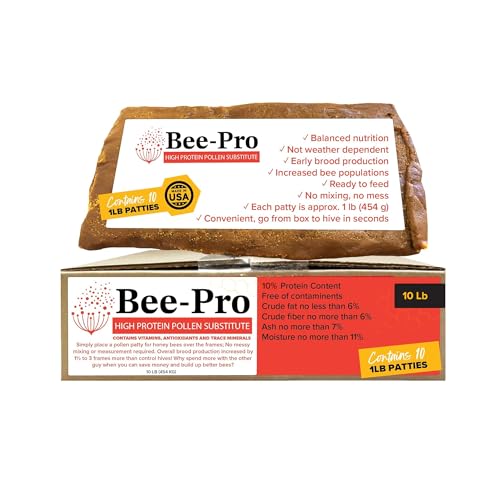
Mann Lake Bee-Pro Patties
Mann Lake · Bee-Pro pollen substitute patties (listed) · Mann Lake's classic formula · high-protein nutrition
Our verdict: Bee-Pro is Mann Lake's longer-serving protein line, a listed soy-based high-protein formula that predates Ultra Bee and still holds loyalists for one empirical reason: some yards' colonies consume it better. Palatability is local and slightly mysterious, so the alternate formula earns a slot. If your bees walk away from one patty brand, the correct response is not more of it; it is this box.
Bees vote with their mandibles, and their ballots differ by yard. Any beekeeper who has fed protein across several seasons has seen it: a patty formula that vanished in one apiary sits untouched in another, humidity, genetics, and available forage all muddying the picture. The Bee-Pro patties are the established second opinion: Mann Lake's classic listed soy-based formula, run for decades across commercial and backyard operations, and the natural A/B partner to Ultra Bee from the same supplier's line.
The feeding rules do not change with the formula: over the cluster, portioned to a few days' consumption, beetle-aware in the South, always paired with adequate carbohydrate because brood rearing spends both accounts at once. Bee-Pro's per-pound cost typically sits near Ultra Bee's, so the choice is palatability rather than price. Storage likewise: sealed, cool, freeze the surplus. Whichever formula wins your yard's test, the buildup it drives needs somewhere to go, and that is the spring management story, splits, swarm control, and supering, that our calendar guide and honey production explainer carry forward from here.
Who should buy it
Buy Bee-Pro if your colonies consume it better than Ultra Bee in a side-by-side test, or as the alternate to break a yard's patty refusal. It is the second formula every serious protein program should have tried once.
What we don't like
Soy-based formula rather than real pollen, with all the substitute caveats. It largely duplicates Ultra Bee's role, so owning both only pays if you actually run the comparison. Listed weight and format should be confirmed on the live listing before planning yard-scale feeding around it.
- Format
- Pre-made substitute patties
- Formula
- Bee-Pro, soy-based (listed)
- Role
- Alternate to Ultra Bee
- Storage
- Sealed and cool; freeze surplus
- Approx. price
- ~$45
Pros
- Decades-proven alternate formula
- Wins the consumption test in some yards
- Same trusted supplier and feed line
- Comparable scale pricing
Cons
- No real pollen content
- Redundant unless you run the A/B test
- Confirm listed weight before yard-scale plans
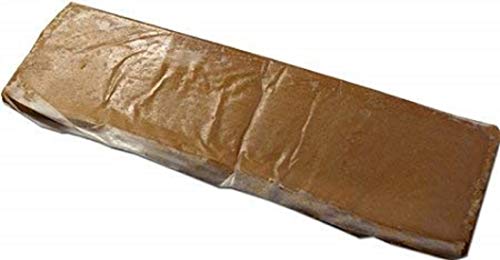
Village Gift Importers Pollen Patty
Village Gift Importers · High-protein formula patty (listed) · single-pack entry price · trial-scale protein
Our verdict: The Village patty is the toe-in-the-water purchase: a listed high-protein patty at about $14, for the beekeeper with one or two hives who wants to run a late-winter protein experiment before committing to ten-pound boxes. It will not outfeed the Mann Lake lines per pound, and it does not need to; its job is answering whether your colony responds to protein at all, for the price of a hive tool.
Every feeding program should start smaller than the catalog suggests. Protein feeding pays off dramatically in the right colony and window, and does nothing but feed beetles in the wrong ones, so the rational first purchase is small. The Village pollen patty is that purchase: one listed high-protein patty, laid over the cluster in late winter, checked at five days. Brood expansion and a devoured patty mean your yard rewards protein and the bigger boxes above are justified; an ignored patty means your bees had pollen access you underestimated, and you just saved fifty dollars of bulk substitute.
The per-pound math is honest: trial pricing costs more per pound than the Mann Lake boxes, and a multi-hive yard should graduate quickly once the experiment reads positive. But the sequencing is right, and it mirrors how we advise every feeding decision on this site: smallest intervention first, colony response second, scale third. Beginners building their first-spring shopping list can slot this next to the syrup gear from our bee feeders guide and cover both halves of nutrition for under fifty dollars.
Who should buy it
Buy the Village patty if you run one or two hives and want to test protein response before buying by the box. It is the right first protein purchase for beginners and the cheap dearth backup for small yards.
What we don't like
Per pound it is trial-priced, and a serious multi-hive program outgrows it immediately. The formula details are listed with less published depth than the Mann Lake lines. And a single patty is one experiment, not a season.
- Format
- Single high-protein patty
- Formula
- High-protein blend (listed)
- Role
- Trial and small-yard backup
- Portioning
- Halve for small colonies
- Approx. price
- ~$14
Pros
- Lowest entry price to protein feeding
- Right-sized for a one-colony experiment
- Teaches response-based feeding cheaply
- Useful dearth backup in the cupboard
Cons
- Trial-scale per-pound pricing
- Less published formula depth
- One patty does not run a season

Mann Lake Ultra Bee Dry Feed
Mann Lake · Ultra Bee substitute, dry powder (listed) · open-feeder and custom-patty use · high-protein formula
Our verdict: Ultra Bee dry is the flexible form of the workhorse formula: loose powder bees collect like pollen from an open feeder in warm weather, or the base for mixing your own patties at whatever size and stiffness your program wants. Open dry feeding sidesteps the in-hive beetle problem entirely, since nothing sits inside the hive, and it lets bees self-select. For warm-climate dearths and DIY mixers, this is the smarter Ultra Bee.
Dry feeding is protein on the bees' terms. Set the Ultra Bee dry powder in a sheltered open feeder, a bucket on its side, a covered tray, anything that keeps rain off, some distance from the hives, and foragers work it exactly as they work a pollen source: landing, packing their corbiculae, and hauling it home to store as bee bread. Bees that want protein come; bees with adequate natural pollen ignore it; no colony gets a slab of patty parked over its brood nest to defend from beetles. In warm-dearth country, that self-service model is the tidiest protein delivery there is.
The second identity is the mixing base: powder plus sugar syrup makes patties to your own spec, stiffer for slow consumption, softer for fast, sized to your yard's beetle pressure, at bulk-powder economics. Storage is the easiest in the guide, a sealed bucket keeps the powder for a long time, and one purchase covers both summer open feeding and winter patty mixing. It rounds out the protein toolkit the same way a good top feeder rounds out sugar; our decision framework above maps which colonies get which format, and the mite monitoring guide covers the other check that belongs in the same dearth visits.
Who should buy it
Buy Ultra Bee dry if you keep bees where warm dearths are the protein gap, or want to mix your own patties at bulk economics. It is the flexible half of a complete protein program.
What we don't like
Open feeding is untargeted: the neighborhood eats with you, and your weakest colony may not get its share. It is useless for cold-weather cluster feeding, and DIY patty mixing is a mess-tolerant hobby. Verify the listed weight on the live listing against your yard's appetite.
- Format
- Dry substitute powder
- Formula
- Ultra Bee, soy-free (listed)
- Uses
- Open feeding, custom patty mixing
- Season
- Warm-weather flight periods
- Approx. price
- ~$56
Pros
- Open feeding keeps patty out of beetle reach
- Bees self-select their protein need
- Doubles as a DIY patty base
- Simplest, longest storage in the guide
Cons
- Feeds the whole neighborhood, not one colony
- No cold-weather role
- Mixing patties is genuinely messy

Mann Lake Ultra Bee Patties, 40 lb
Mann Lake · 40 lb patties (listed) · Ultra Bee substitute formula · sideliner-scale supply
Our verdict: The 40-pound Ultra Bee box is the same proven formula at the price the protein program deserves once hive count climbs: about $130 for a listed forty pounds lands near $3.25 a pound, versus five-plus in the 10-pound box and twelve-plus in premium patties. A ten-hive yard running six weeks of spring buildup consumes this box on schedule. For sideliners, this is not the bulk option; it is the only rational one.
Protein programs scale linearly, and only bulk pricing keeps the math friendly. A colony in full spring buildup can work through a pound of patty a week, so ten colonies across a six-week pre-flow window is sixty pounds of demand, and suddenly the 40-pound Ultra Bee box reads as one season's supply rather than an excess. Same formula as the 10-pound workhorse, same consumption record, at the per-pound number that makes feeding every production colony, rather than rationing the favorites, the default plan.
The beetle rule needs restating at exactly this scale, because bulk supply is how overfeeding happens: portion per colony stays at what bees clear in days, no matter how much box remains. In beetle country, bulk buyers should also run beetle traps as standard equipment alongside any patty program, and cold-climate keepers get their usual late-winter slack. Fall deserves a mention too: colonies raising winter bees through a pollen-poor autumn benefit from protein as much as spring builders, per the winter bee physiology covered at bee-health.extension.org, and this box is what makes a two-season program affordable. The companion fall checklist, mites, weight, wraps, lives in our winterizing guide.
Who should buy it
Buy the 40-pound box once your yard passes roughly six colonies or your program runs both spring and fall protein. It is the sideliner unit, priced for feeding everything rather than triaging.
What we don't like
It is a freezer commitment and a $130 check, oversized for small yards that would carry stale stock into next year. All substitute caveats hold: no real pollen, portioning discipline required, beetle awareness mandatory in the South.
- Format
- Pre-made substitute patties
- Listed size
- 40 lb
- Formula
- Ultra Bee, soy-free (listed)
- Storage
- Portion and freeze on arrival
- Approx. price
- ~$130
Pros
- Best per-pound protein in the guide
- One box runs a ten-hive spring
- Same proven formula as the smaller boxes
- Makes two-season programs affordable
Cons
- Requires real freezer space
- Oversized below roughly six colonies
- Bulk supply tempts overfeeding; portion anyway
More gear worth comparing
Beyond this guide: the highest-rated gear across every category and budget, with a live price check on each.



As an Amazon Associate we may earn from qualifying purchases, at no cost to you.
Quick shop: every pick
Skip the scroll: the whole lineup, with a live price check on each.
- HIVE ALIVE Pollen Patty, 2 x 1 lbBest OverallHIVE ALIVE · ~$25Check Price
- Mann Lake Ultra Bee Patties, 10 lbBest Substitute WorkhorseMann Lake · ~$51Check Price
- Mann Lake Bee-Pro PattiesBest Alternate FormulaMann Lake · ~$45Check Price
- Village Gift Importers Pollen PattyBest Budget TrialVillage Gift Importers · ~$14Check Price
- Mann Lake Ultra Bee Dry FeedBest Dry FeedMann Lake · ~$56Check Price
- Mann Lake Ultra Bee Patties, 40 lbBest Bulk ValueMann Lake · ~$130Check Price
How we chose
We judge protein feed on the brood chamber's terms: does the colony actually consume it and convert it to brood, or does it sit drying on the top bars feeding beetles. Palatability and consumption rate outrank label protein percentages.
Real pollen content earns rank: substitutes keep colonies alive and building, but blends that include actual pollen come closer to the full amino acid and micronutrient profile brood food demands.
Small hive beetle exposure is a scoring factor: formats that portion easily into feed-in-days amounts beat bulk slabs that tempt beekeepers into overfeeding, and our sizing guidance is baked into every review.
Listed weights, protein sources, and percentages are treated as listed, not verified: we do not assay patties, and label claims are reported as the maker states them.
Prices come from our verified offer table; no brand bought a placement, and the cheapest patty a colony refuses to eat is the most expensive one in the yard.
Key terms
- Pollen patty
- A soft slab of protein feed, real pollen, substitute, or a blend, laid over the top bars where the cluster consumes it. The tool for driving brood rearing when natural pollen is short.
- Pollen substitute
- Protein feed built from soy, yeast, and refined proteins rather than pollen. Keeps colonies building through pollen gaps; ranked below real pollen and pollen blends in performance.
- Bee bread
- Pollen packed into cells and fermented by the colony, the stored form protein takes inside a hive. What foragers make from trapped-out dry substitute or natural pollen alike.
- Small hive beetle
- A hive pest whose larvae thrive in unattended pollen patty, fouling comb and stores. The reason patties are fed in amounts consumed within days, especially across the southern US.
- Winter bees
- The long-lived, fat-rich bees a colony raises in fall to survive winter. Producing them well requires fall protein, which is why pollen-poor autumns justify a second patty season.
- Pollen trap
- An entrance-mounted device that brushes a share of pollen loads from returning foragers into a drawer. Run briefly on strong colonies during flows, it yields the disease-safe real pollen for your own feeding.
- Open feeding
- Offering feed (dry substitute here) away from the hives for foragers to collect freely. Sidesteps in-hive beetle risk and colony-by-colony targeting alike; a warm-weather, whole-neighborhood method.
- Propolis
- The resin-based sealant bees coat hive interiors with, harvestable via slotted collector mats and prized for tinctures and salves. The hive product beekeepers forget they are producing.
Questions, answered
When should I put pollen patties on my hive?
Two windows: late winter, roughly six to eight weeks before your first strong nectar flow, to build the forager population ahead of it, and during extended pollen dearths that stall brood rearing, including pollen-poor falls when colonies are raising winter bees. Outside those windows, with natural pollen coming in, patties are unnecessary.
Do pollen patties attract small hive beetles?
Unattended patty is prime beetle breeding material: adults lay in it and larvae ruin surrounding comb. The rule from extension guidance is to feed only what the cluster consumes within a few days, placed directly over the bees, and to remove anything sitting untouched. In the beetle-heavy Southeast, err small and check often; beetle traps alongside any patty program are cheap insurance.
Is real pollen better than pollen substitute?
Yes: natural pollen carries the complete amino acid, lipid, and micronutrient package brood food demands, and substitutes approximate it. The practical ranking is real pollen first (trapped from your own healthy hives), blends with real pollen second, pure substitutes third. Substitutes still clearly beat nothing during a genuine pollen gap.
How much pollen patty should I give a hive?
Half a pound to a pound at a time for most colonies, laid directly over the cluster, then resupplied as it is eaten. Consumption is your gauge: a patty gone in under a week invites another; a patty sitting stale says stop. The days-not-weeks sizing is also your small hive beetle defense.
Can you feed bees pollen patties in winter?
In late winter, yes, that is the classic buildup play, timed so the brood it triggers matures into foragers for the first flow. In early and mid winter, protein is usually counterproductive: it can stimulate brood the cluster then struggles to keep warm and fed. Sugar covers deep winter; protein starts when your region approaches spring.
What is the difference between Ultra Bee and Bee-Pro?
Both are Mann Lake pollen substitutes: Ultra Bee is the newer soy-free formula that became the commercial standard, Bee-Pro the longer-running soy-based classic. Yards genuinely differ on which their bees consume faster, so the definitive answer is a side-by-side half-pound test in your own hives, then buying whichever patty disappears.
Can I make my own pollen patties?
Yes: mix dry substitute powder such as Ultra Bee dry with sugar syrup to a stiff dough, press between wax paper sheets, and size the patties to your colonies and beetle pressure. DIY mixing rides bulk-powder economics and lets you blend in your own trapped pollen, at the cost of a genuinely messy afternoon.
Why are my bees not eating the pollen patty?
Usually because they do not need it: natural pollen is coming in, or the colony has no expanding brood to feed, or the patty sits too far from the cluster to be found in cool weather. Occasionally it is formula palatability, which the two-brand test resolves. Remove ignored patty within a week; in beetle country it is a liability, not a reserve.
Is dry pollen substitute or patties better?
Different tools: patties target specific colonies, work in cool weather over the cluster, and drive the late-winter buildup; dry powder in an open feeder works only in flight weather, feeds the whole neighborhood, and keeps protein out of beetle reach inside hives. Many programs run patties in late winter and dry feed through warm dearths.
Does feeding pollen patties increase honey production?
Indirectly and genuinely: honey crops are made by forager headcount at flow time, and foragers at flow time are brood six weeks earlier. Well-timed protein grows that brood curve when natural pollen would have limited it. Mistimed protein, after the flow or during good forage, grows nothing but consumption, which is why the six-to-eight-week lead is the number to plan around.
Filed under Buyer's Guide
Part of Hive Health
Keep reading
The Best Winter Bee Feed (2026)
The carbohydrate half of off-season feeding: candy boards and fondant for the same cold months.
The Best Bee Feeders (2026)
Syrup hardware and ratios: the sugar program every protein program runs alongside.
First-Year Beekeeping Calendar
When the six-to-eight-week buildup clock starts in your region, month by month.
How to Winterize a Beehive
Fall protein for winter bees, in sequence with mites, weight, wraps, and mouse guards.
The Best Varroa Mite Treatments (2026)
No patty fixes a mite-sick colony: the treatment program that comes before protein.
How to Do a Hive Inspection
Reading brood patterns and stores: the checks that tell you whether protein is working.