Our Pick: Mann Lake
Check PriceThe Best Mite Monitoring Tools (2026)
Our pick is the Mann Lake Varroa EasyCheck at $30.50: the two-chamber wash tester that has become the standard way American beekeepers turn a sample of bees into a mite count in ninety seconds. The Foxhound Easy Check at $26.99 delivers the same design logic for a few dollars less, and the Vita Varroa Mite Tester at $25.99 is the leakproof budget jar that proves the method matters more than the hardware. All three do the same essential job: they tell you the truth.
By The BeehiveKits Hive Desk2026-08-2814 min read Fact-checked against verified Amazon listingsHow we research
The truth matters because varroa is not a maybe. Varroa destructor is a parasitic mite that feeds on bees and transmits the viruses that actually finish colonies off, and essentially every colony in North America has some, the only question is how many. Counts climb invisibly through summer as mites multiply in capped brood, then crash colonies in fall right when winter bees are being raised. With national surveys from the Bee Informed Partnership putting recent annual US colony losses around 40 to 50 percent, and varroa the leading named driver, monitoring is not an advanced technique; it is the difference between beekeeping and bee-having.
The good news is that the entire discipline costs under $31 and ten minutes a month. A half cup of bees, roughly 300, washed in alcohol, gives you mites per 100 bees; extension programs and the Honey Bee Health Coalition put the action threshold at roughly 2 to 3 mites per 100, and when your number crosses it, you treat. To make this guide one-stop, we include the two treatments we would reach for first: VarroxSan oxalic strips at $42.49 for a wide, honey-super-friendly window, and Formic Pro at $30.00 for brood-penetrating knockdown inside its temperature label window.
No brand paid for placement here and none saw the guide before publication. Links go to Amazon; a purchase through one may earn us a commission at no cost to you, and it never moves a ranking. Prices are verified listing prices from late August 2026, check the live page before buying.
What to know
- Our pick is the Mann Lake Varroa EasyCheck ($30.50): the standard two-chamber alcohol-wash tester, accurate, fast, and repeatable.
- The action threshold is roughly 2 to 3 mites per 100 bees, per extension programs and the Honey Bee Health Coalition: at or above it, treat; below it, keep counting.
- Alcohol wash is the accuracy standard; sugar roll spares the sample bees at some accuracy cost; sticky boards trend but do not decide.
- Count monthly from June through October, the season when mite loads climb toward the fall peak that kills winter bees.
- Counting accurately means a level half cup (about 300 bees) from a brood-nest frame, queen confirmed elsewhere, and dividing mites found by 3.
- When counts cross the line: VarroxSan oxalic strips ($42.49) for a long, flexible window, or Formic Pro ($30.00) for fast knockdown that reaches under cappings, within its 50 to 85 F label window.
At a glance
| Tool | Role | Method | Price | Check price |
|---|---|---|---|---|
| Mann Lake Varroa EasyCheck | Our Pick, wash tester | Alcohol wash or sugar roll | $30.50 | Check Price |
| Foxhound Varroa Easy Check | Best Value Tester | Alcohol wash or sugar roll | $26.99 | Check Price |
| Vita Varroa Mite Tester | Best Budget Jar | Alcohol wash | $25.99 | Check Price |
| VarroxSan Oxalic Acid Strips | Treatment: wide window | Extended-release oxalic strips | $42.49 | Check Price |
| Formic Pro, 2-Dose | Treatment: fast knockdown | Formic acid strips, 50 to 85 F label window | $30.00 | Check Price |
The 2026 monitoring bench at a glance, plus the treatments counts trigger. Specs as listed by manufacturers; prices verified against live listings in August 2026.

Mann Lake Varroa EasyCheck
Mann Lake · Varroa wash tester · two-chamber basket design · alcohol wash or sugar roll
Our verdict: The Mann Lake Varroa EasyCheck is the monitoring standard for a reason: a white outer cup, a perforated inner basket, and marked fill lines turn the alcohol wash from a jar-and-guesswork ritual into a repeatable measurement. At $30.50 it is the single most cost-effective purchase in colony survival, and the tool this entire guide is built around.
Buy the tool that makes the habit easy, because the habit is the product. The Mann Lake Varroa EasyCheck is a purpose-built wash vessel: bees go in the perforated inner basket, alcohol or windshield-washer fluid goes to the fill line, sixty seconds of firm swirling dislodges the mites through the basket into the white outer chamber, and you count dark dots against a white floor. No improvising with mason jars and screen, no wondering whether your shake was hard enough: the geometry standardizes the wash, and standardization is what makes month-over-month numbers comparable, which is the entire point of monitoring.
The alcohol wash kills the 300-bee sample, and you should make peace with that arithmetic: a summer colony runs tens of thousands of bees and raises over a thousand a day, so the sample is statistically a rounding error, while the unmeasured mite load it reveals is what actually kills colonies, as the biology under Varroa destructor makes grim and clear. The EasyCheck also runs sugar-roll style for beekeepers who prefer sparing the sample, with the accuracy caveat we cover in the method break below. Either way, the workflow slots into any routine inspection: pull a brood frame, confirm the queen is not on it, scoop, wash, count, log.
Who should buy it
Buy the EasyCheck if you keep bees, full stop: it is the tool this site would hand every new beekeeper on day one, alongside the smoker. Multi-colony apiaries should keep it in the inspection tote permanently and wash every colony on the same cadence, because per-colony counts diverge wildly.
What we don't like
The alcohol wash sacrifices the sample, which some beekeepers never stop hating, and results still depend on scooping a true half cup from the right frame. It is also the priciest of the three testers, by all of $4.51, for polish rather than capability.
- Method
- Alcohol wash or sugar roll
- Design
- Two-chamber, perforated basket, fill lines
- Sample size
- Half cup, about 300 bees
- Time per test
- Under 5 minutes
- Price
- $30.50
Pros
- The standardized wash: repeatable month over month
- White chamber makes mites unmissable
- Runs alcohol wash or sugar roll
- Fast enough to actually do monthly
Cons
- Alcohol wash kills the sample
- Accuracy still rides on sampling technique
- Costs a few dollars more than rivals

Foxhound Bee Company Varroa Easy Check Mite Tester
Foxhound Bee Co · Varroa wash tester · basket-and-chamber design · alcohol wash or sugar roll
Our verdict: The Foxhound Varroa Easy Check runs the same play as our top pick, perforated basket, wash chamber, swirl and count, for $26.99 from a beekeeper-run supplier whose gear we already trust in the smoker aisle. If the Mann Lake is out of stock or the budget is counting single dollars, buy this and lose nothing that matters.
Category-standard designs make for easy value picks. The Foxhound Varroa Easy Check is the basket-wash tester executed straight: sample bees into the basket, alcohol to the line, agitate, and count mites against the chamber floor, the identical workflow and the identical math as the Mann Lake above. Foxhound is the small American outfit whose pro smoker earned a top slot in our smoker guide, and the house pattern holds here: sturdy execution of proven designs, sold by people who use them.
Choosing between this and the Mann Lake is genuinely a coin flip weighted by $4.51 and stock status; we give the flagship the nod on chamber visibility and the strength of the standard, and we would not argue with anyone who flipped the coin the other way. The important decision is owning either one before June, when the counting season starts in earnest.
Who should buy it
Buy the Foxhound if it is in stock at the better price, if you like routing dollars to beekeeper-run suppliers, or if you are outfitting multiple inspection kits and the per-unit savings add up. It produces the same number the flagship does.
What we don't like
Nothing method-level: the same sample-sacrifice and technique dependence as every wash tester. Brand reach is smaller than Mann Lake's, which occasionally shows in availability.
- Method
- Alcohol wash or sugar roll
- Design
- Basket and wash chamber
- Sample size
- Half cup, about 300 bees
- Price
- $26.99
Pros
- Standard wash workflow at the value price
- Beekeeper-run brand with a good gear track record
- Identical math and cadence to the flagship
Cons
- Same wash-method tradeoffs as every tester
- Occasional availability gaps
- No meaningful feature edge over the Mann Lake

Vita BeeHealth Varroa Mite Tester, Leakproof Jar
Vita BeeHealth · Varroa wash jar · leakproof, listed · from the Apiguard and VarroxSan maker
Our verdict: The Vita Varroa Mite Tester is the wash method in its plainest trustworthy container: a leakproof jar system, listed, from Vita BeeHealth, the company behind Apiguard and the VarroxSan strips later in this guide. At $25.99 it is the cheapest purpose-built path to a real mite count, and a pleasing bit of coherence: the monitoring jar and the treatment it triggers, from the same bee-health house.
The method is the magic; the jar just has to not leak. The Vita Varroa Mite Tester understands its job: hold a half cup of bees and enough alcohol to wash them, seal tight while you shake, listed leakproof, and let you count what falls out. It comes from Vita BeeHealth, a company whose entire catalog is colony health, which shows in the details a generic jar misses: a seal that survives vigorous agitation, and geometry sized to the standard 300-bee sample the thresholds assume.
Against the basket-style testers above, the honest difference is workflow polish: two-chamber designs separate bees from mites a little more cleanly and count a little faster, while a jar wash asks marginally more care in the pour and the squint. The number at the end is the same, and so is what you do with it: below roughly 2 to 3 per 100, log it and re-test next month; at or above, open our treatment guide and pick your chemistry, quite possibly Vita's own strips two cards down.
Who should buy it
Buy the Vita tester if price is the barrier between you and monthly monitoring: it removes the barrier at $25.99. It also suits beekeepers already running Vita treatments who like their health stack from one maker.
What we don't like
The jar workflow is a step less refined than the two-chamber designs, counting takes marginally longer, and the same wash-method realities apply: the sample dies, and technique drives accuracy.
- Method
- Alcohol wash
- Design
- Leakproof jar system (listed)
- Sample size
- Half cup, about 300 bees
- Maker
- Vita BeeHealth
- Price
- $25.99
Pros
- Cheapest purpose-built wash tester
- Leakproof seal built for real agitation, listed
- From a dedicated bee-health company
Cons
- Less refined counting workflow than basket designs
- Same wash tradeoffs as every method
- Modest saving over the standard
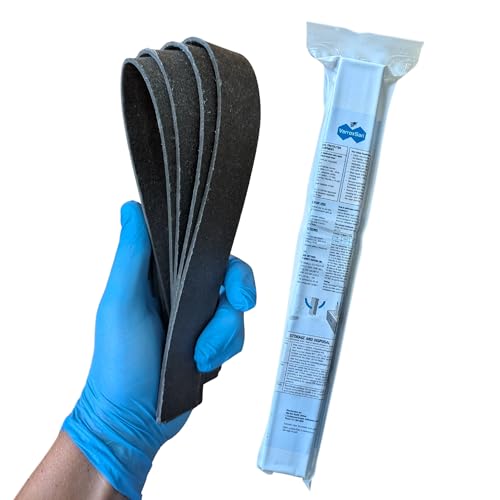
VarroxSan Oxalic Acid Strips
Vita BeeHealth · Oxalic acid extended-release strips · registered varroa treatment · flexible-window use per label
Our verdict: VarroxSan is the treatment we reach for when counts cross the threshold and conditions are ordinary: oxalic acid in extended-release strip form, hung between frames to work over weeks, with a label notably tolerant on temperature and timing compared to the formic options. At $42.49 it turns a bad count into a plan without waiting for a weather window.
A threshold crossed demands chemistry, and this is the low-drama chemistry. When your wash comes back at 3 per 100, the VarroxSan Oxalic Acid Strips answer without logistics: cellulose strips loaded with oxalic acid hang between brood frames and release over weeks, catching mites as bees contact the strips through successive brood cycles. That extended contact is the design's answer to oxalic acid's classic limitation, that it cannot reach mites sealed under cappings: run long enough, the strips are present as each round of brood emerges, working across the cycle instead of in one broodless flash the way vaporization does.
Oxalic acid is the same active our vaporizer guide covers in flash form, and the strips-versus-vapor choice is mostly labor and brood status: vapor excels on broodless colonies, caught swarms, and winter breaks, while strips carry treatment through brood-right summer colonies without repeated visits. Follow with washes: a count two to three weeks into treatment, and another after removal, is how you verify the chemistry worked instead of assuming it, the loop our timing guide drills.
Who should buy it
Reach for VarroxSan when a summer or early-fall count crosses threshold and you want treatment running this week regardless of forecast: it is the flexible default for brood-right colonies, and the strip format suits beekeepers who prefer hanging a treatment once over repeat vaporizer visits.
What we don't like
Weeks-long treatment demands patience and follow-up washes to confirm it worked, and per-colony cost lands higher than DIY vaporization for multi-hive yards. As with every treatment: the label governs, and skipping it is how resistance and residue stories start.
- Active
- Oxalic acid
- Format
- Extended-release strips
- Placement
- Hung between brood frames, per label
- Duration
- Multi-week, per label
- Price
- $42.49
Pros
- Season-flexible label, treatment starts when counts demand
- Extended release works across brood cycles
- One placement, no repeat visits
- Same trusted active as oxalic vaporization
Cons
- Slow by design, plan follow-up washes
- Pricier per colony than DIY vapor at scale
- Label discipline is mandatory

Formic Pro Varroa Mite Treatment, 2-Dose
NOD Apiary · Formic acid strips · 2-dose pack · penetrates cappings · 50 to 85 F label window
Our verdict: Formic Pro is the fast, thorough answer when the count is ugly and the forecast cooperates: formic acid strips whose vapor penetrates brood cappings to kill mites where they reproduce, something almost nothing else on the shelf does. The 2-dose pack at $30.00 treats the crisis in front of you; the discipline is the label's 50 to 85 F window, which is not a suggestion.
The capping is the mite's fortress, and formic is the siege engine. Most of a summer colony's mites are not on bees at all; they are sealed inside capped brood cells, reproducing, untouchable by contact treatments. The Formic Pro 2-Dose strips release formic acid vapor that penetrates those cappings and kills mites in the cells, per label, which is why a high summer count with brood everywhere so often points here: it attacks the population you cannot see, not just the phoretic mites your wash sampled. Treatment runs its label course across days to weeks depending on the schedule chosen, and the knockdown is among the fastest in the legal arsenal.
Formic's other credential matters in fall: it can be used with honey supers on, per label, which the amitraz and thymol families cannot claim, and our treatment roundup ranks the whole field on exactly these fit questions. Whichever chemistry the situation picks, close the loop the same way: a follow-up wash after treatment ends, because the count that started this paragraph is only redeemed by the count that ends it.
Who should buy it
Reach for Formic Pro when counts are high, brood is abundant, and the forecast sits inside the window: it is the thorough reset, and the supers-on option makes it the fall favorite when a late count spikes during the flow. Keep a pack ahead of need; mite emergencies and shipping times disagree.
What we don't like
The temperature window rules real weeks of summer out, queen stress is a documented risk worth respecting, and colonies visibly dislike treatment days. The 2-dose pack covers one or two colonies; multi-hive yards should price the 10-dose format.
- Active
- Formic acid
- Format
- Strips, 2-dose pack
- Label window
- 50 to 85 F
- Reaches capped brood
- Yes, per label
- Supers on
- Permitted, per label
- Price
- $30.00
Pros
- Penetrates cappings to kill mites where they breed
- Fast knockdown for ugly counts
- Honey supers can stay on, per label
- Organic-acid chemistry, no synthetic residues
Cons
- Strict 50 to 85 F window limits timing
- Documented queen-stress risk
- 2-dose pack is small for real apiaries
More gear worth comparing
Beyond this guide: the highest-rated gear across every category and budget, with a live price check on each.



As an Amazon Associate we may earn from qualifying purchases, at no cost to you.
Quick shop: every pick
Skip the scroll: the whole lineup, with a live price check on each.
- Mann Lake Varroa EasyCheckBest OverallMann Lake · $30.50Check Price
- Foxhound Bee Company Varroa Easy Check Mite TesterBest Value TesterFoxhound Bee Co · $26.99Check Price
- Vita BeeHealth Varroa Mite Tester, Leakproof JarBest Budget JarVita BeeHealth · $25.99Check Price
- VarroxSan Oxalic Acid StripsTreatment: Best Wide-Window OptionVita BeeHealth · $42.49Check Price
- Formic Pro Varroa Mite Treatment, 2-DoseTreatment: Best Fast KnockdownNOD Apiary · $30.00Check Price
How we chose
We rank monitors on the only spec that matters: whether they produce an accurate, repeatable mites-per-100-bees number a beekeeper will actually generate monthly, because a tester that stays on the shelf has an accuracy of zero.
Design details are judged against field reality: basket fit, fill lines, leakproof seals, and whether the wash agitation dislodges mites reliably in one session.
Method guidance follows extension and Honey Bee Health Coalition recommendations: alcohol wash as the accuracy standard, sugar roll as the bee-sparing alternative, sticky boards as trend data only.
The two treatment cards are included so counts lead somewhere: both are widely used registered products, chosen for complementary windows, and both belong to the full arsenal in our varroa treatment guide.
Manufacturer specs we cannot verify are written as listed, and prices were checked against live Amazon listings on the byline date. No placements were sold.
Key terms
- Varroa destructor
- The parasitic mite that feeds on honey bees and vectors the viruses behind most colony losses. Present in essentially every North American colony; management is about counts, not presence.
- Alcohol wash
- The standard mite count: about 300 bees washed in alcohol to dislodge mites for counting. Sacrifices the sample; produces the most reliable mites-per-100 number.
- Sugar roll
- The bee-sparing count: bees rolled in powdered sugar shed mites and are returned alive. Somewhat undercounts versus the wash, and technique-sensitive.
- Sticky board
- An adhesive sheet under a screened bottom board counting natural mite drop. Useful as a trend line; too noisy to base treatment decisions on.
- Mites per 100 bees
- The standard infestation measure: mites found in a 300-bee wash divided by 3. The action threshold sits at roughly 2 to 3, tightening in fall.
- Phoretic mites
- Mites riding on adult bees, the only ones a wash samples. Most of a brood-right colony's mites are sealed in capped cells, which is why thresholds seem low.
- Mite bomb
- A collapsing, mite-loaded colony whose bees and robbers spread mites to surrounding apiaries. The reason clean counts can turn dirty in October.
- Winter bees
- The long-lived fat bees raised in late summer that carry the colony to spring. Varroa parasitizing this generation is how fall infestations become spring deadouts.
Questions, answered
What is the best varroa mite testing tool?
Our pick is the Mann Lake Varroa EasyCheck at $30.50: a two-chamber wash tester with fill lines that makes the standard alcohol wash fast and repeatable. The Foxhound Easy Check at $26.99 is functionally its equal for a few dollars less, and the Vita Varroa Mite Tester at $25.99 is a solid leakproof budget jar. Any of the three beats the tool most beekeepers use, which is hoping.
How many varroa mites is too many?
The widely used action threshold from extension programs and the Honey Bee Health Coalition is roughly 2 to 3 mites per 100 bees, which is 6 to 9 mites in a standard 300-bee wash. At or above that, treat. Late summer and fall counts deserve the stricter end, since the bees being damaged then are the winter bees the colony needs to survive to spring.
Alcohol wash or sugar roll: which should I use?
Alcohol wash if you want the most reliable number: it is the standard the thresholds were calibrated against, at the cost of about 300 sampled bees. Sugar roll if returning the sample alive matters to you, accepting that it undercounts somewhat and punishes sloppy technique. Both run in the same basket-style testers. Sticky boards are trend data only; do not make treatment decisions on them.
How often should I check for mites?
Monthly from June through October, every colony, plus a wash after any treatment ends to confirm it worked, and a wash on any new package, nuc, or caught swarm before it joins the apiary. Tighten to every two or three weeks once a count approaches threshold. Spring counts can be sparser, but do not skip the season entirely: the summer curve starts from wherever spring left it.
Does the alcohol wash kill the bees in the sample?
Yes, the roughly 300 bees sampled do not survive an alcohol wash, and there is no way around saying so. The arithmetic is the consolation: a summer colony holds tens of thousands of bees and raises more than a thousand a day, so the sample costs the colony a few hours of production, while an undetected mite load costs it everything. Beekeepers who cannot accept the trade should run sugar rolls with extra technique care.
How do I do an alcohol wash step by step?
Pull a brood-nest frame, confirm the queen is not on it, and shake or sweep bees into a tub. Scoop a level half cup, about 300 bees, into the tester basket, add rubbing alcohol or winter windshield fluid to the fill line, cap, and swirl firmly for a full sixty seconds. Count the mites on the chamber floor, divide by 3 for mites per 100 bees, log it, and rinse the gear for the next colony.
What should I treat with when counts cross the threshold?
Match chemistry to conditions. VarroxSan oxalic strips at $42.49 are the flexible default: hang them and treatment runs for weeks across brood cycles, with a forgiving temperature label. Formic Pro at $30.00 is the fast, thorough option that penetrates cappings to kill mites in the brood, inside its strict 50 to 85 F label window, with supers permitted on. Our full varroa treatment guide ranks the entire arsenal, including amitraz and thymol options.
Can I skip monitoring and just treat on a calendar?
You can, and plenty do, but it is worse beekeeping in both directions: calendar treatments miss the colony that spikes between dates, and they dose colonies that did not need it, spending money and selecting for resistant mites. Counts cost ten minutes and under $31 of equipment, target treatment where thresholds demand it, and verify afterward that it worked. Monitoring is what makes every treatment dollar accountable.
Why did my colony die of mites when I never saw any?
Because visible mites mean catastrophic infestation: varroa spends most of its life sealed under brood cappings or tucked between the abdominal plates of adult bees, effectively invisible at inspection. The damage arrives as viruses, deformed wings, spotty brood, dwindling fall populations, often after the mites themselves have crashed with the brood nest. A wash finds the infestation months before your eyes can, which is the entire argument for the $30 tool this guide is about.
Should I test a caught swarm or new package for mites?
Always. New bees arrive with unknown mite loads, and installing them next to your colonies imports whatever they carry. Quarantine new arrivals apart from the yard, wash within the first two weeks, and use the gift hiding in the timing: a fresh swarm is broodless, so every mite is exposed and an oxalic treatment lands at maximum efficiency, before the first brood is capped.
Filed under Buyer's Guide
Part of Hive Health
Keep reading
The Best Varroa Mite Treatments (2026)
The full arsenal your counts trigger: formic, oxalic, thymol, and amitraz, ranked by situation.
When to Treat for Varroa
The timing companion: thresholds, brood status, and the calendar logic behind every treatment window.
The Best Oxalic Acid Vaporizers (2026)
The vapor route for broodless windows: winter breaks, caught swarms, and multi-hive efficiency.
How to Do a Hive Inspection
Where the monthly wash slots in: the inspection rhythm that keeps counts effortless.
First-Year Beekeeping Calendar
The whole year in order, with monitoring season marked before it sneaks up.
The Best Swarm-Catching Gear (2026)
Free bees, and the quarantine-and-wash pipeline that keeps them a bargain.