Our Pick: Mann Lake
Check PriceWhen to Treat for Varroa: The Timing That Decides Winter
Answer first, because varroa timing has one headline: the treatment that decides whether your colony survives winter happens in August, in most of the US, before the colony rears its winter bees, triggered by an alcohol-wash count at or above 2 to 3 mites per 100 bees. For that window, a formic acid product like Formic Pro ($30.00 for two doses) is the default where highs sit inside its roughly 50 to 85F label range, thymol like Apiguard ($42.99 for ten trays) covers hotter yards, and the year's cleanup shot is oxalic acid in the broodless dark of late fall. Miss August, and no product on the shelf buys the colony back.
By The BeehiveKits Hive Desk2026-08-2823 min read Fact-checked against verified Amazon listingsHow we research
The reason timing dominates is varroa's biology. Varroa destructor reproduces under the cappings of sealed brood, riding developing pupae and feeding on them, and every product on the market is really negotiating with that fact: some chemistries reach under cappings, most do not, and all of them work better the less sealed brood there is to hide in. Meanwhile the damage compounds on a schedule: mite populations double roughly monthly through the brood season, and the viruses mites vector, deformed wing virus above all, do their worst harm to the fat-bodied winter bees the colony makes exactly once, in September. Put those two clocks together and the whole treatment year falls out of them, which is what this page maps.
Read this alongside its three companion pages, because timing, tools, and chemistry are one system: the product-by-product rankings live in the best varroa treatments guide, the counting hardware in the mite monitoring tools guide, and the winter-window equipment in the oxalic vaporizer guide. Our threshold and window numbers follow the Honey Bee Health Coalition's tools for varroa management and university extension guidance, cited where it counts, and every temperature range on this page is the label's, not ours: the label is the law, and it outranks this article wherever they disagree. Standard disclosure, plainly: no brand paid for placement, and some links go to Amazon, where purchases may earn us a small commission at no extra cost to you. Prices verified at publication.
What to know
- Count monthly from spring through fall with an alcohol wash; treat at 2 to 3 mites per 100 bees, and at the lower end from August onward.
- August is the year's decisive window: winter bees are reared in September, and they must be reared by a low-mite colony or they arrive virus-damaged and die by midwinter.
- Every product has a temperature window, per its label: formic roughly 50 to 85F, thymol roughly 60 to 105F, amitraz and oxalic largely temperature-flexible.
- The broodless windows, a caught swarm's first week and the late-fall cold snap, are the year's best kill rates, because no mites hide under cappings; oxalic acid owns them.
- Rotate chemistry classes year to year, and recount 1 to 2 weeks after every treatment: an unverified treatment is a hope, not a knockdown.
- In the brood-all-year South, there is no off season: monitor and be ready to treat in any month.

Mann Lake Varroa EasyCheck
Mann Lake · Two-chamber wash cup · marked fill line for ~300-bee sample · alcohol wash or sugar roll
Our verdict: The tool this entire page depends on: a purpose-built wash cup that turns mite counting from a project into a five-minute monthly habit. Every treatment decision, the August trigger above all, runs on the number this jar produces. If the budget allows exactly one varroa purchase, it is this one, before any treatment.
Treatment without counting is ritual, and the counting tool that makes the habit stick is the one that makes it fast. The Mann Lake Varroa EasyCheck ($30.50) is the field standard: half a cup of nurse bees from a brood frame, alcohol to the line, thirty seconds of swirling, and the mites are in the basket bottom waiting to be counted.
It runs sugar rolls too, for keepers who want the bees back alive at a small accuracy cost. Technique details, sample-site rules, and the rest of the counting field are in the mite monitoring tools guide.
Who should buy it
Every beekeeper, full stop; monthly washes from spring through fall are the operating system the whole treatment calendar runs on.
What we don't like
The alcohol wash sacrifices the 300-bee sample, which never stops stinging emotionally, and windy-day counts want a careful pour to keep the sample honest.
- Method
- Alcohol wash or sugar roll
- Sample
- About 300 bees (marked line)
- Chambers
- Two-part wash cup with basket
- Cadence
- Monthly, spring through fall
- Price
- $30.50
Pros
- Decision-grade counts in five minutes
- Marked fill line standardizes the sample
- Doubles for sugar-roll monitoring
Cons
- Alcohol method sacrifices the sample
- Results still depend on sampling brood frames

Formic Pro Varroa Treatment, 2-Dose
NOD Apiary · Formic acid polysaccharide strips · label window about 50-85F · brood-penetrating, supers-on per label
Our verdict: The default weapon for the year's decisive window: formic acid penetrates brood cappings, per label, killing mites where they reproduce, and it is labeled for use with honey supers on, which no other mainstream chemistry matches. Where August highs sit inside its 50 to 85F label range, this is the knockdown we run.
August treatment has one requirement the label sheet decides: kill the mites under the cappings, where the reproducing majority live, before winter bees are reared. Formic Pro ($30.00, two doses) is the mainstream chemistry that does it, strips across the top bars, 14 to 20 days per label, supers legal to leave on.
Its trade-offs are real and label-managed: a strict temperature ceiling around 85F, a brood pause, occasional queen losses, and fumes that demand respect. Run it in a moderate stretch, exactly per label, and verify with a wash two weeks after. The formic-versus-everything comparison lives in the treatment roundup.
Who should buy it
Keepers running the August knockdown wherever the forecast offers a 50 to 85F window; two doses covers the standard two-hive yard once.
What we don't like
The temperature ceiling strands it in heat-dome Augusts, brood interruption and occasional queen issues are known formic costs, and application demands gloves and label literacy.
- Active ingredient
- Formic acid (listed)
- Label window
- About 50-85F (per label)
- Brood penetration
- Yes, per label
- Supers on
- Yes, per label
- Doses
- 2
- Price
- $30.00
Pros
- Reaches mites under cappings
- Labeled for use with supers on
- Fits the critical August timing
- Organic-acid class suits rotation
Cons
- Hard 85F label ceiling
- Brood pause and occasional queen loss

Apiguard Thymol Varroa Treatment, 10 x 50g
Vita BeeHealth · Thymol slow-release gel · label window about 60-105F · two-tray course, supers off per label
Our verdict: The answer to the hottest question in varroa timing: what do you run when the August forecast tops 85F? Thymol's label tolerance up over 100F keeps the knockdown on schedule in southern and heat-wave Augusts, at the cost of pulling supers and a month-long two-tray course. Ten trays treats five colonies.
The August window does not move for a heat wave, so hot yards need a chemistry that works in one. Apiguard ($42.99, ten 50g trays) is the thymol answer: a gel tray on the top bars, replaced after two weeks for a second round, effective across a label window reaching about 105F where formic quit twenty degrees earlier.
It does not penetrate cappings, relying instead on its four-week course spanning brood cycles, and supers come off per label. Bees rearrange the hive's smell for a while and may beard; both pass. Where it slots against formic, amitraz, and oxalic is in the treatment guide.
Who should buy it
Southern keepers, heat-wave Augusts anywhere, and rotation plans wanting a proven second class; ten trays runs a five-hive yard through the full two-tray course.
What we don't like
Supers must come off, the month-long course demands earlier starts, effectiveness drops in cool weather, and thymol's menthol punch lingers in equipment.
- Active ingredient
- Thymol (listed)
- Label window
- About 60-105F (per label)
- Course
- 2 trays, 2 weeks each
- Quantity
- 10 x 50g trays (5 colonies)
- Supers on
- No, per label
- Price
- $42.99
Pros
- Works in heat that strands formic
- Naturally derived, rotation-friendly class
- Ten trays covers a small yard's full course
Cons
- Four-week course; start early
- Supers off, and cool weather blunts it
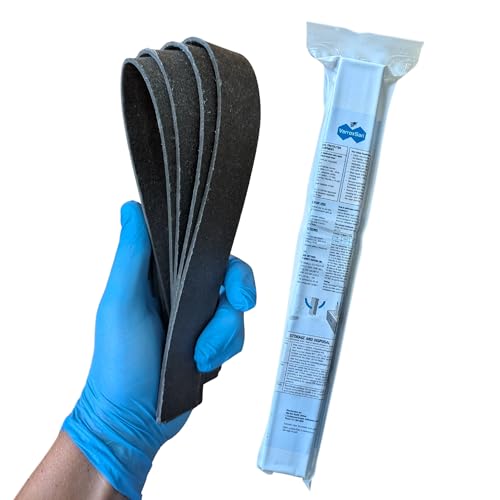
VarroxSan Oxalic Acid Strips
Vita BeeHealth · Oxalic acid extended-release strips · multi-week exposure spans brood cycles · per-label placement
Our verdict: The newest answer to oxalic acid's oldest limitation: it cannot reach mites under cappings, so these strips simply outwait them, releasing oxalic across weeks so mites are hit as each brood cycle emerges. A brood-season oxalic option at last, and a natural fit for the South's never-broodless colonies and no-vaporizer keepers.
Flash oxalic, vapor or dribble, is the broodless-window king and a brood-season disappointment, since sealed mites wait it out. VarroxSan ($42.49) changes the math with persistence: cellulose strips hung in the brood nest release oxalic acid across an extended course, up to about eight weeks per label, catching mites as every capped cycle emerges into the treated hive.
It slots two places in the calendar above: as a late-summer knockdown alternative where formic's ceiling and thymol's super rule both chafe, and as the year-round South's brood-spanning workhorse. Flash-oxalic hardware for the December shot still lives in the vaporizer guide; the two approaches complement rather than compete.
Who should buy it
Brood-all-year southern yards, keepers without vaporizer gear, and rotations wanting an oxalic class option that works while brood is present.
What we don't like
The multi-week course requires planning like amitraz does, strips want correct brood-nest placement to work, and as a newer format its field track record is still accumulating next to the old guard.
- Active ingredient
- Oxalic acid (listed)
- Format
- Extended-release cellulose strips
- Course
- Multi-week, up to ~56 days per label
- Placement
- Brood nest, per label
- Price
- $42.49
Pros
- Oxalic efficacy without a broodless window
- No vaporizer, generator, or respirator workflow
- Suits year-round-brood southern calendars
Cons
- Long course needs calendar planning
- Newer format, shorter track record
Why timing beats product choice
Two curves run through every beekeeping season, and varroa management is the art of keeping them apart. The bee population curve rises from spring, peaks at the flow, and contracts toward the compact winter cluster. The mite curve rises with it but keeps rising after the bee curve turns down, because mites reproduce in brood and late-season colonies still have brood while their adult populations shrink. The result is the deadly scissors of September: mites per bee can quadruple in the exact weeks the colony is rearing the winter bees that must live until March. A colony can look boiling-strong at the honey harvest and be doomed already, and the beekeeper who treats when the colony finally looks sick, in October, is treating a month after the verdict came in.
This is why the same product succeeds and fails in different hands. The strips do not care whether you believe in them; they kill mites whenever applied. But killing mites in October cannot repair winter bees that were parasitized as pupae in September, cannot restore the fat bodies and virus resistance they lost, and so the colony dwindles and dies in January with clean mite counts, honey in the comb, and a bewildered keeper. The Honey Bee Health Coalition's Tools for Varroa Management, the closest thing US beekeeping has to a consensus playbook, is organized around exactly this point: decisions run on monitoring and the seasonal phase of the colony, not on the shelf. Product choice matters, and our treatment roundup ranks the field, but read this page first, because a mediocre product on time beats the perfect product late, every single year.
How to count: the alcohol wash, and why boards lie
Everything on this page keys off one number, mites per 100 adult bees, and the only way to get it reliably is a wash: shake about 300 bees (a level half cup) from a brood-nest frame into alcohol or soapy water, agitate, and count the dislodged mites; divide by three and you have your percentage. Confirm the queen is not in your sample before it goes in the jar. The purpose-built jar makes this a five-minute chore: the Mann Lake Varroa EasyCheck ($30.50) is the standard, a two-chamber wash cup with a marked fill line, and the technique plus its gentler sugar-roll cousin are stepped through in the mite monitoring tools guide. Sample from a brood frame, because that is where mites concentrate; a sample from the honey super flatters the hive and lies to you.
A word on the popular alternatives. Sticky boards under a screened bottom count natural mite fall per day, and they are fine as a trend line and as a treatment-verification tool, but their conversion to actual infestation is loose enough that extension guidance, including the University of Minnesota's monitoring protocol, treats washes as the decision-grade method. The sugar roll returns the bees alive at a modest cost in accuracy, a fair trade for small-scale keepers who cannot bring themselves to sacrifice the sample; do it consistently and it steers fine. Eyeballing, watching for mites on adult bees, is worthless in the cruel technical sense: mites ride between the abdominal plates and inside cells, and by the time you can see mites on bees, or bees with deformed wings, the infestation is severe and the virus damage under way. Count monthly, the same way, every time, and write it down; the trend across months is worth more than any single number.
Thresholds by month: when a count becomes a decision
The consensus action threshold from the Honey Bee Health Coalition and extension programs is 2 to 3 mites per 100 bees, but the working number tightens and loosens with the season, because the same count means different things in May and August. Here is the threshold table we run, on a US temperate baseline:
| Month | Act at (mites/100 bees) | Why |
|---|---|---|
| March / April | 3 | Populations exploding; a spring count above 3 means a bad August is already loading. Treat before supers. |
| May / June | 2 to 3 | Brood season doubling underway. Supers complicate product choice; see the summer section. |
| July | 2 | The predictor count. At or near 2, an August treatment is certain: buy product now, plan the window. |
| August | 2, or treat on principle near it | Winter bees rear in September. This is the count that decides winter. |
| September / October | 2 | Reinvasion season: robbing imports mites from collapsing hives. Verify August held; retreat on rebounds. |
| Nov / December | Any meaningful count | Broodless oxalic window: cheap, easy, near-total exposure. Fire it regardless in most operations. |
| Jan / February | Monitor only | Too cold to wash in the North; sticky boards if screened bottoms allow. Southern yards: keep counting. |
Two habits make the table work. First, thresholds are triggers, not targets: the goal is staying under them, and a colony that keeps riding the line is telling you about its neighbors, its genetics, or your intervals. Second, every count goes in the notebook with a date; the treatment decisions in the rest of this page are made by comparing this month's number to last month's, and memory is not a monitoring method.
The August window: the treatment that saves winter bees
If this page had to be one paragraph, it would be this one. Sometime in late August through September, the colony begins rearing winter bees: a physiologically distinct generation with enlarged fat bodies, built to live months instead of weeks and to carry the colony, its warmth, and its spring restart through to March. They are reared once. Varroa feed on the fat bodies of developing pupae, the exact tissue winter bees need, while vectoring deformed wing virus into them, and pupae parasitized in September emerge as winter bees with a fraction of their lifespan. The colony then dwindles through December and dies around January, and the autopsy shows the cruel signature: a tiny cluster, plenty of honey, few dead mites, because the treatment the keeper finally applied in October worked perfectly on mites and did nothing for bees already damaged in the cradle. University extension programs converge on the same instruction, treat before winter-bee rearing, not after; Penn State's varroa management guidance and the Coalition's tools both put the emphasis on late summer for exactly this reason.
So the operational rule: count in early August, and treat at or approaching 2 per 100, with the treatment finished before September's rearing is underway. In the northern tier, where winter bees start earlier, shift the whole operation two to three weeks earlier, into late July; in the South, later, but do not relax, because your reinvasion season is longer too. Which product? August is usually hot, so the choice is a temperature negotiation, next section, but the classic August call where highs cooperate is a formic product like Formic Pro ($30.00, two doses), for one decisive reason: formic acid penetrates brood cappings, per its label, and kills mites where they reproduce, which no other mainstream chemistry does while honey supers are a consideration. The full August decision tree, formic versus thymol versus amitraz by scenario, is in the treatment roundup; what is not negotiable is the month itself. August treatment is winterizing, the first and heaviest item on the list in the winterizing guide.
Temperature windows by product (the label is the law)
Every varroa chemistry is temperature-sensitive somewhere: too cold and vapors do not vaporize, too hot and organic acids turn from treatment to harm. The label window on the box is a legal boundary and a biological one, and the single most common treatment failure after bad timing is running a product outside it. Here are the mainstream windows, hedged exactly as the labels hedge them; read your box, because formulations and labels change:
| Product (class) | Label temperature window | Reaches capped brood? | Supers on? | Typical duration |
|---|---|---|---|---|
| Formic Pro (formic acid) | About 50 to 85F, per label | Yes, per label | Yes, per label | 14 to 20 days |
| Apiguard (thymol) | About 60 to 105F, per label | No | No; remove supers, per label | 2 x 2 weeks |
| Apivar (amitraz) | Broad; brood-season use, per label | No; relies on 42-day exposure | No; remove supers, per label | 42 to 56 days |
| Oxalic acid vapor/dribble | Applied on mild days; works in cool weather | No | Per current label | Minutes; repeat per label |
| VarroxSan (oxalic, extended-release strips) | Broad brood-season window, per label | No; extended exposure spans brood cycles | Per label | Up to about 56 days |
The practical reading of the table: formic is the precision August weapon where a 14-to-20-day stretch of highs under about 85F exists, with known trade-offs (brood pause, occasional queen loss, strong fumes) that the label mitigations address. Thymol is the hot-yard alternative, tolerant up over 100F, at the cost of pulling supers and a month of treatment. Amitraz is temperature-flexible and gentle on bees but needs its long window plus super removal, and it is the class where resistance reporting is loudest, see rotation below. Oxalic in its flash forms is the cool-weather and broodless specialist, and in its extended-release strip form becomes a brood-season player by brute persistence. Match the forecast to the label before you buy, not after; an August heat dome has stranded many a box of formic strips in the shed while the mites compounded.
Spring: the treatments before the supers
Spring varroa work is about protecting two things: the buildup and the honey. A colony that wintered with mites starts the doubling clock from a higher floor, and a spring count above threshold means intervening before supers go on, while every product is still legal to use and the flow has not started the clock. The spring-legal menu is the full menu, so choose by forecast: formic in the mild window, thymol as it warms, amitraz if you accept its 42-day runway ending before supering, and for the earliest intervention of all, a broodless or near-broodless oxalic shot in late winter, when the cluster is small and cappings are few, an underrated window we flag in the calendar below.
Once supers are on, the rules change and the menu shrinks: most products, thymol and amitraz included, are off the table with marketable honey stacked, per their labels, and formic stands nearly alone in being labeled for use with supers on. This is the strategic reason the spring count matters so much: it is your last cheap decision before the flow locks the toolbox. A colony crossing threshold in June with supers on faces the choice between a formic treatment in flow heat, pulling supers early, or waiting and gambling the August window, and none of those is as good as the April treatment that would have prevented the whole dilemma. Spring is also when drone-brood culling earns its keep as a non-chemical assist for the IPM-minded, mites prefer drone brood, and freezing a sacrificial drone frame monthly skims the mite population, slowing the doubling without touching the honey; the technique and its hardware live in the monitoring guide's IPM section.
The broodless windows: the best kill rates of the year
Twice a year, varroa's fortress empties. Every mite in a colony is either reproducing under a brood capping, untouchable by most chemistries, or riding exposed on adult bees. Whenever brood approaches zero, the fortress stands empty and every mite is in the open, and a single well-timed oxalic acid application in a broodless colony achieves the kind of kill percentages no brood-season treatment approaches. The premier broodless window is late fall: after a hard cold stretch, typically late November into December in the baseline region, brood shrinks to nothing or nearly so, and a single oxalic vaporization or dribble on a mild day, cluster loose enough for vapor to reach through, is the cheapest, fastest, most effective treatment of the whole year. It cleans up whatever August missed and whatever fall robbing imported, and it starts the spring buildup from a near-zero mite floor. Most experienced cold-country keepers fire this shot annually on principle, count or no count.
The second broodless window is one you create or catch: a swarm's or package's first week. A newly hived swarm or installed package has zero capped brood until day eight or nine, and a single oxalic treatment in that window knocks the imported mite load down before the first cappings seal mites back into the fortress; the same logic applies to a colony that has been requeened with a long brood break, or a walk-away split during its queenless gap. Swarm aftercare in the swarm guide leans on exactly this. Application mechanics matter in the cold window, vapor reaches a winter cluster better than dribble in most configurations, dosing and repetition follow the current oxalic label, and the equipment tiers from 12-volt wands to cordless pro units are ranked in the vaporizer guide. Respiratory protection is non-negotiable with vapor: an acid-rated respirator, not a dust mask, per every label and every extension safety sheet ever written.
Fall reinvasion: why one August treatment is not a season
The nastiest surprise in varroa management is the clean colony that spikes in October, and it has a name: reinvasion, or mite immigration. As untreated colonies in flying range collapse through fall, their mite-loaded bees drift and beg into healthy hives, and your own foragers rob out the dying colonies and carry mites home like groceries. Studies and painful experience agree a colony can import a whole season's worth of mites in a few robbing weeks, which means an August treatment, verified and successful, does not close the books; September and October counts do. Keep washing monthly through fall, and treat rebounds promptly with whatever the temperature still allows, formic early in fall, then oxalic forms as the weather cools and broodlessness approaches.
This is also the section where varroa management stops being a private matter. A collapsing hive is a mite bomb that shells every apiary in two miles, which is why the ethic among serious keepers is blunt: treat, monitor, or requeen toward resistant stock, but do not keep untreated, unmonitored colonies stumbling toward autumn collapse in a neighborhood with other beekeepers. It is also the argument for reduced entrances and robbing screens through fall, hardware covered in the robbing screen guide: less robbing traffic is fewer imported mites, on top of everything else it prevents. And it explains a pattern that otherwise looks like bad luck: the keeper whose colony dies of varroa despite treating on time, because a feral colony in a wall two houses over collapsed in October. You cannot control the neighborhood; you can count in October and catch what it sent you.
Rotation and resistance: keeping the chemistry working
Varroa's generation time is measured in weeks, which makes it an evolution engine, and the history of varroa control is a graveyard of products that worked until they did not: the older synthetic classes bred widespread resistance years ago, and resistance reporting around amitraz, the workhorse synthetic, has grown loud enough that no one should treat it as permanent. The countermeasure is the same as in every pest system: rotate chemistry classes, never running the same class back-to-back season after season. The organic acids and thymol carry a structural advantage here, their modes of action are considered hard for mites to evolve around, which is why a rotation built on formic, thymol, and oxalic, with a synthetic held in reserve, is the pattern most extension IPM guidance sketches and the one we run.
A workable three-year rotation for a temperate yard: year one, formic in August with an oxalic broodless shot in December; year two, thymol in August (or extended-release oxalic strips like VarroxSan spanning late summer), oxalic in December; year three, if counts or reinvasion demand a heavier hand, the synthetic, then back to the acids. Alongside rotation, the practice that actually detects resistance: recount one to two weeks after every treatment ends. An August formic treatment should crater the wash count; a post-treatment count that barely moved means a misapplied product, an out-of-window application, reinvasion, or resistance, and every one of those diagnoses demands a second treatment with a different class, now, not a shrug. The keepers who get burned are not the ones who chose the wrong product; they are the ones who never checked whether the product worked.
The full-year varroa calendar
The whole system on one table, US temperate baseline (zones 5 to 7). Northern tier: shift the August entries two to three weeks earlier and expect a longer, deader broodless window. Gulf South: see the next section, because your table has no off month.
| Month | Monitoring | Treatment action | Notes |
|---|---|---|---|
| January | Sticky board only, if any | None (or late oxalic if missed in Dec and a mild day allows) | Do not open the hive; see the winter rules. |
| February | Sticky board | Near-broodless oxalic possible late month in mild regions | Brood restarting; window closing. |
| March | First wash when 55F+ allows | Treat above 3/100, any legal product by forecast | Pre-super window opens. |
| April | Monthly wash | Treat at threshold, finish before supers | Drone-comb culling starts. |
| May | Monthly wash | Formic only if supers on and treatment forced | Flow begins; toolbox narrows. |
| June | Monthly wash | Hold under threshold; formic if forced | Doubling season in full swing. |
| July | The predictor wash | Order August product now if count near 2/100 | Plan the temperature window. |
| August | Early-month wash | The knockdown: formic in window, thymol if hot | Finish before September rearing. The year's hinge. |
| September | Post-treatment verification wash | Retreat with a different class if count did not crater | Winter bees rearing now. |
| October | Reinvasion wash | Treat rebounds; cool-tolerant options | Robbing season imports mites. |
| November | Board or final mild-day wash | Broodless oxalic when cold has emptied the brood nest | The cleanup shot. |
| December | None | Broodless oxalic if not yet fired | Vapor on a mild day; gear in the vaporizer guide. |
Print it, argue with it at your club, adjust it to your latitude, and then actually follow it; a mediocre calendar executed every month outperforms a perfect one consulted in October.
Regional reality: the South's year-round war, and other adjustments
Gulf South, Florida, southern California, south Texas (zones 8 to 10): your colonies brood essentially year-round, which deletes the two pillars northern keepers lean on: there is no deep broodless window for a near-perfect oxalic shot, and no winter shutdown of mite reproduction. The doubling clock runs all twelve months, reinvasion season is longer, and the operational translation is simple and unforgiving: monitor monthly, all year, and be ready to treat in any month the count demands, choosing by temperature (thymol and extended-release oxalic strips carry more of the load in your heat, formic in your milder shoulders). Your best approximations of a broodless window are manufactured ones, requeening breaks and splits, and the brood-spanning persistence of extended-release oxalic is particularly suited to your problem. Treat the August-window principle as a September-October window: your winter bees are later, but they are still real, and so is their September vulnerability.
Northern tier and high elevation (zones 3 to 4): compress everything: winter bees start rearing in August, so the knockdown belongs in late July, the fall verification in August, and your compensation is the best broodless window in the country, long, deep, and reliable, where a single November oxalic treatment approaches total knockdown. Arid West: watch the temperature ceiling, formic's 85F limit is your binding constraint most of the season, making thymol and oxalic forms your workhorses, and monsoon-season humidity swings affect formic release rates, another reason the label's application conditions matter. Wherever you keep bees, the local club knows the local mite calendar, when the collapses start, when robbing peaks, and their dates outrank this page's baseline, exactly as we said about every calendar in the first-year guide.
The mistakes that kill treated colonies (a closing checklist)
Every fall, colonies die whose keepers treated for varroa, and the failure modes repeat so reliably they are worth naming as a checklist. Treating late: the October treatment after the September damage; the whole first half of this page. Treating blind: no counts before (was treatment needed? was the timing right?) or after (did it work?), which converts treatment from a control system into a ritual. Ignoring the label window: formic in a 95F week harms bees and queens; thymol at 55F does approximately nothing; both read as the product failing when the calendar did. One-and-done thinking: the verified August treatment followed by zero fall counts, straight into an October reinvasion spike nobody measured. Same class forever: the resistance section, ignored until the year the strips stop working. And the quiet one, skipping the December oxalic because the colony seems fine: the broodless shot is the cheapest insurance in beekeeping, and spring starts from whatever floor you set in December.
The system that avoids all six fits on an index card: wash monthly, treat at 2 to 3 per 100 by the label window, own August, verify every treatment, guard the fall, fire the broodless shot, rotate classes, write it all down. The products themselves are solved problems, ranked and priced in the treatment guide, with the counting hardware in the monitoring guide and the winter equipment in the vaporizer guide. What no guide can sell you is the calendar discipline, and that is the actual treatment. Varroa is not beaten by chemistry. It is beaten by beekeepers who know what month it is.
How to Time Varroa Treatments Through the Year
- 1
Establish monthly counts from spring
From the first full spring inspection, alcohol-wash a half cup of nurse bees (about 300) from a brood frame every month and log mites per 100 bees. Monitoring, not the calendar alone, triggers treatment.
- 2
Treat any spring colony at threshold
If a spring count reaches 2 to 3 mites per 100 bees, treat before supers go on, choosing a product whose label window matches your temperatures and honey status.
- 3
Watch the June and July counts closely
Mite populations double roughly monthly in brood season, and summer counts predict the August decision. A July count near threshold means an August treatment is already certain: order product now.
- 4
Run the August knockdown
Count in early August and treat at or approaching threshold, before winter-bee rearing begins in September. Pick by temperature: formic inside its 50 to 85F label window, thymol for hotter spells, per label in all cases.
- 5
Recount one to two weeks after treatment
Wash again after the treatment period ends. A post-treatment count that has not dropped hard means a failed treatment, resistance, or reinvasion, and it demands a second treatment with a different chemistry class.
- 6
Guard against fall reinvasion
Keep counting in September and October: robbing season imports mites from collapsing neighbor colonies, and a clean August hive can spike by Halloween. Retreat if counts rebound.
- 7
Fire the broodless oxalic shot
In late fall or early winter, after a stretch of cold has shrunk brood to minimum, apply a single oxalic acid vaporization or dribble on a mild day. With no cappings to hide under, every mite is exposed, and this cleanup sets up spring.
- 8
Rotate classes and log everything
Do not run the same chemistry class year after year: rotate among formic, thymol, oxalic, and any synthetic you use, and keep written records of counts, products, dates, and results to steer next year.
More gear worth comparing
Beyond this guide: the highest-rated gear across every category and budget, with a live price check on each.



As an Amazon Associate we may earn from qualifying purchases, at no cost to you.
Quick shop: every pick
Skip the scroll: the whole lineup, with a live price check on each.
- Mann Lake Varroa EasyCheckMonitoring: The Number Everything Runs OnMann Lake · $30.50Check Price
- Formic Pro Varroa Treatment, 2-DoseThe August Window (50 to 85F)NOD Apiary · $30.00Check Price
- Apiguard Thymol Varroa Treatment, 10 x 50gHot-Weather Treatment (60 to 105F)Vita BeeHealth · $42.99Check Price
- VarroxSan Oxalic Acid StripsExtended-Release Oxalic Through Brood SeasonVita BeeHealth · $42.49Check Price
Key terms
- Alcohol wash
- The decision-grade mite count: about 300 nurse bees from a brood frame agitated in alcohol, dislodged mites counted, divided by three for mites per 100 bees. The monthly habit every treatment decision on this page runs on.
- Treatment threshold
- The infestation level at which treatment is warranted, consensus 2 to 3 mites per 100 bees, tightened to 2 from midsummer on. A trigger for action, not a level to cruise at.
- Winter bees
- The long-lived, fat-bodied generation reared around September that carries the colony to spring. Reared once, and ruinable once: mite parasitism during their development is the mechanism behind most winter dead-outs, and the reason August owns the calendar.
- Label window
- The temperature range and conditions under which a treatment is legal and effective, printed on the product label. Formic about 50 to 85F, thymol about 60 to 105F, per current labels. The label is the law and outranks every article, this one included.
- Broodless window
- Any period with no capped brood, late-fall cold, a new swarm or package's first week, a requeening gap, when every mite in the colony is exposed on adult bees and a single oxalic treatment achieves its best kill rates of the year.
- Reinvasion
- Mite immigration into a treated colony via drifting bees and robbing of collapsing hives, concentrated in fall. The reason a verified August treatment still demands September and October counts.
- Chemistry rotation
- Alternating treatment classes (formic, thymol, oxalic, synthetics) across seasons so mites never face the same selection pressure twice in a row. The countermeasure to the resistance that has already retired older products.
- Mite bomb
- A collapsing, high-mite colony that showers its parasites on every apiary in flying range as it is robbed out. The reason varroa management is a neighborhood obligation, not just a private choice.
Questions, answered
When should you treat for varroa mites?
Treat whenever a monthly alcohol wash hits 2 to 3 mites per 100 bees, and above all in August, before the colony rears its winter bees in September. Most temperate-US operations land on an August knockdown plus a broodless oxalic acid treatment in late fall or early winter, with spring treatments as counts demand. Monitoring, not the calendar alone, makes the call.
What is the treatment threshold for varroa?
The consensus from the Honey Bee Health Coalition and university extensions is 2 to 3 mites per 100 adult bees by alcohol wash, roughly 6 to 9 mites in a standard 300-bee sample. From midsummer onward most experienced keepers act at 2, because mite populations double roughly monthly in brood season and the August count decides winter.
Why is August the most important month to treat for mites?
Because winter bees, the long-lived generation that carries the colony to spring, are reared starting around September, and they must develop in a low-mite colony. Mites feeding on winter-bee pupae shorten their lives and load them with viruses, damage no later treatment can undo. An August knockdown protects them; an October treatment kills mites but inherits the loss.
What temperature do you need for Formic Pro?
The label window is roughly 50 to 85F for the duration of the treatment, typically 14 to 20 days, and the ceiling is the binding constraint in most Augusts. Above it, formic release accelerates and can harm brood and queens. When the forecast will not stay under 85F, switch to a thymol product like Apiguard, labeled to about 105F, rather than gambling outside the window.
When is the best time for oxalic acid treatment?
When the colony is broodless or nearly so: late fall or early winter after sustained cold, typically late November into December in temperate regions, applied on a mild day. With no capped brood sheltering mites, a single vaporization or dribble reaches essentially the whole mite population. A new swarm or package's first week is the same opportunity in miniature.
Can you treat for mites with honey supers on?
With most products, no: thymol and amitraz labels require supers off. Formic acid products like Formic Pro are the mainstream exception, labeled for use with supers on, which is why formic dominates treatments forced during the flow. Check the current label of any product before it goes on a hive with marketable honey stacked, and when in doubt, pull the supers.
How do I know if my varroa treatment worked?
Recount with an alcohol wash one to two weeks after the treatment period ends. A successful knockdown craters the count, typically well under 1 per 100; a count that barely moved means an out-of-window application, reinvasion, or resistance, and it calls for an immediate second treatment with a different chemistry class. Skipping the recount is the most common silent failure in varroa management.
How often should you check for mites?
Monthly from the first spring inspection through October, with an extra verification wash after every treatment. Fall counts matter as much as summer ones, because robbing season can reinvade a clean colony with a neighbor's mites in weeks. In the brood-all-year South, monthly monitoring simply never stops.
Do I need to treat for varroa in winter?
One broodless oxalic acid application in late fall or early winter is the standard and highly recommended cleanup: cheap, fast, and the year's best kill rate. Beyond that single shot, winter is for restraint, not treatment; the hive stays closed, per the winterizing rules, and the next wash waits for the first 55F spring day.
Should I rotate varroa treatments?
Yes: never run the same chemistry class season after season. Varroa has already evolved resistance to older synthetics and resistance reports around amitraz keep growing, while formic, thymol, and oxalic are considered hard to evolve around, making them the backbone of a sound rotation. A simple pattern: formic one August, thymol or extended-release oxalic the next, a December oxalic shot every year, and recounts after everything.
Filed under Explainer
Part of Hive Health · How-To Guides
Keep reading
The Best Varroa Mite Treatments
The chemistry this calendar schedules: every mainstream product ranked by window, efficacy, and trade-offs.
The Best Mite Monitoring Tools
The counting hardware behind every threshold on this page: wash cups, sugar-roll kits, and sticky boards.
The Best Oxalic Acid Vaporizers
The broodless-window equipment: 12-volt wands to cordless pro units, plus the safety gear that is not optional.
How to Winterize a Beehive
Where the August knockdown fits in the full winter-survival protocol: weight, moisture, and mice.
Your First-Year Beekeeping Calendar
The whole beekeeping year month by month, with the varroa clock running through the middle of it.
How to Catch a Swarm
The other broodless window: why a caught swarm's first week is a near-perfect oxalic opportunity.