Varroa Control
17 guides tagged Varroa Control

Winter Beekeeping: What to Do, and Mostly What Not to Do
Winter is the season where the best beekeepers do the least. The colony is a self-heating organism running on a fixed fuel budget you set in September, and almost every intervention available to you costs it heat it cannot spare. The real winter jobs are small: heft the hive monthly, keep the entrance clear, add emergency feed if it is light, keep condensation off the cluster, take the broodless mite shot if your region offers one, and spend the rest of the season ordering, building, and planning.
Updated Aug 202618 min read

Summer Beekeeping: The Flow, the Harvest, and the Dearth
Summer is two seasons wearing one name. The first half is the main nectar flow, when a colony at peak population stores more honey than it will all year and your only real job is staying ahead of it. The second half is the dearth, when forage stops, the yard turns defensive, and everything you do has to be measured against the risk of starting a robbing frenzy. This is the working summer checklist for both halves.
Updated Aug 202618 min read

Spring Beekeeping: The Eight Jobs, In Priority Order
Spring is the only season where the colony is growing faster than you are. Population doubles on a two-week clock, drones appear, swarm pressure builds, and every job you postpone gets more expensive. This is the working spring checklist: what the bees are doing biologically, the eight jobs in the order they must happen, the gear each one demands, the mistakes that cost people their honey crop, and how to shift the whole thing for the South, the Midwest, and the northern tier.
Updated Aug 202618 min read
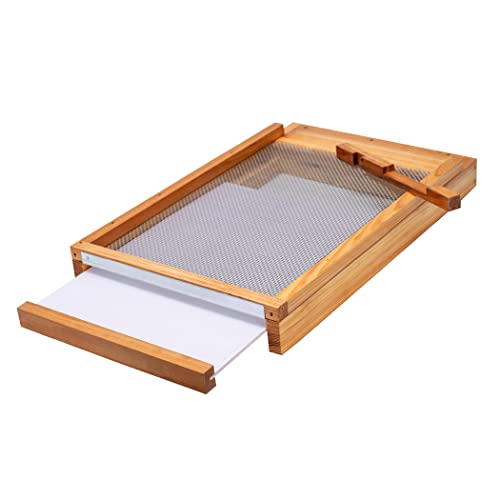
Screened vs Solid Bottom Boards: Which Should You Buy?
The floor of your hive is a $37 decision that gets argued about like a $500 one. Screened bottoms ventilate, let you count mites on a sticky board, and drop beetles out the back. Solid bottoms stop drafts. The answer for most of the United States is one board that does both, and here is why.
Updated Aug 202613 min read

Oxalic Acid vs Formic Acid: Which Varroa Treatment
Formic acid is the one chemistry that reaches mites under the cappings, and its label permits use with honey supers on. Oxalic acid is the low-stress knockdown for a broodless or nearly broodless colony. We compare mode of action, brood penetration, queen risk, application, residue, and rotation.
Updated Aug 202617 min read
Fall Beekeeping: The Season That Decides Whether They Live
We will say this plainly rather than burying it: fall is the most important season in beekeeping, and it is not close. The bees being reared right now are the winter bees, physiologically different animals that must live six months instead of six weeks, and they can only do that if they were raised by a colony with a low mite load. Your August and September decisions determine whether the colony sees March. This is the working fall checklist, in priority order.
Updated Aug 202619 min read
The Best Bottom Boards (2026)
The bottom board is the cheapest part of a hive and the one that does the most diagnostic work. We ranked five screened boards, explained the sticky-board mite count that makes screens worth having, and covered beetle trays, winter inserts, mouse guards, and why beeswax dipping outlasts paint on the wettest board in the stack.
Updated Aug 202615 min read

Beekeeping in Hot Climates: The Southern Playbook
Texas, Florida, Arizona, the Gulf, and southern California run a different beekeeping year: the hard season is summer, not winter. Shade and ventilation replace insulation, water becomes survival equipment, small hive beetles become a permanent tenant, and a nearly year-round brood cycle means varroa never gets a natural break. Here is the whole hot-climate management set.
Updated Aug 202620 min read

Bee Viruses and Deformed Wing: Why Mites Are the Real Fight
There is no antiviral you can put in a beehive. Deformed wing virus, the paralysis viruses, sacbrood, and black queen cell virus are present in most colonies at low levels and stay quiet until something amplifies them, and in the United States that something is almost always varroa. This is the field guide to what viruses look like in your bees, and the argument, backed by extension and the Honey Bee Health Coalition, that your virus management program is your mite management program.
Updated Aug 202619 min read
When to Treat for Varroa: The Timing That Decides Winter
Every varroa product works, and every varroa product fails, and the difference is almost never the chemistry: it is the calendar. Treat in August and the colony winters; treat the same hive with the same strips in October and it dies anyway, because the winter bees were already damaged as pupae. This is the timing page: thresholds by month, the temperature window on every mainstream product, the broodless oxalic windows most keepers waste, and a full-year treatment calendar you can tape to the shed wall.
Updated Aug 202623 min read
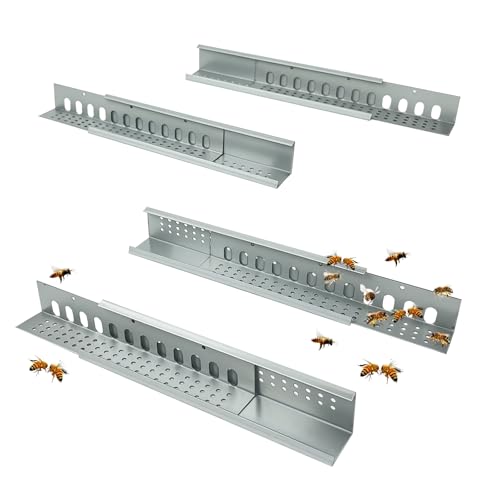
How to Winterize a Beehive: The Full Survival Protocol
Winter does not kill honey bee colonies. Mites, starvation, and condensation kill colonies, and all three are decided in fall while the weather is still pleasant. This is the complete winterizing protocol in order of importance: the August mite knockdown, the weight targets, the entrance hardware, the moisture plan that outranks any wrap, and the restraint that carries a hive from November to the first dandelions.
Updated Aug 202621 min read

How to Do a Hive Inspection in 10 Minutes
The one skill that is all of beekeeping: open the hive with a purpose, read the frames like pages, answer four questions, and get out before you cost the colony more than you learned. Smoke, propolis, eggs, brood pattern, stores, space, queen cells, pests, and the over-inspection habit that kills more first-year colonies than mites get blamed for.
Updated Aug 202619 min read
The Best Mite Monitoring Tools (2026)
Varroa mites kill more colonies than everything else beekeepers argue about combined, and the beekeepers who keep bees alive share one habit: they count. We ranked the wash testers that turn a half cup of bees into a number, explain the 2 to 3 mites per 100 bees threshold that number answers to, and cover the two treatments to reach for when counts cross it.
Updated Aug 202614 min read

Your First-Year Beekeeping Calendar, Month by Month
Beekeeping is a calendar sport: every month has one job that cannot be done in any other month, and the colonies that die in February were usually lost to a task skipped in August. This is the whole first year on one page, December ordering through your first spring-two inspection, on a US temperate baseline with honest adjust-by-region notes for the Gulf South, the northern tier, and the arid West.
Updated Aug 202622 min read

How to Start Beekeeping: The Complete First-Year Plan
Everything between "I think I want bees" and a colony alive next spring: the class to take, the rules to check, the hive to buy, where bees actually come from, what it costs, and the monthly work nobody mentions at the farmers market. Written the way we wish someone had written it for us, with the varroa talk up front instead of buried.
Updated Aug 202624 min read

The Best Oxalic Acid Vaporizers (2026)
Oxalic acid vapor is the cleanest knockout punch in varroa control, when the colony is broodless and the operator is protected. We ranked the three vaporizers we would actually run, from a $40 12V wand to the $299 cordless benefitbee, and included the honest alternative for beekeepers who would rather skip the hardware entirely.
Updated Aug 2026~13 min read
The Best Varroa Mite Treatments (2026)
Varroa mites are the number one reason colonies die, and hoping is not a treatment plan. We ranked the six legal treatments we would actually put in a hive, from the supers-on benchmark Formic Pro to the new RNAi option, organized by chemistry class so you can rotate like the pros, plus a sidebar on small hive beetles while you have the lid off.
Updated Aug 2026~16 min read
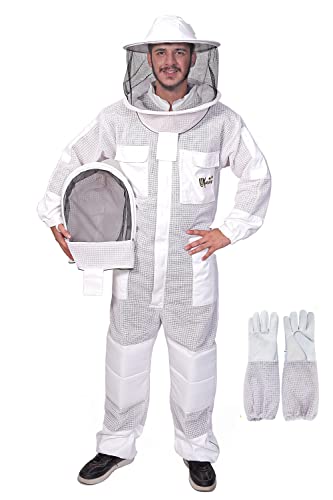
Our top-rated beekeeping gear
Whatever you decide, this is the gear we recommend: verified, researched, and ranked. Live price check on each.



As an Amazon Associate we may earn from qualifying purchases, at no cost to you.