Our Pick: NOD Apiary
Check PriceOxalic Acid vs Formic Acid: Which Varroa Treatment
Verdict first: use formic acid when you need to kill mites reproducing under the cappings and you cannot pull your honey supers, and use oxalic acid when the colony is broodless or nearly broodless and you want a high-kill, low-stress knockdown. Formic Pro at $30 for two doses is the formic product we reach for; VarroxSan extended-release oxalic strips at $42.49 or a vaporizer like the witbee 12V unit at $99.99 covers the oxalic side. They are not competitors. They are tools for two different colony states.
By The BeehiveKits Hive Desk2026-08-2917 min read Fact-checked against verified Amazon listingsHow we research
Before anything else on this page: the product label is the law, and it is also the instruction manual. Miticides sold in the United States are registered pesticides, and the label carries legally binding directions on dose, temperature, timing, supers, protective equipment, and application interval (EPA). Some states add their own requirements on top. Read the label that came in your box, follow it exactly, and check your state apiary program before you treat. Nothing we write here overrides it, and where this page and your label disagree, your label wins.
With that said, the choice between these two chemistries is genuinely decidable, and most keepers get it wrong by treating it as a preference rather than a diagnosis. Ask one question: is there capped brood in this colony right now? Varroa reproduce inside sealed brood cells, and at the height of the season the large majority of the mite population in a colony is under cappings where most treatments simply cannot reach. A chemistry that cannot penetrate cappings applied to a colony full of capped brood is a partial treatment at best.
So this comparison is really a calendar exercise. Below we work through mode of action, brood penetration, the label temperature windows, queen loss risk, the three oxalic application methods, honey super rules, why neither compound has the resistance problem amitraz has, and how to build a rotation across a season. Our treatment timing guide maps it onto the year, and our varroa treatment roundup ranks the full field.
What to know
- Formic acid is the only widely used treatment that penetrates capped brood cells, which is why it can knock down a mid-season mite load without a brood break.
- Formic Pro's label window runs roughly 50 to 85F ambient, and staying inside that window is what separates a good treatment from a dead queen.
- Oxalic acid does not penetrate cappings. Applied to a brooding colony it kills only phoretic mites, which is why it belongs in broodless windows.
- Formic acid's label permits application with honey supers on. Oxalic product labels are more restrictive about supers: read yours before you treat.
- Neither compound has documented field resistance in varroa, unlike amitraz, where resistance is a well-known and growing problem.
- Three oxalic delivery methods: vaporization, dribble, and extended-release strips. They differ in labor, equipment cost, and how long the exposure lasts.
- Rotate chemistries across the season and never treat without a mite count first and a follow-up count after. Untested treatment is guesswork.
- Thymol products like Apiguard occupy a useful third slot in a rotation when temperatures suit them and supers are off.
At a glance
| Product | Chemistry | Reaches capped brood | Best used when | Price | Check price |
|---|---|---|---|---|---|
| Formic Pro, 2-dose | Formic acid | Yes | Brood present, supers on, temperatures in the label window | $30.00 | Check Price |
| VarroxSan oxalic acid strips | Oxalic acid, extended release | No | Long exposure across a brood cycle, per label | $42.49 | Check Price |
| witbee 12V oxalic acid vaporizer | Oxalic acid, vaporized | No | Broodless colonies, fast knockdown | $99.99 | Check Price |
| Apiguard, 10 x 50g | Thymol | Partial, per label | Rotation partner, supers off, warm weather | $42.99 | Check Price |
The four products that cover both chemistries plus a rotation partner. Prices verified August 29, 2026. Always follow the product label and your state requirements.

Formic Pro Varroa Mite Treatment, 2-Dose
NOD Apiary · Formic acid gel strips · 2-dose pack · label window roughly 50 to 85F ambient
Our verdict: The chemistry that solves the problem no other common treatment solves: mites reproducing under cappings. Formic Pro's label also permits application with honey supers in place, which makes it the mid-season option when pulling supers is not realistic. At $30 for two doses it is inexpensive, and the price of using it correctly is respecting the temperature window on the label.
Roughly speaking, most of the mites in a busy colony are not on the bees; they are under the cappings, breeding. That is the reproductive strategy of varroa and it is why so many treatments underperform in July. Formic acid vapor penetrates the wax capping and kills mites inside the cell, which makes Formic Pro uniquely useful in the middle of the season when a colony is full of brood and you cannot engineer a broodless window.
The second structural advantage is the honey super rule. Formic Pro's label permits use with honey supers on, which is genuinely rare and genuinely valuable: it means a mite emergency in the middle of a flow does not force you to choose between your crop and your colony. The Honey Bee Health Coalition publishes a treatment decision guide that lays out exactly which products carry that permission, and it is worth downloading before you plan a season.
The cost of that power is sensitivity. The label window is roughly 50 to 85F ambient, and the high end is the one that hurts: applying formic into a heat wave stresses the colony badly, can kill open brood, and is the leading cause of the queen losses formic gets blamed for. Check the forecast for the whole treatment period, not the morning you apply. Penn State Extension's varroa management materials are a good grounding on how treatment timing fits the colony's cycle (Penn State Extension).
Who should buy it
Buy it if you need a mid-season knockdown in a colony full of brood, if your mite count spiked during a flow and pulling supers is not an option, or if you want the one chemistry in your rotation that reaches under the cappings. Buy it in fall too, when temperatures still sit in the label window.
What we don't like
It is the most colony-stressing option here. Queen loss is a real and documented risk, brood mortality happens, and bearding and disruption during treatment are normal. It demands a genuine temperature forecast check, it is unpleasant to handle, and the label's protective equipment requirements are not decorative.
- Active ingredient
- Formic acid (gel strip format)
- Reaches capped brood
- Yes
- Label temperature window
- Roughly 50 to 85F ambient, per label
- Honey supers
- Permitted per label; verify on your package
- Doses
- 2 per pack
- Price
- $30.00
Pros
- The only common chemistry that penetrates capped brood
- Label permits treatment with honey supers on
- No documented field resistance in varroa
- Cheap per dose and widely available
Cons
- Narrow label temperature window, strictly enforced by consequences
- Real risk of queen loss and brood mortality
- Harsh to handle; protective equipment required
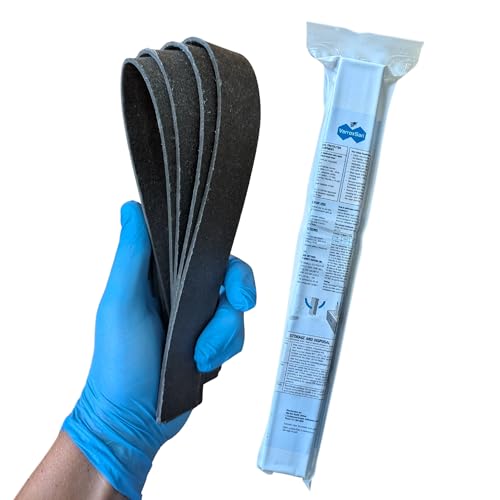
VarroxSan Oxalic Acid Strips
Vita BeeHealth · Extended-release oxalic acid strips (listed) · no equipment required · follow label placement and duration
Our verdict: The oxalic format that solves oxalic's core weakness. A single vaporization or dribble kills only the mites currently on bees; extended-release strips keep oxalic acid present in the hive over a longer window, so mites emerging from cells during the treatment period meet it too. At $42.49 with no equipment to buy, this is the easiest way into the oxalic side.
Oxalic acid's limitation is timing, and extended release is the honest workaround. A one-shot oxalic treatment hits phoretic mites, the ones riding on adult bees, and does nothing to the mites sealed in cells that day. VarroxSan oxalic acid strips are an extended-release format (listed) designed to sit in the brood nest and keep working as brood emerges, which converts a snapshot treatment into a window.
The practical appeal is that there is nothing to buy and nothing to learn. No vaporizer, no battery, no respirator drill, no syringe. You place strips per the label, note the date, and remove them when the label says to. For a keeper with two hives who treats twice a year, that simplicity is worth the price difference against a vaporizer that will sit in a shed eleven months of the year.
Two label-first cautions. First, placement and duration are specified on the label and they matter: strips in the wrong position or left in too long are not a small deviation. Second, check the label's honey super language before you assume anything, because oxalic products are generally more restrictive about supers than formic products are. When in doubt, treat with supers off. Our treatment roundup compares the full field.
Who should buy it
Buy it if you want oxalic acid without buying a vaporizer, if you keep a small number of hives, or if you want a treatment you can place and leave rather than one that requires a scheduled series of applications.
What we don't like
It still does not penetrate cappings, so it is not a substitute for formic in a heavily brooding colony with a high mite count. It costs more per hive than a dribble, it needs a removal date you will actually remember, and the label placement instructions are specific enough that improvising will cost you efficacy.
- Active ingredient
- Oxalic acid, extended release (listed)
- Reaches capped brood
- No
- Equipment
- None required
- Application
- Place strips per label, remove per label
- Honey supers
- Check your label; generally more restrictive than formic
- Price
- $42.49
Pros
- Extended exposure catches mites as brood emerges
- No equipment, no respirator, no vaporizer purchase
- Low colony stress compared with formic
- No documented varroa resistance to oxalic acid
Cons
- Does not reach mites under cappings
- Higher per-hive cost than a dribble application
- Requires disciplined placement and removal dates

witbee 12V Oxalic Acid Vaporizer
witbee · 12V pan-style vaporizer (listed) · requires battery and respirator · one-time purchase for the apiary
Our verdict: When a colony is broodless, vaporized oxalic acid is close to the best mite kill available anywhere, with almost no disruption to the bees. The witbee 12V vaporizer at $99.99 is a one-time apiary purchase that gets cheaper per hive with every colony you add. It also demands respiratory protection and label discipline that we will not sugarcoat.
The late-fall or early-winter broodless window is the single best treatment opportunity of the year, and vaporized oxalic acid is how you exploit it. With no capped brood to hide in, essentially the entire mite population is phoretic and exposed. A vaporization in that window can drop a mite load dramatically in one application, with almost no colony stress: no strips in the brood nest, no bearding, no queen risk of the kind formic carries.
The witbee 12V unit is a pan-style vaporizer (listed) that runs off a 12V battery, which is the standard backyard configuration. Per hive it is a few minutes of work: seal the entrance, insert, run per the label's dose and duration, wait, ventilate. Across a yard of five or ten hives that speed compounds, and the $99.99 becomes a per-hive rounding error over a few seasons. Our vaporizer guide ranks the alternatives.
Now the part that is not optional. Oxalic acid vapor is genuinely hazardous to the person applying it. The label specifies respiratory protection, eye protection, and gloves, and those requirements exist because inhaling the vapor causes real injury. Follow the label's protective equipment section exactly, work upwind, and never improvise dose. Check the label for honey super restrictions and check your state apiary program for any additional requirements before you use it (EPA).
Who should buy it
Buy it if you run more than two or three hives, if you treat in the broodless window every year, or if you want the highest-kill low-stress option available for a colony with no capped brood. It pays for itself against strips within a couple of seasons at apiary scale.
What we don't like
It is the most hazardous product on this page to the human using it, and the protective equipment is a real cost and a real hassle. It needs a 12V battery, it is useless against mites under cappings, and it sits idle most of the year. Single-hive keepers are usually better served by strips.
- Active ingredient
- Oxalic acid, vaporized
- Reaches capped brood
- No
- Power
- 12V battery (listed)
- Operator protection
- Respirator, eye protection, gloves per label
- Best window
- Broodless or nearly broodless colonies
- Price
- $99.99
Pros
- Very high mite kill in a broodless colony
- Minimal disturbance: no strips in the brood nest
- Fast per hive, which matters across a yard
- One-time purchase amortized over every hive and season
Cons
- Serious operator hazard; respirator is mandatory per label
- No effect on mites under cappings
- Needs a battery and a place to store it
- Overkill for one or two hives

Apiguard Varroa Mite Treatment, 10 x 50g
Vita BeeHealth · Thymol gel trays · 10 x 50g · warm-weather application per label, supers off
Our verdict: Rotation is the point of owning this. Thymol works differently from both acids, which keeps selection pressure off any single mode of action, and its label suits late-summer and early-fall treatment in warm weather with supers removed. At $42.99 for ten trays it is a sensible third product in a season plan rather than a first choice.
A varroa program built on one product is a varroa program with a shelf life. Apiguard is a thymol gel, a plant-derived essential oil chemistry that works by a different mechanism than either organic acid, which makes it the natural third leg of a rotation. Ten 50g trays cover a meaningful number of hive treatments at $42.99.
Its practical slot is late summer into early fall: after the honey comes off, while temperatures are still warm enough for the gel to volatilize properly, and before the colony builds its winter bees. That is exactly the window where a high mite load does the most long-term damage, because the mites feeding on developing winter bees are the ones that determine whether the colony sees March. Our fall beekeeping guide and timing guide both put this treatment window at the center of the calendar.
Label points, as always. Thymol treatment requires supers off, requires warm temperatures to work, and can cause colonies to beard heavily or temporarily reduce brood rearing. It can also taint honey if used incorrectly, which is precisely why the label says supers off. Read your package before you place a tray.
Who should buy it
Buy it if you are building a real rotation rather than reaching for the same product twice a year, or if you need a warm-weather post-harvest treatment and want to give the acids a season off. It fits neatly between a summer formic application and a winter oxalic one.
What we don't like
Supers must be off, temperature requirements are real, and colonies frequently react by bearding or slowing brood rearing. It is slower-acting than a vaporization and less penetrating than formic, which makes it a scheduling product rather than an emergency one.
- Active ingredient
- Thymol (gel tray format)
- Reaches capped brood
- Partial, per label
- Honey supers
- Must be removed, per label
- Temperature
- Warm-weather application per label
- Quantity
- 10 x 50g trays
- Price
- $42.99
Pros
- Different mode of action, which is the whole point of rotation
- Fits the critical post-harvest, pre-winter-bee window
- Plant-derived chemistry with a long track record
- Ten trays is a real season's worth for a small apiary
Cons
- Supers must be off
- Temperature dependent and slower acting
- Colonies often beard or slow brood rearing during treatment
The verdict, stated plainly
Use formic acid when there is capped brood and you need to reach the mites inside it. That is mid-season, that is a colony at full population, and that is frequently a colony with honey supers on, which formic's label permits. Formic is the emergency tool and the mid-season tool, and it is the only common chemistry that does the job under the cappings.
Use oxalic acid when the colony is broodless or nearly broodless. That is late fall and early winter in most of the country, and it is also any artificially created brood break: after a swarm, after a split, during a caged-queen interval. In that state oxalic acid is close to the best mite kill available, with very little colony stress, and it comes in three delivery formats to suit different apiary sizes.
Do not treat either one as a season-long default. A varroa program is a sequence of decisions made against mite counts, not a habit. Count, treat with the chemistry that fits the colony's state, count again to confirm it worked, and rotate modes of action across the year so you are not applying selection pressure to a single chemistry forever.
And once more, because it governs every sentence above: the product label is binding. Dose, temperature, supers, interval, protective equipment, all of it. Check your state apiary program too, since state requirements can be stricter than the federal label.
Read the label first, every time
Miticides are registered pesticides in the United States, and the label on the package is a legal document as well as an instruction sheet (EPA). Using a registered product in a way the label does not permit is not a gray area, and the practical consequences are as real as the legal ones: wrong dose, wrong temperature, or wrong timing is how keepers kill queens, taint honey, and produce treatments that do not work.
Five things to read every single time, even on a product you have used for years: the temperature range, the dose per colony and per box configuration, whether honey supers may be on, the application interval and total number of applications permitted, and the personal protective equipment section. Formulations change, labels get revised, and the version in your hand governs.
Then check your state. State apiary programs sometimes restrict products, require registration of hives, or add reporting requirements. Our beekeeping laws by state guide is a starting point, not a substitute for calling your state apiarist. If a treatment plan you read online conflicts with the label in your hand, the label wins, without exception.
What formic acid actually does
Formic acid occurs naturally in honey in small quantities, which is one reason it works as a hive treatment without leaving a foreign residue problem. Applied as a gel strip, it releases vapor into the hive atmosphere. That vapor is small enough and mobile enough to pass through the wax capping of a sealed brood cell, which is the property that makes it structurally different from every other common option.
Inside the cell, the vapor kills reproducing mites and their offspring. That matters enormously, because varroa reproduction happens entirely inside capped cells: a foundress mite enters a cell just before capping, lays, and her offspring mature alongside the developing bee. A treatment that cannot get in there is negotiating with a fraction of the population.
The tradeoff is that a vapor strong enough to penetrate wax is also strong enough to affect the colony. Formic treatments commonly cause visible disruption: heavy bearding, some open brood mortality, occasional queen loss. These are known effects, described in extension varroa management guidance (Penn State Extension), and they are the price of the penetration.
What oxalic acid actually does
Oxalic acid also occurs naturally, including in plants and in honey at low levels. Against varroa it works on contact with the mite, and it is remarkably effective at that: mites exposed to oxalic acid on the body of an adult bee die at high rates while the bees themselves tolerate the exposure well.
What it cannot do is get through a wax capping. Oxalic acid deposits on surfaces and on bees; it does not penetrate sealed cells in any useful way. So the entire question of whether an oxalic treatment works is the question of what fraction of the mite population is currently outside the cells. In a broodless colony, that fraction approaches everything. In a colony at peak brood rearing, it is a minority, and treating then produces a disappointing result that people wrongly blame on the product.
This single fact drives every oxalic recommendation on this page: treat broodless, or treat with an extended-release format that keeps working as brood emerges over time, or engineer a brood break and then treat. Applied at the right moment, oxalic acid is one of the most effective and least stressful tools in beekeeping. Applied at the wrong moment, it is theater.
Brood penetration: the decisive difference
If you remember one table from this page, make it this one.
| Property | Formic acid | Oxalic acid |
|---|---|---|
| Reaches mites under cappings | Yes | No |
| Kills phoretic mites on adult bees | Yes | Yes, very effectively |
| Best colony state | Brood present | Broodless or nearly broodless |
| Colony stress level | High | Low |
| Queen loss risk | Real, documented | Low |
| Honey supers | Permitted per Formic Pro label | Check your product label; generally restricted |
| Temperature sensitivity | High: roughly 50 to 85F label window | Lower, but format dependent; follow label |
| Documented varroa resistance | None known | None known |
Read the first and third rows together and the entire decision resolves. There is no version of this comparison where you should apply a non-penetrating chemistry to a colony whose mites are almost all sealed in cells and then feel confident about the outcome.
Temperature and the label window
Formic Pro's label window is roughly 50 to 85F ambient temperature, and both ends matter for different reasons. Below the low end, the gel does not release enough vapor to be effective, and you have spent a dose to accomplish very little. Above the high end, release accelerates, the concentration inside the hive climbs beyond what the colony tolerates, and that is where the queen deaths and brood losses come from.
The mistake that causes most formic failures is checking the temperature on application day rather than across the whole treatment period. The strips work for days. A 78F morning that becomes a 94F afternoon two days later is a heat event inside a hive that is already generating its own warmth. Look at the multi-day forecast, and if the high end is marginal, wait.
Two practical mitigations that stay inside the label: apply early in the day so the colony has time to adjust before peak heat, and make sure the hive has adequate ventilation and is not baking in full afternoon sun. Our placement guide covers siting, and our summer beekeeping guide covers the season this decision usually lands in.
Oxalic acid is less dramatically temperature-sensitive, but formats differ and the label still governs. Vaporization in a cold, tightly clustered colony has its own considerations, and extended-release strips have their own placement and duration rules. Read yours.
Queen loss and colony stress
Queen loss is formic acid's signature risk, and it is not a rumor. Colonies treated with formic sometimes supersede or lose their queen outright, particularly when temperatures ran high during treatment or the dose was heavy for the colony size. It is a known cost, factored into the decision by anyone who uses formic deliberately.
How to hold the risk down, all within the label: treat inside the temperature window with the whole forecast in mind, use the dose the label specifies for your actual box configuration rather than eyeballing it, ensure good ventilation, and avoid treating small or already-stressed colonies. A weak colony treated with a full dose is the classic setup for a bad outcome.
Then check afterward. Two to three weeks after a formic treatment, verify the queen is present and laying. If she is gone, you want to know in time to requeen while the season still permits it rather than in October. Our requeening guide covers the fix, and our inspection guide covers confirming a laying queen.
Oxalic acid, by contrast, is notably gentle. Broodless colonies treated with vaporized oxalic acid typically show minimal disruption, no bearding worth mentioning, and no meaningful queen risk. That gentleness is a large part of why it has become the standard winter treatment where the calendar permits it.
Application methods compared
Formic acid comes essentially one way for backyard keepers: gel strips laid on the top bars per the label. Simple, fast, and the whole treatment is the placement.
Oxalic acid comes three ways, and they are genuinely different products in practice.
| Method | Equipment | Labor per hive | Exposure window | Best for |
|---|---|---|---|---|
| Vaporization | Vaporizer plus 12V battery plus respirator | A few minutes | Single event | Broodless colonies, multi-hive yards |
| Dribble (solution) | Syringe, mixed solution per label | A few minutes, hive opened | Single event | One or two hives, cold-weather treatment |
| Extended-release strips | None | Placement plus a removal visit | Extended, per label | Catching mites as brood emerges |
The choice is mostly about apiary size and appetite for equipment. Under three hives, strips or dribble; above that, a vaporizer earns its $99.99 quickly because the per-hive time cost is what actually limits you. Our vaporizer guide compares the hardware. Whichever you pick, the label specifies dose and method, and dribble concentrations in particular are not something to improvise: too strong is harmful to bees.
Honey supers and residue
This is where the two chemistries diverge most usefully. Formic Pro's label permits treatment with honey supers in place, which is uncommon and genuinely valuable: a mite emergency during a flow does not force a choice between the crop and the colony. Oxalic acid product labels are generally more restrictive about supers, and the safe default with any oxalic product is supers off unless your specific label says otherwise.
Both compounds occur naturally in honey at low levels, which is part of why they are regulated the way they are. That is not a license to improvise: residue rules exist in the label because dose and timing determine what ends up in a harvestable crop. If you are unsure whether your product permits supers on, treat with supers off. Nobody has ever regretted being conservative about what goes into food.
Practical sequencing that keeps you clean: monitor through the season, treat mid-season with formic if the count demands it and the label permits supers, pull and extract your honey, then treat post-harvest with thymol or oxalic while the winter bees are being raised. Our harvest guide and fall guide lay that sequence out in order.
Resistance: why these two are different from amitraz
Amitraz is the synthetic active ingredient in Apivar and related products, and it is effective, convenient, and increasingly compromised. Varroa resistance to amitraz is a documented and growing problem in the United States, and it is the main reason experienced keepers talk about rotation rather than reaching for the same strip every year.
Neither formic acid nor oxalic acid has documented field resistance in varroa. The likely reason is mechanistic: these are not targeted synthetic compounds acting on a specific receptor that a point mutation can alter. They are simple organic acids acting by physical and chemical exposure, which is a much harder thing for a mite population to evolve around.
That is a strong argument for building your program around the organic acids and using synthetics sparingly and rotationally, rather than the reverse. It is also an argument for actually confirming your treatments work: measure mites before, measure mites after, and if a synthetic product is not producing the drop it should, resistance is a leading suspect. Our mite monitoring guide covers the testing gear, and the Honey Bee Health Coalition publishes the standard decision framework.
The honest case for formic acid
It solves the problem nothing else solves. Mites under cappings are the majority of the population in a busy colony, and formic is the accessible chemistry that reaches them. No amount of oxalic acid, correctly applied, substitutes for that when the colony is full of brood.
It works with supers on. That single label permission changes what is possible in July. A count that spikes during a flow can be treated without sacrificing the crop, which is the difference between managing a mite problem and postponing it until fall, by which point the winter bees are already compromised.
It is cheap and requires no equipment. Thirty dollars for two doses, no vaporizer, no battery, no respirator drill. For a keeper with one or two hives who needs a mid-season option, that is a very low barrier. The barrier is discipline about temperature, not money.
The honest case for oxalic acid
In the right window it is close to the best mite kill available. A broodless colony treated with oxalic acid can see a very large reduction in mite load from a single application, and that late-season knockdown is what sets up a colony to raise healthy winter bees and survive to spring.
It is gentle. Minimal colony disruption, negligible queen risk, no brood mortality of consequence, no bearding drama. For a keeper who has been burned by a formic treatment that cost a queen, the contrast is stark and it is real.
It has three formats, so it scales to any apiary. Strips for one hive and no equipment, dribble for cold-weather simplicity, vaporization for a yard where per-hive minutes matter. And with no documented resistance, it is a tool that should still work in twenty years, which is not something you can say about every miticide on the shelf.
Building a rotation across the season
Here is a sane skeleton for a temperate US apiary. Adjust to your climate, your mite counts, and your labels, which is to say do not run this schedule blind.
| When | Colony state | Typical choice | Why |
|---|---|---|---|
| Early spring | Brood restarting, count usually low | Monitor only | Establish a baseline before you need it |
| Late spring | Full brood, supers going on | Monitor; formic if count demands | Formic is the option that works with supers on |
| Mid summer | Peak brood, mites climbing | Formic if the label window and forecast allow | The only chemistry that reaches under cappings |
| Post-harvest, late summer | Supers off, winter bees being raised | Thymol or formic | The most consequential treatment of the year |
| Late fall to early winter | Broodless or nearly so | Oxalic acid | Maximum exposure, minimum stress |
Two rules override the table. First, count before and after every treatment, with a wash or roll rather than a sticky board guess; guidance commonly puts the action threshold around 2 to 3 mites per 100 bees (Bee Health extension community). Second, the post-harvest treatment is the one that decides whether the colony survives, because mites feeding on developing winter bees shorten the lives of the exact bees that must live for months. Against national annual losses commonly reported in the 40 to 50 percent range, that treatment is not optional.
Pick formic if / pick oxalic if
Pick formic acid if: the colony has capped brood and a mite count above threshold; you cannot or will not pull honey supers; the multi-day forecast sits comfortably inside the roughly 50 to 85F label window; the colony is strong enough to handle a stressful treatment; you need results now rather than across a brood cycle.
Pick oxalic acid if: the colony is broodless or nearly broodless; you have engineered a brood break after a split, swarm, or requeening; you want a high-kill treatment with minimal colony stress; temperatures are outside the formic label window; you want to avoid queen loss risk in a colony you cannot easily requeen this late in the season.
Pick thymol if: your supers are off, temperatures are warm, and you want a third mode of action in the rotation rather than reaching for the same acid twice in one year.
Pick none of them if you have not counted mites. Treating without a count is how keepers apply the wrong chemistry at the wrong time and conclude that treatments do not work.
None of this works without monitoring
Every recommendation on this page assumes you know your mite load. Without a count, chemistry selection is astrology. An alcohol wash or a CO2 roll on roughly 300 bees gives you a number in a few minutes, and that number tells you whether to treat, which chemistry fits, and afterward whether the treatment actually worked.
Test the same way every time so your numbers are comparable, test before treating and again a couple of weeks after, and keep a written record per hive. A treatment that did not move the count is information: wrong chemistry for the colony state, wrong temperature, wrong dose, or resistance. All four are actionable, and none of them are visible without the number.
Our mite monitoring tools guide covers the washers and testers, and our when to treat guide puts the counting schedule on a calendar. Then, once you have a number and a decision, go back to the box and read the label one more time. It is the shortest step in the process and the one that determines whether any of the rest of it worked.
More gear worth comparing
Beyond this guide: the highest-rated gear across every category and budget, with a live price check on each.



As an Amazon Associate we may earn from qualifying purchases, at no cost to you.
Quick shop: every pick
Skip the scroll: the whole lineup, with a live price check on each.
- Formic Pro Varroa Mite Treatment, 2-DoseMites Under the CappingsNOD Apiary · $30.00Check Price
- VarroxSan Oxalic Acid StripsLong, Low-Stress Oxalic ExposureVita BeeHealth · $42.49Check Price
- witbee 12V Oxalic Acid VaporizerFast Broodless Knockdownwitbee · $99.99Check Price
- Apiguard Varroa Mite Treatment, 10 x 50gThe Third Slot in a RotationVita BeeHealth · $42.99Check Price
How we chose
Every treatment claim on this page is framed against the product label, which is the legally binding instruction for a registered pesticide. Temperature figures are described as label windows, not as our recommendations.
We separate what a chemistry does biologically (mode of action, brood penetration) from what a specific product permits (supers, dose, interval), because those are different questions with different answers.
Thresholds and monitoring guidance are drawn from extension and coalition sources, linked inline, and treated as guidance rather than gospel.
Prices come from our verified offer table (checked August 29, 2026). Availability of specific miticides varies by state; check your state apiary program.
No manufacturer paid for placement, and we recommend rotation rather than loyalty, which is a strategy no single brand benefits from.
Key terms
- Phoretic mite
- A varroa mite riding on an adult bee rather than reproducing inside a capped cell. Phoretic mites are the ones oxalic acid can reach, which is why colony brood status determines whether an oxalic treatment succeeds.
- Brood penetration
- The ability of a treatment's vapor to pass through a wax capping and kill mites inside the cell. Formic acid has it; oxalic acid does not. It is the single most important difference between the two chemistries.
- Label window
- The temperature range and conditions the product label specifies for application. Formic Pro's runs roughly 50 to 85F ambient. The label is a legal document, not a suggestion, and state rules can be stricter.
- Brood break
- A period with no capped brood, occurring naturally in late fall and winter or created by splitting, swarming, or caging the queen. It is the window in which oxalic acid does its best work.
- Mode of action
- The mechanism by which a treatment kills mites. Rotating between different modes of action, organic acid and thymol for example, is how you keep selection pressure off any single chemistry.
- Resistance
- The evolution of a mite population that survives a treatment that used to work. Well documented for amitraz, not documented for oxalic or formic acid, which is a strong argument for building a program around the organic acids.
- Winter bees
- The long-lived bees raised in late summer and fall that must survive months rather than weeks. Mites feeding on them during development shorten their lives, which is why the post-harvest treatment is the most consequential of the year.
- Alcohol wash
- The standard mite count: roughly 300 bees washed in alcohol, mites counted, expressed as mites per 100 bees. The number that should drive every treatment decision on this page.
Questions, answered
oxalic acid vs formic acid which is better for varroa
Neither is better in the abstract; they suit different colony states. Formic acid penetrates capped brood, so it is the mid-season and emergency tool, and its label permits honey supers on. Oxalic acid does not penetrate cappings, so it belongs in broodless windows, where it delivers a very high mite kill with almost no colony stress. Follow the label on whichever you use.
can you use formic acid with honey supers on
Formic Pro's label permits application with honey supers in place, which is one of its main advantages. Verify the language on your specific package before treating, because labels are revised and formulations differ. Most oxalic acid products are more restrictive about supers, so treat with supers off unless your label clearly says otherwise.
what temperature is too hot for formic pro
The label window runs roughly 50 to 85F ambient, and the high end is where colonies get hurt: excessive vapor release stresses bees, kills open brood, and drives most of the queen losses formic gets blamed for. Check the multi-day forecast rather than the morning temperature, because the strips keep working for days after you place them.
does oxalic acid kill mites under the cappings
No. Oxalic acid works by contact with mites on adult bees and does not meaningfully penetrate sealed brood cells. That is why it is a broodless-window treatment. If you need to reach mites reproducing under cappings, formic acid is the accessible option, or you create a brood break first and then apply oxalic acid.
how often can you use oxalic acid vapor
The permitted number of applications and the interval between them are specified on the product label, and they vary by product and formulation. Do not build a treatment series from a forum post: read the label that came in your box, and check your state apiary program, which can impose stricter requirements than the federal label.
is oxalic acid vaporization dangerous to the beekeeper
Yes, and this is not a place to improvise. Oxalic acid vapor causes real respiratory and eye injury, which is why the label specifies a respirator, eye protection, and gloves. Wear exactly what the label requires, work upwind, and treat the protective equipment as part of the cost of the method rather than an optional extra.
do varroa mites become resistant to oxalic acid
There is no documented field resistance to oxalic acid or to formic acid in varroa, which is a notable contrast with amitraz, where resistance is a well-known and growing problem in the United States. That durability is a strong argument for building your program around the organic acids and rotating synthetics in sparingly.
can i use formic acid and oxalic acid in the same year
Yes, and rotating modes of action across a season is the recommended approach rather than the exception. A common pattern is formic in mid season when brood is present, thymol or formic after harvest, and oxalic acid in the broodless late-fall window. Respect each label's intervals and never overlap treatments unless a label explicitly permits it.
what mite count means i need to treat
Extension guidance commonly puts the action threshold around 2 to 3 mites per 100 bees, measured by alcohol wash or CO2 roll on roughly 300 bees. Test before treating, choose the chemistry that matches whether the colony has capped brood, and test again a couple of weeks after to confirm the treatment actually worked.
which varroa treatment is safest for the queen
Oxalic acid, by a clear margin. Queen loss is a real documented risk with formic acid, particularly when temperatures ran high during the treatment period, while oxalic treatments in broodless colonies typically pass with minimal disruption. If you must treat late in the season when requeening is no longer practical, that difference matters.
Filed under Comparison
Keep reading
Best Varroa Mite Treatments
The full field ranked, with the labels and windows for each product laid out.
When to Treat for Varroa
The calendar version of this page: which chemistry belongs in which month.
Best Mite Monitoring Tools
The washers and testers that produce the number every decision here depends on.
Best Oxalic Acid Vaporizers
The vaporizer field compared, from budget pans to cordless foggers.
Fall Beekeeping Guide
The post-harvest treatment window that decides whether the colony sees spring.
How to Requeen a Hive
The fix if a formic treatment costs you a queen, and how to check two weeks after.