Buying
78 guides tagged Buying

Raw Honey vs Manuka Honey: Worth the Price?
For everything you actually eat honey for, buy ordinary raw honey. Manuka is a graded, certified, traceable specialty product from one New Zealand plant, and it is priced accordingly. We explain what UMF and MGO measure, run the price per ounce, and say plainly who should buy which.
Updated Aug 202615 min read

The Best Honey Sticks and Straws (2026)
Honey sticks cost more per ounce than a jar and that is fine, because what you are buying is portability. We ranked four worth the money, showed you how to run the cost-per-ounce math yourself, and covered the resale angle for anyone selling honey at a market table.
Updated Aug 202612 min read
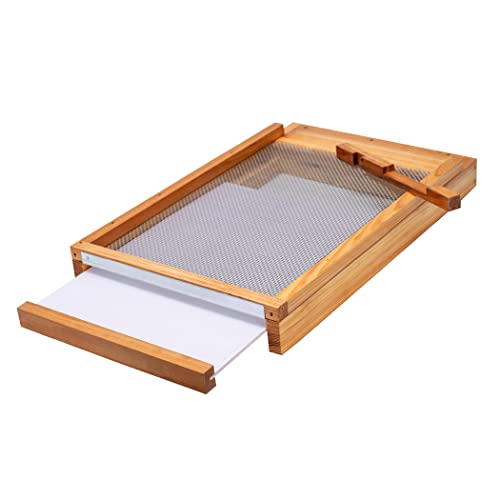
Screened vs Solid Bottom Boards: Which Should You Buy?
The floor of your hive is a $37 decision that gets argued about like a $500 one. Screened bottoms ventilate, let you count mites on a sticky board, and drop beetles out the back. Solid bottoms stop drafts. The answer for most of the United States is one board that does both, and here is why.
Updated Aug 202613 min read

Poly vs Wooden Beehives: Which One Wins
Insulated polymer hives cost roughly twice what pine does and give it back in winter survival and zero maintenance. Wood wins on price, repairability, standardization, and the fact that your mentor owns it. We run insulation, condensation, weight, UV, pests, and ten-year cost.
Updated Aug 202616 min read

Plastic vs Wax Foundation: Which Should You Buy?
One is nearly indestructible and survives an extractor at full speed. The other is what bees prefer and what comb honey demands. We settle which one belongs in your frames, when the other one earns its place, and why the trick that fixes plastic's only real weakness costs about four dollars.
Updated Aug 202614 min read

Package Bees vs Nuc: Which Should You Buy?
A package is three pounds of bees in a screened box with a queen they have never met. A nuc is a small working colony with brood, comb, and a laying queen already in production. For a first-year beekeeper the nuc is worth every dollar of the premium, and this is the full accounting of why.
Updated Aug 202614 min read

Oxalic Acid vs Formic Acid: Which Varroa Treatment
Formic acid is the one chemistry that reaches mites under the cappings, and its label permits use with honey supers on. Oxalic acid is the low-stress knockdown for a broodless or nearly broodless colony. We compare mode of action, brood penetration, queen risk, application, residue, and rotation.
Updated Aug 202617 min read
Italian vs Carniolan Bees: Which Race to Buy
Italians for long warm seasons and steady, predictable buildup. Carniolans for northern winters, frugal clusters, and explosive spring growth. We break down buildup, swarming, temperament, robbing, wintering, and the one caveat that beats race selection entirely.
Updated Aug 202615 min read

Honey Extractor Size Guide: 2, 4, or 8 Frames?
Sized by hive count, not by ambition. One or two hives: a manual 2-frame. Three to six: an electric 2/4. Seven or more: a radial 8-frame. We explain tangential versus radial, why uncapping is the actual bottleneck, and the club option that beats buying anything in year one.
Updated Aug 202616 min read

Hive Top Feeder vs Entrance Feeder: Which Should You Buy?
An entrance feeder puts a jar of sugar syrup on the doorstep of your hive and announces it to every colony within two miles. A top feeder puts the same syrup inside, where only your bees can reach it. That difference has killed more small colonies than any other feeding mistake, and it decides this comparison.
Updated Aug 202613 min read

Deep vs Medium Supers: Which Should You Buy?
A full 10-frame deep weighs about 90 lbs. A full medium weighs about 50. If you work your hives alone, that 40 lb gap is not a preference, it is the difference between a hobby you keep and a hobby your back retires you from. Here is the full case, including the argument that beats weight.
Updated Aug 202614 min read

The Best Kids Beekeeping Suits (2026)
A child's bee suit is not a costume, it is a closure system. We ranked three kids suits and the gear that goes with them, explained why you size by height rather than age, and stated the one safety rule that overrides every other consideration in this guide.
Updated Aug 202613 min read
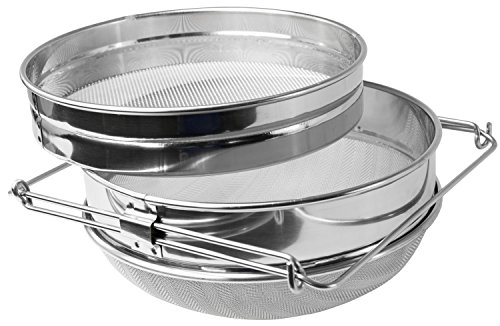
The Best Honey Strainers (2026)
A double sieve is a twenty dollar tool that decides how your honey looks in the jar. We ranked the five worth buying, explained what each mesh layer actually catches, and made the case for letting gravity and a warm room do most of the work instead of forcing honey through finer and finer screens.
Updated Aug 202614 min read

The Best Hive Covers and Inner Covers (2026)
The roof of a hive is two parts doing two different jobs, and beginners routinely run only one of them. We ranked five covers and cover sets, explained exactly why the inner cover exists, and made the case that winter colonies die of condensation far more often than they die of cold.
Updated Aug 202614 min read
The Best Bottom Boards (2026)
The bottom board is the cheapest part of a hive and the one that does the most diagnostic work. We ranked five screened boards, explained the sticky-board mite count that makes screens worth having, and covered beetle trays, winter inserts, mouse guards, and why beeswax dipping outlasts paint on the wettest board in the stack.
Updated Aug 202615 min read
Raw Honey vs Regular Honey: What the Labels Actually Mean
The full decode of the honey aisle: what raw means and what it does not, the difference between strained, filtered, and ultrafiltered, why pasteurization exists for honey at all, what heat does to aroma and enzymes, why the squeeze bear never crystallizes, what pollen content really tells you (traceability, not nutrition), and why syrup blending is the biggest honesty problem in the global honey trade.
Updated Aug 202616 min read

Pollination Services: How Renting Hives Actually Works
The honest picture of the other beekeeping revenue stream: how commercial pollination works with almonds as the anchor event that reorganizes the entire US industry every February, how hives are graded by frames of bees, what a local orchard or market garden contract really looks like for a hobbyist, the risks nobody puts in the brochure, the gear it takes to move colonies safely, and a straight verdict on whether it is worth it for a backyard beekeeper.
Updated Aug 202618 min read
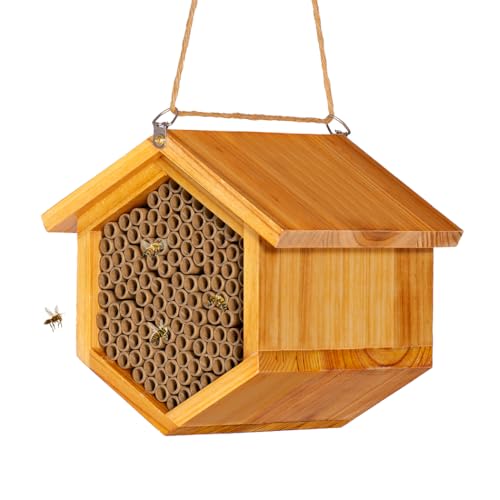
Mason Bees vs Honey Bees: Which One Belongs in Your Yard
One is a native solitary insect that costs about sixty five dollars, takes four hours a year, almost never stings, and out-pollinates its rival blossom for blossom. The other is an imported livestock animal that costs several hundred dollars, takes dozens of hours, needs a suit and mite treatments, and makes honey. Here is the full head-to-head on cost, time, stings, pollination, equipment, regulation, and winter work, plus an honest verdict on who should keep which.
Updated Aug 202618 min read
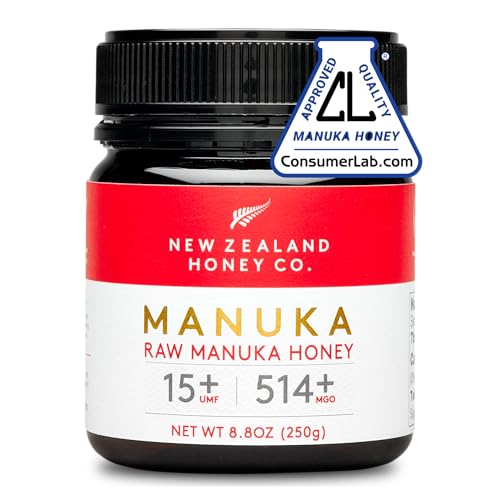
Manuka Honey UMF and MGO Explained: How the Grading Actually Works
Every number on a manuka jar, decoded: what methylglyoxal is and where it comes from, why dihydroxyacetone in manuka nectar is the reason the grade climbs on the shelf, what the UMF licence tests that a bare MGO number does not, the published UMF-to-MGO conversion table, which grading words are marketing rather than measurement, and the cost-per-MGO math that tells you whether a jar is priced honestly.
Updated Aug 202618 min read
How to Sell Honey: Rules, Labels, Pricing, and Where to Sell It
The honest business page for beekeepers with more honey than shelf space: how cottage food law generally treats honey and why you must verify your own state's rules rather than trusting any article, the federal label elements every jar needs, what raw and local can and cannot claim, the per-ounce pricing math that beats guessing, the real difference between farmers market and wholesale money, and the value-added ladder where the actual margin lives.
Updated Aug 202621 min read

The Honey Varieties Guide: 12 Types Compared by Flavor and Use
The reference table for the honey aisle: clover, orange blossom, tupelo, sourwood, buckwheat, wildflower, acacia, manuka, avocado, sage, fireweed, and honeydew, each mapped by region, color, flavor, how fast it crystallizes, and what it is actually good for, plus how monofloral honey gets made, what the Pfund color scale measures, and why the same varietal tastes different from one year to the next.
Updated Aug 202618 min read
Does Honey Go Bad? What Actually Happens in the Jar
The complete answer: the three stacked defenses that make honey essentially unspoilable, why crystallization is physics rather than rot, how to bring a set jar back without cooking the flavor out of it, the one real failure mode (fermentation, and the moisture number behind it), what those best-by dates mean, an honest look at the ancient tomb honey story, and the one person who must never eat honey at all.
Updated Aug 202617 min read
Cooking and Baking with Honey: The Substitution Math That Works
Everything that changes when honey replaces sugar: the three-quarters ratio, the liquid you have to take back out, the twenty-five degree oven drop, the pinch of baking soda that fixes honey's acidity, why fructose makes everything brown faster, which varietals belong in which dishes, what hot honey is actually for, the measuring tricks that stop half of it staying in the cup, and why the expensive jar is the wrong jar for a cake.
Updated Aug 202617 min read

The Best Wax Moth Treatments (2026)
This is a small category with few good options, and we are going to say so. The best wax moth treatment in beekeeping is a chest freezer, which costs nothing per use and kills every life stage in 48 hours. Everything you can buy exists for the moment your comb inventory outgrows your freezer, and we ranked those honestly, including one product in this search that is not a wax moth treatment at all.
Updated Aug 202615 min read

The Best Uncapping Tanks (2026)
Everybody budgets for the extractor. Almost nobody budgets for the tank the frames get uncapped over, which is why so many first harvests happen above a wobbling bucket with cappings sliding off the counter. An uncapping tank catches the wax, drains the honey back out of it, and holds the frame steady while you work. We ranked five, from a $59 kit to a $664.70 stainless bench.
Updated Aug 202615 min read

The Best Solar Wax Melters (2026)
A solar wax melter is a glazed box that turns free sunshine into clean beeswax, which is a wonderful idea and an oddly hard thing to actually buy. Almost nothing purpose-built for solar rendering sells on Amazon, so this guide is honest about that: we cover the electric melters that dominate the category, the DIY plan for building the solar box yourself, and clean pellets for readers who want the wax without the project.
Updated Aug 202614 min read

The Best Royal Jelly and Propolis (2026)
Two hive products that are nothing alike: royal jelly is a milky secretion young workers make in their heads to feed larvae, and propolis is tree resin the bees collect and reprocess into hive glue. We compared four royal jelly products and three propolis tinctures on standardization, processing, and price, and explain what 10-HDA and alcohol-free actually mean on a label.
Updated Aug 202615 min read
The Best Raw Honey You Can Actually Buy (2026)
Raw, unfiltered, local: three words that mean much less on a label than shoppers assume. We ranked seven raw honeys you can buy today, from an $8.33 pantry jar to a small-batch Georgia honey at $18.90, on what the words legally mean, what crystallization actually tells you, and what each one costs per ounce.
Updated Aug 202615 min read
The Best Manuka Honey (2026): UMF Grades, Decoded
Manuka honey is the most confusing jar in the grocery store: UMF, MGO, KFactor, "bio active," and a price range from $18 to $56 for what looks like the same product. We ranked seven UMF-certified New Zealand manuka honeys and show you the math that tells you which grade is actually worth paying for.
Updated Aug 202616 min read

The Best Hot Honey (2026): Three Bottles, Tested Uses
Hot honey went from a Brooklyn pizzeria condiment to a supermarket staple in about a decade, and most of what is sold now is honey with chili flakes shaken in. We ranked the three worth buying, explain why vinegar is the ingredient that actually makes it work, and show you how to make a better version at home for a fraction of the price.
Updated Aug 202614 min read

The Best Honeycomb and Creamed Honey (2026)
Two ways to buy honey that is not liquid: raw comb straight out of the hive, wax and all, and creamed honey that spreads like frosting because someone controlled how it crystallized. We ranked eight of them, from an $9.99 whipped tub to a $25.99 jar of clover creamed honey, and explain how to serve both without making a mess.
Updated Aug 202615 min read

The Best Honey Warmers and Decrystallizers (2026)
Crystallized honey is not spoiled honey, it is honey doing exactly what honey does. The question is how you turn it liquid again without cooking the aroma out of it. We narrowed the category down to three real answers, drew the temperature line at roughly 104F, and explained why the microwave and the stovetop are the two fastest ways to turn a prize crop into expensive syrup.
Updated Aug 202613 min read

The Best Honey Pots and Dispensers (2026)
A honey pot exists to solve one problem, which is the sticky ring the jar leaves on the counter. We compared the two competing answers, the classic ceramic pot with a wooden dipper and the no-drip valve dispenser, ranked six of them from a $6.09 ceramic jar to the $55.95 Le Creuset, and explained why your honey crystallizes and what to do about it.
Updated Aug 202613 min read
The Best Honey Gift Sets (2026), Tiered by Budget
Honey is one of the few gifts that works for almost anybody, costs what you want it to cost, and never ends up in a drawer. We ranked seven sets and honey pots from $14.99 to $59.00, sorted by budget, and matched each one to the person you are actually shopping for.
Updated Aug 202614 min read

The Best Carpenter Bee Traps (2026)
Carpenter bees drill perfectly round holes in bare softwood, then come back to the same board every spring. A well-placed trap turns that loyalty against them without a drop of spray. We ranked five traps that actually catch bees, explain exactly where to hang them, and say plainly when a trap is the wrong tool.
Updated Aug 2026~13 min read
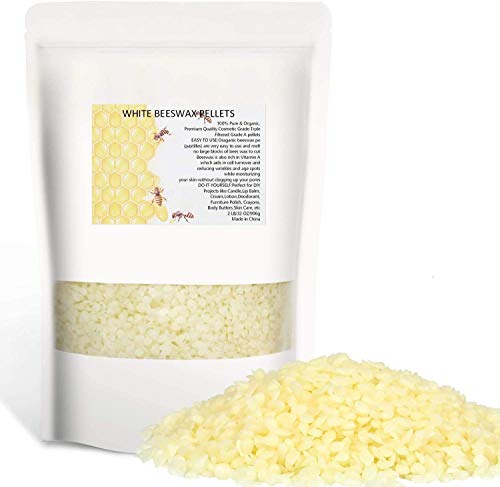
The Best Beeswax Pellets and Wraps (2026)
Pellets are beeswax that has been melted, filtered, and dropped into pea-sized pastilles so it melts fast and measures cleanly. Wraps are cotton coated in wax, jojoba, and tree resin so it clings to a bowl. We ranked four pellet brands and three wrap sets, explained white versus yellow and cosmetic versus craft grade, and covered how to bring a tired wrap back to life.
Updated Aug 202614 min read

The Best Beeswax Lip Balm and Soap Kits (2026)
A lip balm is three ingredients in a ratio, and a melt-and-pour soap bar is one ingredient plus a mold, which is why this whole category is really about whether you want the tubes, labels, and pipettes handed to you in a box. We ranked six kits and bases from $15.99 to $129.99, did the kit-versus-scratch arithmetic, and wrote down the ratios so you can skip the kit entirely if you want.
Updated Aug 202614 min read

The Best Bee Pollen Granules (2026)
Bee pollen is flower pollen that foragers packed with nectar and their own enzymes, scraped off at the hive door and dried. We compared five granule brands on drying method, moisture, sourcing, and price per pound, from a $19.99 pouch to a $31.99 two-pound bulk bag, and explain how to store it so it does not turn into a jar of clumped, fermented disappointment.
Updated Aug 202614 min read
The Best Bee Gifts and Decor (2026)
Everyone has one: the person whose kitchen, garden, tote bag, and phone case are all bees. This is the gift list that does not embarrass them, sorted by budget and by who you are actually buying for, with a clear note about which gifts are for bee lovers and which are for people who genuinely keep bees, because those are two different shopping trips.
Updated Aug 2026~14 min read

The Best Bee Feed Supplements (2026)
A splash of lemongrass and spearmint oil in sugar syrup is one of the oldest tricks in American beekeeping: bees take the syrup faster, the bucket keeps longer before it goes cloudy, and a newly installed package acts like it has decided to stay. We ranked five feeding stimulants and protein boosters, and we are equally clear about the thing they are not, which is medicine.
Updated Aug 202614 min read

The Best Bee Escape Boards (2026)
There are three ways to get bees out of a honey super: brush every frame one at a time, drive them down with a fume board and chemistry, or slide a $41 board under the super the evening before and let the colony walk itself out overnight. We ranked five escape boards, explained the one-way triangle maze that makes them work, and drew a hard line around the timing window that turns a clean harvest into a robbing incident.
Updated Aug 202614 min read

Types of Honey Bees: Races and Breeds Compared
Italian, Carniolan, Russian, Buckfast, Caucasian, Saskatraz, and the Africanized bees you should know about but never buy: temperament, spring buildup, overwintering, and mite resistance for every stock an American supplier will offer you, honestly hedged as the general reputations they are, with a comparison table and a straight answer on what a beginner should actually order.
Updated Aug 202620 min read

Where to Buy Bees: Nucs, Packages, and Everything Else
The complete guide to acquiring honey bees: what a nuc, a package, a swarm, a split, and a full colony actually are, what each costs as an honest market range, why the ordering window is December through February, how shipped bees survive the mail, how to find a good local supplier through your state association, the questions to ask before you pay, and the red flags that should send you elsewhere.
Updated Aug 202622 min read
Beekeeping Laws by State: The 50-State Directory
How beekeeping is actually regulated in the United States: state apiary programs, registration and inspection patterns, the movable-frame rule behind nearly every state law, why your city ordinance and HOA matter more than the state statute, and a 50-state directory of the agency to call before your bees arrive. No invented fees, no stale deadlines, just the map and the phone numbers that matter.
Updated Aug 202624 min read

The Best Pollen Patties and Substitutes (2026)
Sugar keeps bees alive; protein makes more bees. We ranked the pollen patties and substitutes that drive late-winter buildup and carry colonies through pollen droughts, covered when protein feeding actually helps and when it backfires, and flagged the small hive beetle rule that decides how much patty ever goes on a hive.
Updated Aug 2026~14 min read

The Best Queen Rearing Kits (2026)
Raising your own queens is the skill that turns a beekeeper into a bee breeder: cheaper requeening, locally adapted stock, and a yard that never waits on a shipping label. We ranked the grafting kits, marking tools, and mating hardware that make backyard queen rearing work, and covered the grafting, starter-finisher, and color-code basics behind them.
Updated Aug 2026~14 min read

The Best Robbing Screens and Entrance Reducers (2026)
A colony defends its entrance or loses everything through it. We ranked the robbing screens, entrance reducers, and mouse guards that turn a hive's front door from a liability into a checkpoint, and covered when dearth, fall, and moving day each demand different hardware.
Updated Aug 2026~13 min read

The Best Winter Bee Feed (2026)
Once cold weather ends syrup season, a light colony lives or dies on solid feed placed directly over the cluster. We ranked the candy board and fondants we would actually trust a winter to, covered candy boards versus fondant versus dry sugar, and laid out the hive-weight math that tells you whether you need any of it.
Updated Aug 2026~14 min read

The Best Mead Making Kits (2026)
Mead is what a beekeeper's surplus honey wants to become: about three pounds per gallon, some yeast, and patience turn the harvest into the oldest drink there is. We ranked five one-gallon kits and the bucket setup that feeds them, from a $39.99 starter to the $79.99 deluxe rig, by equipment quality, sanitation coverage, and how likely the first batch is to be one you proudly pour.
Updated Aug 202615 min read
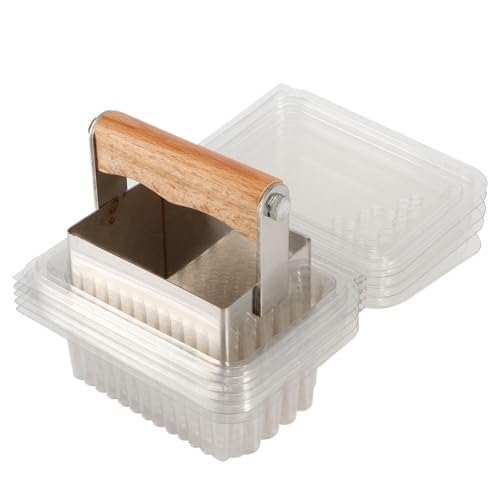
The Best Comb Honey Supplies (2026)
Comb honey is the highest-priced product a backyard hive can make and the only premium one that needs no extractor at all: the bees do the packaging. We ranked the cutters, clamshell boxes, foundation, and the super setup that turn a frame of new comb into $15-and-up retail squares, and we walk the cut-comb workflow that makes it repeatable.
Updated Aug 202614 min read

The Best Beeswax Candle Making Supplies (2026)
Every harvest leaves you a bag of cappings wax, and cappings wax is the cleanest, most valuable wax a beekeeper ever owns. We ranked seven kits, molds, sheets, and melters, from a $19.99 starter kit to the $57.90 rendering workhorse, by wax quality, wick fit, and whether the finished candle sells for what beeswax candles actually sell for.
Updated Aug 202615 min read

The Best Honey Jars and Labels (2026)
The jar is the only part of your operation the customer ever touches, and the difference between a $6 jar and a $12 jar at a farmers market is mostly packaging. We ranked nine jars and bottles and three label options, from a $0.67-per-jar sampler to the statement skep jar, by seal quality, per-jar cost, and how much premium the glass actually earns back.
Updated Aug 202617 min read

The Best Mite Monitoring Tools (2026)
Varroa mites kill more colonies than everything else beekeepers argue about combined, and the beekeepers who keep bees alive share one habit: they count. We ranked the wash testers that turn a half cup of bees into a number, explain the 2 to 3 mites per 100 bees threshold that number answers to, and cover the two treatments to reach for when counts cross it.
Updated Aug 202614 min read

The Best Swarm-Catching Gear (2026)
Free bees are real: every spring, colonies split and throw swarms, and the beekeeper with a baited trap, a catch box, and a lure in the truck gets a full colony for the cost of the gear. We ranked the traps, lures, vacuums, and hand tools that turn swarm season from a spectator sport into a supply chain, from a $5.99 brush to a $401.99 cordless bee sweeper.
Updated Aug 202615 min read

ACORNS Flow Hive Review (2026)
The ACORNS Flow Hive is the $458 flagship of the tap-the-honey-out category on Amazon: a cedar Langstroth-style hive with plastic flow frames that crack open on a key and drain honey through a tube. We spent a season's worth of judgment on what those frames actually replace, what they absolutely do not, and whether the conventional hive-plus-extractor path beats it at the same money.
Updated Aug 202613 min read

The Best Gifts for Beekeepers (2026)
Shopping for a beekeeper is easier than it looks: the hobby runs on gear, the gear wears out, and there is a whole shelf of tools beekeepers love but rarely buy for themselves. We ranked twelve gifts across four honest budget tiers, from an $8.99 uncapping fork to the $449.99 electric extractor that changes harvest day forever, every one of them something a real beekeeper would actually use.
Updated Aug 202616 min read
The Best Beekeeping Books (2026)
Bees kill more colonies through beekeeper ignorance than through anything sold in a store, which makes a good book the highest-return equipment in the hobby. We ranked the five titles worth shelf space, matched each to the beekeeper it teaches best, and paired the whole list with the free university extension resources that keep book knowledge current.
Updated Aug 202613 min read
Flow Hive vs Langstroth: The Real Cost Math (2026)
One hive pours honey from a tap for $458. The other costs $179.21 and needs a $110.42 extractor you only buy once. We run the total-cost-of-ownership math both directions, one hive and five, and tell you exactly which keeper should buy which. Spoiler: the answer flips at the second hive.
Updated Aug 202614 min read

8-Frame vs 10-Frame Beehives: Which Should You Buy?
The width of your first hive box is the most permanent decision in beekeeping: every box, cover, and bottom board you ever buy inherits it. The bees are fine in either. The choice is about your back, your budget, your resale market, and the aisle you will shop for the next decade, and we settle it here with the actual numbers.
Updated Aug 202612 min read
12 Beehive Kit Buying Mistakes That Cost Beginners Real Money
We read the one-star reviews so you do not have to live them: the twelve most expensive errors people make buying their first beehive kit, from the $80 listing with no frames inside to the secondhand deal that came with a notifiable disease. Each mistake comes with the fix and the link to the gear that avoids it.
Updated Aug 202619 min read
The Beekeeping Cost Index: What Bees Really Cost
Every line item of starting and running a backyard apiary, actually priced: three complete builds from a $340 shoestring to a $1,900 premium two-hive setup, the $150 to $250 bees nobody budgets for, year-two costs, and the slightly painful math on what your first jar of honey really cost. Updated against live prices, linked from every roundup on this site.
Updated Aug 202621 min read

The Best Beehive Stands and Winter Wraps (2026)
Winter does not kill most colonies with cold; it kills them with condensation, starvation, and mites, in roughly that order of surprise to new beekeepers. We picked the stands that save your back and your bottom boards, the wraps that actually earn their place by climate zone, the screened bottom board that manages moisture year round, and the electric fencing that keeps bears from ending the whole conversation.
Updated Aug 2026~15 min read
The Best Bee Feeders (2026)
Feeding is how beekeepers buy time: for a package drawing comb, a nuc building up, or a light colony racing winter. We ranked the five feeders we would actually put on a hive, top feeders that pour gallons without opening the brood nest and entrance feeders that make spring stimulation cheap, and covered the syrup math and robbing rules that make any of them work.
Updated Aug 2026~13 min read

The Best Oxalic Acid Vaporizers (2026)
Oxalic acid vapor is the cleanest knockout punch in varroa control, when the colony is broodless and the operator is protected. We ranked the three vaporizers we would actually run, from a $40 12V wand to the $299 cordless benefitbee, and included the honest alternative for beekeepers who would rather skip the hardware entirely.
Updated Aug 2026~13 min read
The Best Varroa Mite Treatments (2026)
Varroa mites are the number one reason colonies die, and hoping is not a treatment plan. We ranked the six legal treatments we would actually put in a hive, from the supers-on benchmark Formic Pro to the new RNAi option, organized by chemistry class so you can rotate like the pros, plus a sidebar on small hive beetles while you have the lid off.
Updated Aug 2026~16 min read

The Best Beehive Frames and Foundation (2026)
Frames are the only part of a hive the bees actually live on, and the only part you will keep buying for as long as you keep bees. We ranked six frame and foundation picks from $15.19 to $93.99, and laid out the decisions that matter more than the brand: deep or medium, wax-coated plastic or pure wax or none at all, and when old black comb should retire.
Updated Aug 202614 min read

The Best Honey Harvesting Equipment (2026)
The extractor gets the glory, but harvest day is won and lost at the other stations: the knife that opens the cells, the strainer that catches the wax, the bucket gate that fills jars without a flood, and the $23 refractometer that proves your honey will not ferment. We ranked ten pieces of harvest gear in the order your honey meets them.
Updated Aug 202615 min read

The Best Honey Extractors (2026)
An extractor is the most expensive tool most backyard beekeepers ever buy, and the wrong one either wastes $300 or turns harvest day into a two-day arm workout. We ranked nine extractors, manual and electric, from a $107.99 two-frame starter to the $449.99 VIVO 8-frame electric, by hive count, drum quality, and how they behave when the honey is actually flowing.
Updated Aug 202616 min read

The Best Beekeeping Tool Kits (2026)
Beekeeping runs on about five tools, and the kits run from nine pieces to thirty-five. We ranked the five kits and two standalone stalwarts we would actually carry to the hive, from the tote-organized BeeCastle 9-piece to a $6.95 pair of J-hooks that outworks half the mega kits, and we name exactly which pieces you will use weekly and which are box filler.
Updated Aug 202614 min read

The Best Bee Smokers (2026)
A smoker that dies mid-inspection is the most common equipment failure in beekeeping, and the most preventable. We ranked the five smokers we would actually light, from the Foxhound Pro that burns for a whole bee yard to a $17.99 Blisstime that starts more beekeepers than any other, and we cover the fuel, the lighting method, and the science of why smoke works at all.
Updated Aug 202614 min read

The Best Beekeeping Jackets and Gloves (2026)
Most experienced beekeepers do most of their inspections in a jacket, not a full suit, and their gloves take more stings than everything else they own combined. We ranked the four jackets and three gloves we would actually work in, from the ventilated USKEEPERS jacket to $7.49 goatskin gloves that embarrass the pricey ones, and we explain when half a suit is the smarter buy.
Updated Aug 202614 min read
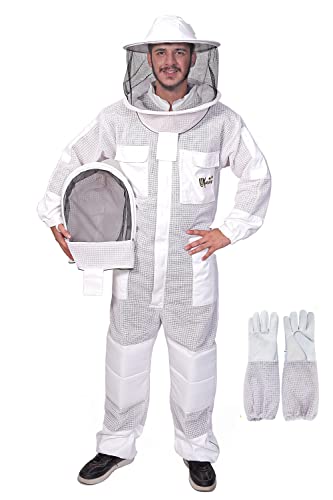
The Best Beekeeping Suits (2026)
A bee suit has one job that is really three: stop stingers, dump heat, and stay on your body through two hundred hive inspections. We ranked the six full suits we would actually zip into, from the ventilated USKEEPERS 3-Layer to a $29.99 VIVO that is honest about what it is, and we explain the mesh, the veils, and why you should almost always size up.
Updated Aug 202615 min read
The Best Nuc Boxes and Swarm Traps (2026)
The humble five-frame box is the highest-leverage equipment in a small apiary: it houses your splits, banks your queens, catches free bees every spring, and costs less than a single package of the bees it can save or capture. We ranked nine picks across both jobs, from the $38.81 plastic workhorse the industry standardized on to a $175 assembled trap built for serious swarm season, plus the two lures that make any box smell like home.
Updated Aug 202617 min read

The Best Observation Beehives (2026)
A hive with a window changes who gets to see the bees: kids at arm's length, nervous neighbors, and you on a February afternoon when opening the boxes would chill the cluster. We ranked four window hives from $89.99 to $152.99, and we are clear about the limit up front: a window shows you the colony; it never replaces an inspection.
Updated Aug 202613 min read
The Best Auto-Flow Beehives (2026)
Turn a key, watch honey pour from a tap: that is the auto-frame promise, and within its real limits it delivers. We ranked five self-harvesting hives from the $458 ACORNS flagship down to a $235 four-frame starter, and we are equally clear about the part no listing mentions: you still inspect, you still fight varroa, and the tap only replaces the extractor.
Updated Aug 202615 min read
The Best Premium Insulated Beehives (2026)
Insulated poly hives are the closest thing modern beekeeping has to a cheat code for winter: warmer clusters, drier boxes, less syrup burned just staying alive. We ranked the Apimaye Ergo system, the insulated lineup we would actually put a colony in, from the full $320 set with frames down to the $72 screened bottom board that upgrades a wooden hive.
Updated Aug 202616 min read

The Best 8-Frame Beehives (2026)
The 8-frame hive is the format for beekeepers who lift alone: a full 8-frame deep runs about 65 lbs by listed estimates against roughly 90 for a 10-frame, and that gap decides who can actually work a hive solo. We compared eight kits from $79.79 to $159.99 and ranked them by build quality, bee safety, and what genuinely ships in the box.
Updated Aug 202614 min read

The Best 10-Frame Beehives (2026)
The 10-frame Langstroth is the standard hive of American beekeeping: every mentor knows it, every part fits it, and every used-gear listing assumes it. We compared seven complete hives and the component boxes that grow them, from a $124.99 budget kit to the $295 insulated Apimaye, and ranked them by build, bee safety, and what actually ships in the box.
Updated Aug 202614 min read
Our top-rated beekeeping gear
Whatever you decide, this is the gear we recommend: verified, researched, and ranked. Live price check on each.

As an Amazon Associate we may earn from qualifying purchases, at no cost to you.