Our Pick: BeeCastle
Check PriceThe Best Winter Bee Feed (2026)
Our pick is the BeeCastle 10-frame candy board (about $38): a purpose-built rim that holds a thick slab of hardened sugar directly over the winter cluster, right where the bees end up in late winter when stores run short. Starvation in February is rarely about an empty hive; it is about a cluster that ate its way to the top and found bare wood. A candy board turns that dead end into a pantry. For the feed itself, the HIVE ALIVE fondant (about $20) is the ready-made block we reach for first, and its bulk sibling (about $59) plus Alan's bulk fondant (about $87) cover multi-hive yards without a candy-making session.
By The BeehiveKits Hive Desk2026-08-28~14 min read Fact-checked against verified Amazon listingsHow we research
Winter feeding is emergency insurance, not a substitute for fall management. Liquid syrup stops working once daytime temperatures sit below roughly 50F, because bees cannot take it down or drive off its moisture in the cold; university extension guidance such as the winter preparation resources at extension.umn.edu is blunt on that point. The right sequence is syrup early, heft checks often, and solid feed only where the scale says a colony is light. Colonies in cold northern climates commonly need on the order of 60 to 90 pounds of stored honey to winter safely, less in the South; your local extension's number outranks any national average.
This guide covers the three solid-feed formats: candy boards (our default), fondant blocks and patties (the convenient middle), and the dry-sugar mountain camp method (nearly free, slightly crude). All three work on the same principle: carbohydrate directly above the cluster, reachable without the bees breaking formation. We also flag the two purchases that pair with feed every winter, a hive wrap and a fall top feeder, because feed placed on a soaked, windblown hive is a half measure.
The disclosure, as always: no manufacturer paid for placement here, and none saw the guide before publication. Some links go to Amazon; if you buy through one we may earn a small commission at no extra cost to you, and it never moves a ranking. Prices are approximate at publication; check the live listing.
What to know
- Our pick is the BeeCastle candy board (about $38): a refillable frame that holds solid feed exactly where a late-winter cluster needs it.
- HIVE ALIVE fondant (about $20) is the best ready-made block; the bulk pack (about $59) and Alan's bulk fondant (about $87) feed multi-hive yards.
- Syrup season ends near 50F: below that, bees cannot take or ripen liquid feed, so late fall and winter feeding must be solid, per extension guidance.
- Weigh before you feed: cold-climate colonies commonly need roughly 60 to 90 pounds of stored honey; a heavy hive needs no feed at all.
- Placement beats product: any solid feed must sit directly over the cluster, because winter bees will not travel sideways to food in the cold.
- Winter feed is the rescue, not the plan: fall syrup through a top feeder is how you avoid needing this guide in the first place.
At a glance
| Feed | Format | Listed size | Best for | Approx. price | Check price |
|---|---|---|---|---|---|
| BeeCastle Candy Board | Candy board (10-frame) | One hive rim | Our Pick: the delivery system | ~$38 | Check Price |
| HIVE ALIVE Fondant | Fondant block | Ready-to-feed pack (listed) | Best ready-made fondant | ~$20 | Check Price |
| Meyer Bees Fondant Patties | 1 lb patties (listed) | 10-pack (listed) | Portion control across hives | ~$30 | Check Price |
| HIVE ALIVE Fondant, Bulk | Fondant block | Bulk pack (listed) | Best bulk value with additives | ~$59 | Check Price |
| Alan's Honey Bee Fondant | Bulk fondant | Multi-hive supply (listed) | Big yards, long winters | ~$87 | Check Price |
The 2026 winter bee feed shortlist at a glance. Weights and formulas are the manufacturers' listed figures; prices are approximate at publication, verified against our offer table in August 2026.

BeeCastle 10 Frame Beehive Candy Board
BeeCastle · 10-frame Langstroth candy board rim · holds poured candy or fondant · listed
Our verdict: The BeeCastle candy board is the piece of equipment that makes winter feeding systematic instead of improvised. It sits on the top box like a shallow rim, holds a poured slab of hardened sugar or a layer of fondant, and puts that feed exactly where the late-winter cluster arrives when stores run out. Load it in November, check it with a ten-second peek on warm days, and reload without pulling a single frame. This is the format we recommend for most colonies.
Late-winter starvation follows a predictable script. The cluster starts low in fall, eats its way upward through the cold months, and reaches the top of the stack in February or March with weeks of winter left. If the top of the stack is bare inner cover, the colony starves inches from where feed could have been. The BeeCastle candy board rewrites the ending: a rim of hardened sugar candy or fondant sits directly on the top bars, so the cluster's natural upward march ends at a pantry instead of a ceiling. Bees consume it from below, in contact with the cluster's warmth, without anyone breaking formation in the cold.
Two field notes from the desk. First, a candy board also earns quiet moisture-control credit: sugar over the cluster absorbs some of the water vapor a wintering colony exhales, which would otherwise condense on a cold inner cover and rain back down on the bees. Dry cold is survivable; dripping cold is not. Second, the board adds a rim of height, so check your outer cover still seats securely and wind cannot lift it, and pair the whole stack with a wrap like the MayBee winter wrap in windy northern yards. Our winterizing guide walks the full stack from bottom board to cover.
Who should buy it
Buy the BeeCastle candy board if you run 10-frame Langstroth equipment anywhere with a real winter, and especially if you have ever lost a colony in late winter with honey still in the outer frames. It is the one-time equipment purchase that turns every future winter feed into a two-minute job.
What we don't like
It is the delivery system, not the feed: you still buy or make the sugar that goes in it. It adds a rim of height to the winter stack, and like all top-of-stack additions it demands a well-seated cover. And 8-frame beekeepers will need to verify fit before ordering, since this board is built to 10-frame dimensions.
- Format
- Candy board rim, 10-frame Langstroth (listed)
- Loads
- Poured sugar candy or fondant blocks
- Placement
- Directly on top bars, under cover
- Refill
- Lift cover, lay in feed, close
- Approx. price
- ~$38
Pros
- Puts feed exactly where the late-winter cluster arrives
- Reloadable all winter without pulling frames
- Doubles as a moisture sink over the cluster
- Works with homemade candy or bought fondant
Cons
- Feed sold separately, by definition
- Adds rim height to the winter stack
- 10-frame dimensions; 8-frame users must check fit

HIVE ALIVE Bee Food Fondant
HIVE ALIVE · Ready-to-feed fondant · listed supplement blend · winter, spring, and fall use per label
Our verdict: HIVE ALIVE's fondant is the no-excuses winter feed: a ready-made block you lay flat over the top bars or into a candy board the day you notice a light hive. The listed formula includes the brand's supplement blend, but the reason it wins this slot is simpler: it is soft enough for bees to work in cold weather, firm enough not to slump between frames, and available at the moment you need it, which a batch of homemade candy never is.
The best winter feed is the one that goes on the hive today. Homemade candy boards are cheap and excellent, and they require a free evening, a big pot, and advance planning. The HIVE ALIVE fondant requires opening a package. Lay the slab across the top bars directly over the cluster, ideally with a shim or empty rim to make headspace, or drop it into a candy board frame, and the colony has reachable carbohydrate within minutes of you noticing the problem. For the beekeeper who hefts a hive in December and feels it come up alarmingly light, that immediacy is the whole product.
The listed supplement blend (the brand's seaweed-derived additive line) is a reasonable bonus we treat as exactly that: a bonus, not a reason to buy. Sugar position keeps colonies alive; additives are a coin flip we do not rank on. What we do rank on is handling, and this fondant handles well: it peels cleanly, drapes over bars without shattering, and bees take it steadily in cold weather. One pack covers one colony's emergency; for a yard, step up to the bulk pack reviewed below and keep the spare blocks sealed until needed.
Who should buy it
Buy the HIVE ALIVE fondant if you want winter feed on the shelf before you need it, or need it on a hive this afternoon. It is the right call for one-to-three-hive beekeepers who would rather spend twenty dollars than an evening making candy.
What we don't like
Per pound, ready-made fondant costs several times what homemade candy does, which stings across many hives. The supplement blend is listed rather than proven necessary, and you are paying something for it. And a single pack is one colony's rescue, not a yard's winter plan.
- Format
- Ready-to-feed fondant block
- Listed use
- Winter, spring, and fall feeding per label
- Additives
- Brand supplement blend (listed)
- Placement
- Over top bars or in a candy board
- Approx. price
- ~$20
Pros
- Zero preparation: open and place
- Good cold-weather texture: soft to work, firm in place
- Fits candy boards and shimmed top-bar placement
- Small pack is perfect for single-hive emergencies
Cons
- Costs well above homemade candy per pound
- Additive value is listed, not proven
- One pack does not cover a multi-hive yard
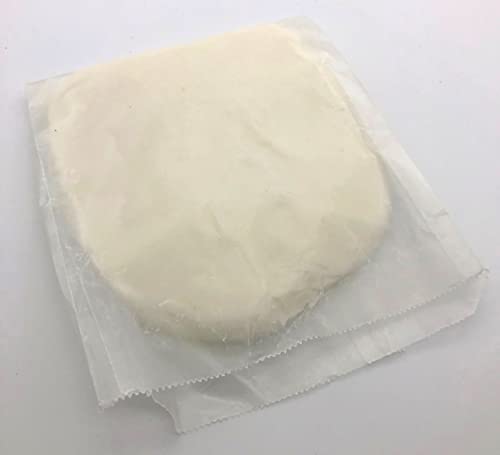
Meyer Bees Fondant Patties, 1 lb
Meyer Bees · Fondant patties · listed 1 lb portions, 10-pack · apply-as-needed winter feed
Our verdict: Meyer Bees slices the fondant idea into listed one-pound patties, and that portioning is the product. Instead of committing a whole slab to every colony, you deal patties like cards: one for the hive that is merely lightish, three for the one that worries you, none for the heavyweight. Across a small yard through a long winter, matching feed to heft checks is both cheaper and better beekeeping than flat-rate feeding.
Not every hive in a yard is equally light, so why feed them identically? The Meyer Bees fondant patties come as a listed ten-pack of one-pound portions, and that turns winter feeding into an allocation problem you can actually solve. Heft every hive on a mild December day, rank them, and distribute patties accordingly. On the next warm-day check, hives that consumed their patty get another; hives that ignored it are telling you they still have stores below. The patty count becomes a crude but honest gauge of which colonies are burning through winter fastest.
Handling is fondant-standard: patties lie flat on the top bars under a shim, or stack neatly inside a candy board like the BeeCastle board above. The per-pound price sits between single-pack convenience fondant and true bulk, which is exactly where a portioned product should sit. If your yard is two to six hives with real winters, this ten-pack plus a scale of honest heft checks is a complete late-winter program. Larger yards should price the bulk options below, where the per-pound math takes over.
Who should buy it
Buy the Meyer patties if you run several hives of unequal strength and want feed allocation to follow your heft checks instead of a flat rate. It is the tidy middle path for two-to-six-hive yards in genuine winter country.
What we don't like
Per pound it undercuts single fondant packs but not bulk fondant, so big yards outgrow it. Individually wrapped portions mean more packaging to manage in a cold yard with gloves on. And one-pound units run out fast under a truly light hive, which will want multiple patties per visit.
- Format
- Fondant patties
- Listed portions
- 1 lb each, 10-pack
- Placement
- Over top bars or in a candy board
- Workflow
- Allocate per hive by heft
- Approx. price
- ~$30
Pros
- Portioning matches feed to each hive's need
- Consumption rate doubles as a colony gauge
- Stores neatly; deploy only what winter demands
- Sensible mid-tier per-pound price
Cons
- Bulk fondant beats it on per-pound cost
- More packaging fuss in the cold
- Very light hives need several patties at once

HIVE ALIVE Bee Food Fondant, Bulk Pack
HIVE ALIVE · Ready-to-feed fondant, bulk pack (listed) · same listed formula as the single pack
Our verdict: The bulk HIVE ALIVE pack is the single-pack fondant's math fixed: same listed formula, same excellent cold-weather handling, at a per-pound price that makes feeding a whole yard rational. If the heft check says three of your five hives are light, this is the package that covers all three today and leaves sealed reserve for the February surprise. For most multi-hive backyards, this is the fondant purchase that actually matches the mission.
Winter feeding is a yard-scale problem the moment you run more than two hives. Colonies sharing a site share a forage year, so the fall that leaves one hive light usually leaves several light, and buying rescue fondant one pack at a time is how beekeepers end up rationing in February. The HIVE ALIVE bulk fondant solves it at purchase time: enough listed ready-to-feed blocks to cover every light colony now, with sealed spares that keep until the late-winter check that always finds one more hungry hive.
Everything said about the single pack applies: lay blocks directly over the cluster with a shim for headspace, or stage them in a candy board, and treat the listed supplement blend as a bonus rather than the point. The bulk format's only real demand is storage: keep unused blocks sealed against moisture and pantry pests, and they hold to next season. Pair this purchase with the fall program that shrinks how much of it you need, gallons of 2:1 syrup through a top feeder like the KAGZ top feeder while temperatures still allow, and winter feed becomes the backstop it should be instead of the plan.
Who should buy it
Buy the bulk pack if you run three or more hives, or two hives in a region with long winters and late springs. It is the right unit for anyone who has done a February fondant panic-order once and intends never to repeat it.
What we don't like
It is a bigger check to write on feed you may not fully use in a mild winter, and unused blocks demand sealed, pest-proof storage. The additive premium over plain bulk fondant persists at this scale. And it remains a rescue product: it cannot substitute for the fall syrup a light yard should have gotten.
- Format
- Ready-to-feed fondant, bulk pack (listed)
- Listed use
- Winter, spring, and fall feeding per label
- Additives
- Brand supplement blend (listed)
- Storage
- Keep sealed; holds to next season
- Approx. price
- ~$59
Pros
- Per-pound price makes yard-wide feeding rational
- Sealed spares cover the late-winter consumption spike
- Same easy handling as the single pack
- One purchase covers the whole winter program
Cons
- Larger upfront spend, possibly beyond a mild winter's need
- Needs proper sealed storage
- Additive premium over plain fondant remains

Alan's Honey Bee Fondant, Bulk
Alans Honey Bee Fondant · Bulk winter fondant (listed quantity) · plain-sugar feeding at scale
Our verdict: Alan's bulk fondant is the volume play: the listed quantity here is aimed at beekeepers wintering many colonies, where feed gets measured in tens of pounds and bought once. It is straightforward winter fondant done at scale, and for the sideliner running eight, twelve, or twenty hives, buying feed in one large lot before Thanksgiving beats every alternative on both price and peace of mind.
At some hive count, winter feed stops being a product and becomes a supply line. A sideliner wintering a dozen colonies in a northern state can plausibly need a hundred-plus pounds of emergency feed in a hard year, and servicing that from single retail packs is silly. The Alan's bulk fondant is built for that buyer: one listed bulk lot, ordered while roads are clear and stock exists, staged in sealed totes, and dealt out across the yard as heft checks demand all winter.
Against the HIVE ALIVE bulk pack, the trade is additives and packaging polish for raw quantity per dollar; at big-yard scale we take the quantity. Storage discipline matters most at this volume: sealed containers, cool and dry, mouse-proof, because a bulk fondant lot is exactly the calorie stash a farm's rodents spend winter hunting. If your operation is two or three hives, this much feed is a multi-year supply and the smaller packs above serve you better. If it is ten, this is the obvious buy, alongside a wrap program and reduced entrances yard-wide; our winterizing walkthrough covers the full checklist.
Who should buy it
Buy Alan's bulk fondant if you winter roughly eight or more colonies, or fewer colonies somewhere winters run five months. It is the supply-line purchase for beekeepers who think in yards, not hives.
What we don't like
It is the guide's biggest check and most demanding storage job, and small-yard beekeepers will sit on unused stock. Listed quantity and format should be confirmed on the live listing before planning a yard's winter around it. And like every feed here, it fixes February, not the fall management that caused February.
- Format
- Bulk winter fondant (listed)
- Scale
- Multi-hive, multi-month supply
- Placement
- Over top bars or in candy boards
- Storage
- Sealed, cool, rodent-proof
- Approx. price
- ~$87
Pros
- Quantity pricing for real multi-hive winters
- One order covers a whole yard's season
- Plain-sugar simplicity, no additive premium
- Pairs naturally with candy boards across the yard
Cons
- Overkill below roughly eight colonies
- Serious storage discipline required
- Largest upfront spend in the guide
More gear worth comparing
Beyond this guide: the highest-rated gear across every category and budget, with a live price check on each.



As an Amazon Associate we may earn from qualifying purchases, at no cost to you.
Quick shop: every pick
Skip the scroll: the whole lineup, with a live price check on each.
- BeeCastle 10 Frame Beehive Candy BoardBest OverallBeeCastle · ~$38Check Price
- HIVE ALIVE Bee Food FondantBest Ready-Made FondantHIVE ALIVE · ~$20Check Price
- Meyer Bees Fondant Patties, 1 lbBest Portion ControlMeyer Bees · ~$30Check Price
- HIVE ALIVE Bee Food Fondant, Bulk PackBest Bulk ValueHIVE ALIVE · ~$59Check Price
- Alan's Honey Bee Fondant, BulkBest for Big YardsAlans Honey Bee Fondant · ~$87Check Price
How we chose
We judge winter feed on the cluster's terms: can cold bees reach it without breaking formation, does it hold together over the frames, and does it stay put when the outer cover comes off in a January wind. Placement mechanics outrank ingredient lists.
Moisture behavior matters twice: feed should not drip syrup onto the cluster, and a candy board or fondant slab that absorbs a little hive moisture is doing useful secondary work as a moisture sink.
Refill workflow is scored for winter reality: a ten-second lid lift at 35F is acceptable; anything that requires pulling frames in the cold is disqualifying.
Listed weights and formulas are treated as listed, not verified: we do not assay sugar content, and additive claims (essential oils, supplements) are reported as the maker states them, not endorsed as medicine.
Prices come from our verified offer table; no brand bought a placement, and the cheapest feed that a cluster cannot reach in February is the most expensive kind there is.
Key terms
- Candy board
- A shallow rim holding a slab of hardened sugar or fondant, placed directly on the top bars under the cover. It positions emergency feed where the late-winter cluster naturally arrives, and absorbs some hive moisture as a bonus.
- Fondant
- Soft, dense sugar paste sold in blocks or patties that bees can consume in cold weather. The ready-made alternative to homemade candy: costlier per pound, zero preparation.
- Mountain camp method
- Winter feeding by pouring dry granulated sugar over newspaper laid on the top bars inside an empty rim. Nearly free and effective, if messier and less tidy about moisture than a candy board.
- Winter cluster
- The tight ball bees form in cold weather, shivering to generate heat and moving slowly upward through stores as winter progresses. Clusters move up readily but sideways poorly, which is why feed placement is vertical.
- The 50F syrup cutoff
- The rough daytime temperature below which bees stop taking liquid syrup and cannot evaporate its moisture, ending liquid feeding for the year per extension guidance. After it, all feeding is solid.
- Heft check
- Judging a hive's stores by tilting it from the back and feeling the weight, done through fall and on mild winter days. The cheap habit that tells you which colonies need feed weeks before starvation.
- 2:1 syrup
- Roughly two parts sugar to one part water by weight, the standard fall feed bees can ripen and cap quickly. The tool for fixing light hives before winter; this guide's products are for after that window closes.
Questions, answered
What should I feed bees in the winter?
Solid feed placed directly over the cluster: a candy board loaded with hardened sugar or fondant, fondant blocks or patties on the top bars, or dry sugar via the mountain camp method. Our default is the BeeCastle candy board (about $38) loaded with fondant such as HIVE ALIVE (about $20). Liquid syrup is a fall tool only.
When is it too cold to feed bees sugar water?
Once daytime temperatures sit below roughly 50F, bees stop taking syrup down and cannot drive off its moisture, so extension guidance treats that as the end of liquid feeding. Finish 2:1 fall syrup before that window closes; after it, switch entirely to candy boards, fondant, or dry sugar.
How much honey does a hive need for winter?
Cold northern climates commonly call for on the order of 60 to 90 pounds of stored honey, while mild southern regions need substantially less; local extension guidance beats any national number. Judge by heft or an actual scale in early fall, and fix shortfalls with 2:1 syrup while it is still warm enough.
Candy board or fondant: which is better?
They are complements, not rivals. The candy board is the delivery hardware with the best placement and moisture behavior, and fondant is a convenient thing to put in it (or directly on top bars with a shim). Buy the board once, then load it with homemade candy for pennies or bought fondant for convenience.
What is the mountain camp method?
Feeding dry granulated sugar poured over newspaper laid across the top bars inside an empty rim or shallow box, lightly misted to crust it. It is nearly free and genuinely effective as emergency feed, at the cost of some mess: sugar sifting between frames and bees carrying some out as debris.
When should I put winter feed on the hive?
Stage it before consistent cold arrives, typically late fall after syrup season ends, and especially on any hive whose heft worries you. Feed placed early costs nothing if untouched. Then check on calm days above roughly 40F through late winter, because February and March, when clusters grow and brood restarts, are the peak starvation months.
Can I open my hive in winter to add feed?
Briefly, yes: pick a calm day, ideally above 40F, lift the cover, place feed, and close within seconds. Never pull frames or break apart boxes in the cold. A ten-second feed placement costs the colony little; a five-minute inspection in January can chill brood and bees badly.
Why did my bees starve with honey still in the hive?
Because the cluster could not reach it. Cold clusters move upward well but sideways poorly, so bees can exhaust the frames above them and starve while outer frames still hold honey. That is precisely the failure candy boards and top-bar fondant prevent: they extend the cluster's upward path with reachable feed.
Is feeding sugar bad for bees?
Plain white granulated sugar, as syrup in season or solid feed in winter, is the accepted standard and far better than starvation. Avoid brown sugar, molasses, and raw or unknown honey, which can carry indigestible solids or disease spores. Sugar is a bridge; spring forage and honest fall stores remain the real diet.
Do wrapped hives still need winter feed?
Wrapping and feeding solve different problems: a wrap manages heat loss and wind, feed covers a stores shortfall, and a hard winter can demand both. A wrapped but light hive still starves. Run the full checklist, mites, weight, mouse guards, moisture, wrap, feed, rather than picking one favorite fix.
Filed under Buyer's Guide
Part of Hive Health
Keep reading
How to Winterize a Beehive
The full order of operations winter feed slots into: mites, weight, wind, moisture, and mouse guards.
The Best Bee Feeders (2026)
The fall syrup hardware that keeps most hives from ever needing emergency winter feed.
The Best Beehive Stands and Winter Wraps (2026)
The insulation and moisture half of winter survival, reviewed the same way.
First-Year Beekeeping Calendar
When syrup ends, when candy boards go on, and when the late-winter checks happen, month by month.
The Best Varroa Mite Treatments (2026)
The fall mite knockdown that decides winter bee quality before any feed can help.
The Best Robbing Screens and Entrance Reducers (2026)
Mouse guards and reduced entrances: the front-door half of the winterizing checklist.