Our Pick: Quarry Books
Check PriceTypes of Honey Bees: Races and Breeds Compared
The answer first: for a first colony, order Italian or Carniolan stock from a good local producer and do not overthink it. Italians, the American default, carry a reputation for gentleness, strong laying, and forgiving behavior on the comb; Carniolans add a reputation for frugal overwintering and explosive spring buildup that suits colder climates; and either, well-raised, will teach you beekeeping better than any exotic line badly raised. The producer matters more than the pedigree. That is the whole beginner decision, and the rest of this page is what all the other words on a bee supplier's order form actually mean.
By The BeehiveKits Hive Desk2026-08-2820 min read Fact-checked against verified Amazon listingsHow we research
One honesty requirement before the tour: everything anyone tells you about bee races, including everything below, describes tendencies, not guarantees. All these bees are subspecies or breeds of the single species Apis mellifera, the western honey bee, and open mating means most queens' daughters carry mixed ancestry within a generation or two. A given Italian colony can be cranky, a given Russian colony can be a pushover, and colony-to-colony variation within a race is often wider than the average difference between races. We hedge every claim on this page accordingly, and we cite the standard references so you can go deeper than a buying guide should.
Why the labels still matter: reputations are averages, and averages are exactly what you are buying when you order a queen or nuc sight unseen. Choosing Carniolan-leaning stock in Minnesota or gentle Italian stock for a suburban backyard shifts the odds in your favor, and knowing the vocabulary lets you interrogate a supplier intelligently, a skill set that pairs with the vetting questions in our where to buy bees guide. Standard disclosure: no brand paid for placement here, and some links go to Amazon, where purchases may earn us a small commission at no extra cost to you.
What to know
- All managed honey bees in the US are one species, Apis mellifera; races and breeds are tendencies, not guarantees, and local raising quality beats pedigree.
- Italians are the friendly, prolific default; their reputation's cost is heavy winter stores consumption and enthusiastic robbing.
- Carniolans are the cold-climate favorite: gentle, frugal winterers with explosive spring buildup and a matching swarming reputation.
- Russian and Saskatraz lines carry the strongest mite-resistance reputations, traded against quirkier temperament and management.
- Africanized bees are a safety awareness topic in the southern US, never a purchase; know the range and the defensive behavior signs.
- Beginner answer: a well-raised local Italian or Carniolan nuc beats any exotic line from a distant producer.

The Backyard Beekeeper, 5th Edition
Quarry Books · Quarry Books, 5th edition · beginner-to-sideliner reference (listed)
Our verdict: The book we reach for when race and queen questions get past buying-guide depth: stock selection, requeening, and bee biology handled thoroughly inside a complete hobbyist curriculum. Pairs with this page the way a manual pairs with a map.
Race choice opens onto queen management fast, and The Backyard Beekeeper ($15.59) covers that whole territory, stock differences, requeening, and the biology underneath, with the photographic depth this format cannot match.
It trades top billing with one other title in our books roundup.
Who should buy it
Keepers who want the why behind stock reputations and a reference that stays useful into sideliner scale.
What we don't like
Denser than a pure starter book; absolute beginners may want the friendlier on-ramp first.
- Format
- Paperback, 5th edition (listed)
- Publisher
- Quarry Books
- Depth
- Beginner through sideliner
- Price
- $15.59
Pros
- Real depth on races, queens, and selection
- Strong photography for diagnosis
- Grows with you past year one
Cons
- Denser than starter guides
- US framing may not travel
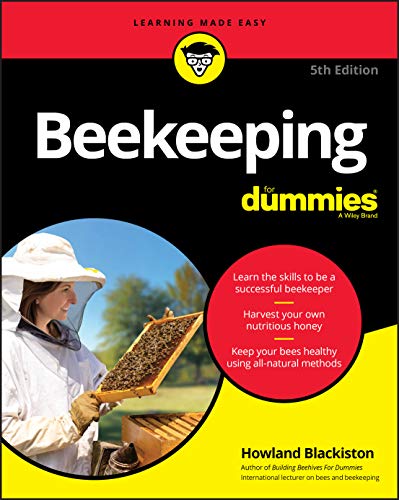
Beekeeping For Dummies
Wiley · Wiley beginner reference · full first-year curriculum (listed)
Our verdict: The standard first beekeeping book, and its plain-language treatment of choosing bee stock slots exactly where this page leaves off. Everything else the first colony demands is in the same volume.
For the beginner who wants one book beside the hive, Beekeeping For Dummies ($15.99) remains the default: ordering bees, choosing stock, installs, inspections, and the first harvest, all in the friendliest prose in the category.
How it compares to the denser references is covered in the books guide.
Who should buy it
First-year beekeepers who want the complete curriculum in the most approachable package available.
What we don't like
Approachability costs depth on breeding and stock genetics; step up to the denser references when those questions bite.
- Format
- Paperback reference (listed)
- Publisher
- Wiley
- Coverage
- Complete first-year curriculum
- Price
- $15.99
Pros
- Friendliest complete beginner manual
- Covers stock choice in plain language
- Cheap enough to buy with any kit
Cons
- Light on breeding depth
- US-centric guidance
One species, many reputations: how to read this page
Every bee below is Apis mellifera, the western honey bee. The classic races, Italian, Carniolan, Caucasian, and the rest, are geographic subspecies that evolved in different European and Caucasus climates, while Buckfast and Saskatraz are deliberate human breeding programs, and Russian stock in the US descends from a specific USDA importation project. Because queens mate in the open with whatever drones the neighborhood offers, most working colonies in America are blends within a couple of generations, and race labels on order forms describe the queen mother's line more than a genetic promise.
So read every trait below with the built-in asterisk: these are general reputations, aggregated from long beekeeping experience and the standard references, not specifications. They are still worth knowing, for the same reason dog-breed tendencies are worth knowing when adopting sight unseen. Four traits do the deciding: temperament on the comb, spring buildup speed, overwintering economy, and varroa resistance, the trait that has moved from curiosity to headline as mite pressure became the defining problem of modern beekeeping, as our varroa treatment guide covers in depth.
Italian bees: the American default
The Italian bee (Apis mellifera ligustica), native to the Italian peninsula, is the most widely kept honey bee in the United States and much of the world, and its reputation explains why: generally gentle and calm on the comb, prolific brood-rearers with long laying seasons, light-colored and queen-spotting-friendly, and reliable comb builders and honey producers. When a supplier says nothing about stock, Italian ancestry is the safe assumption. The classic golden-striped bee of every logo, ours included, is an Italian.
The reputational costs come from the same engine. Italians are known for maintaining large brood nests late into fall, which means eating heavily through winter stores, a trait that demands generous fall feeding and honest stores checks in cold climates, the routine our winterizing guide schedules. They also carry the hobby's strongest reputation for robbing weaker neighbors and drifting between hives, which can spread mites across an apiary. Mite resistance: generally regarded as low without management; plan real monitoring from day one. For beginners in most of the US, the package of gentleness, forgiveness, and availability keeps Italians the reference choice.
Carniolan bees: the cold-climate favorite
The Carniolan honey bee (Apis mellifera carnica), from the Slovenian and southeastern Alpine region, is the second pillar of American beekeeping and the stock we most often suggest north of roughly the Mason-Dixon line. Its reputation triple: exceptional gentleness, often described as calm even in weather that annoys other bees; frugal overwintering in small clusters that sip rather than gulp stores; and explosive spring buildup keyed to early pollen, which converts short northern springs into full-strength colonies in time for the flow.
The famous trade-off is swarming: the same early-spring population rocket makes Carniolan-leaning stock quick to congestion, and their reputation for swarm preparedness is well-earned, so hive space management in April and May is non-negotiable, exactly the checkpoint rhythm in our inspection guide and the first-year calendar. They are darker bees, making unmarked queens harder to spot. Mite resistance: modest by reputation, better than nothing, no substitute for monitoring. For cold-winter beginners who will actually inspect in spring, Carniolans are arguably the best first bee available.
Russian bees: the mite-resistance project
The Russian honey bee in America descends from stock the USDA's Agricultural Research Service imported from Russia's Primorsky region in the late 1990s, selected because those populations had coexisted with varroa mites far longer than European bees and showed meaningfully stronger resistance; the ongoing program is documented through ARS and a certified breeders association maintains the line. Their reputation: the strongest varroa and tracheal mite resistance of any widely available stock, hardy frugal overwintering, and cautious brood rearing keyed tightly to actual forage conditions.
The management quirks are real and worth knowing before ordering. Russians are reputed to maintain queen cells almost continuously without necessarily swarming, which unnerves keepers trained to read cells as alarms; their stop-and-go brood pattern reads as weakness to Italian-calibrated eyes; temperament runs more defensive than Italians or Carniolans on average, though far short of Africanized behavior; and they are reputed to perform best kept as pure stock rather than blended. Our take: a superb second-apiary or treatment-minimizing choice, a confusing first bee. If reduced treatment dependence is the goal, pair any stock with the monitoring discipline in when to treat for varroa rather than trusting genetics alone.
Buckfast bees: the engineered all-rounder
The Buckfast bee is not a natural race but a breeding program, begun in the early twentieth century at Buckfast Abbey in England by the monk-beekeeper known as Brother Adam, who crossed strains from across Europe and beyond in pursuit of a balanced bee after tracheal mite epidemics devastated British beekeeping. The design goals became the reputation: gentle temperament, low swarming tendency, good honey production, thrift through winter, and disease hardiness, particularly against tracheal mites.
In the US, Buckfast-line bees are available from a modest number of dedicated producers rather than everywhere, and quality tracks the breeder, since maintaining a synthetic line requires controlled mating that open-mated operations cannot fully deliver. Reputation caveats: varroa resistance is not the line's headline the way it is for Russians, and poorly maintained Buckfast crosses have historically been blamed, fairly or not, for hot second-generation colonies. From a careful breeder, a Buckfast colony is one of the most pleasant bees a hobbyist can run.
Caucasian bees: the gentle specialist
The Caucasian honey bee (Apis mellifera caucasia), from the high valleys of the Caucasus, holds two reputations no other stock matches: the longest tongue of the common races, letting it work deep flowers other bees skip, and a temperament often described as the gentlest available. Add a low swarming tendency and you have, on paper, a wonderful backyard bee.
The reasons it remains a specialist choice: Caucasians are legendary propolis producers, gluing equipment into a workout for your hive tool and slowing every inspection; their spring buildup is slow, peaking late, which mismatches the early flows of much of the US; their overwintering reputation in harsh climates is middling, with susceptibility to nosema historically cited; and availability in the US is thin, so finding well-raised stock takes hunting. Worth trying for gentleness-first keepers with long summer flows; not the first bee we would ship a beginner.
Saskatraz and the survivor-stock movement
Saskatraz is a modern breeding project out of Saskatchewan, Canada, selecting for varroa tolerance, wintering ability, and honey production from colonies that demonstrably survive with reduced treatment, and its queens have become widely distributed in the US through major queen producers. The pitch, and the general reputation: near-Italian productivity and manageable temperament with meaningfully better mite and virus tolerance than standard commercial stock. Because the line is maintained by selection rather than isolation, what reaches hobbyists are open-mated daughters whose traits vary more than the program's breeder queens, so the label is best read as better odds, not a different species of outcome.
Saskatraz sits inside a broader survivor-stock movement, including feral-derived and locally selected lines, various VSH (varroa sensitive hygiene) enriched stocks, and regional resistant-bee projects, all sharing one honest limitation: resistance is partial. Every reputable breeding program says plainly that these stocks reduce mite pressure rather than eliminate it, so the monitoring-and-thresholds discipline in our treatment timing guide applies to every colony on this page, survivor genetics included.
Africanized bees: awareness, not a purchase
The Africanized honey bee is the hybrid descendant of African A. m. scutellata stock that escaped a Brazilian breeding program in the 1950s and spread north, reaching the southern United States in the 1990s; established populations now occur across parts of the Southwest, Texas, the Gulf states, Florida, and southern California, with the boundary shifting over time. No one sells Africanized bees and no one should keep them: their defining reputation is massively amplified colony defense, responding faster, in far greater numbers, and pursuing far longer than European stock, which is what makes them genuinely dangerous to people and animals near a disturbed colony.
What a beekeeper in the affected states actually does with this information: source bees and queens from reputable producers rather than keeping feral swarms of unknown ancestry, requeen any colony whose temperament turns severely and persistently defensive, and treat unmanaged colonies in structures as a professional-removal matter. State apiary programs in Africanized-range states publish current guidance, one more use for the directory in beekeeping laws by state, and our sting safety guide covers the human-side protocol. For the overwhelming majority of US backyards, Africanized genetics are a reason for good sourcing habits, not a reason to skip beekeeping.
The comparison table
The whole page in one grid. Every cell is a general reputation, hedged per the ground rules above; individual colonies vary widely.
| Stock | Temperament | Spring buildup | Overwintering | Mite resistance | Watch out for |
|---|---|---|---|---|---|
| Italian | Gentle | Strong, sustained | Fair; eats heavily | Low | Robbing, big winter appetite |
| Carniolan | Very gentle | Explosive, early | Excellent, frugal | Modest | Spring swarming |
| Russian | Moderate | Conservative, forage-keyed | Excellent | Strongest of common stocks | Ever-present queen cells, unusual rhythm |
| Buckfast | Gentle (breeder-dependent) | Good | Good, thrifty | Modest; tracheal-mite hardy | Line quality varies by producer |
| Caucasian | Gentlest reputation | Slow, late peak | Middling in harsh cold | Low | Heavy propolis, scarce supply |
| Saskatraz | Manageable | Strong | Good (bred in Saskatchewan) | Improved tolerance claimed | Open-mated daughters vary |
| Africanized | Severely defensive | Rapid | Poor in cold climates | High | Not kept; safety awareness only |
Which bee for a beginner, decided honestly
Run the decision in three cuts. Cut one, climate: in the northern half of the country, Carniolan-leaning stock's frugal wintering and early buildup fit the season; in the southern half, Italian stock's long season and heat-adapted reputation fit better; in the transition band, either works. Cut two, situation: close neighbors and small suburban lots favor the gentlest available stock, Carniolan or well-bred Buckfast, alongside the siting tools in the placement guide; treatment-minimizing ambitions point at Russian or Saskatraz lines in year two, after a season of standard stock has calibrated your eye. Cut three, and it dominates the other two: buy the best-raised local bees available and take whatever race that is. A vigorous local Italian nuc from a producer who answers the vetting questions in where to buy bees beats mail-order exotic genetics every time.
And plan on the great leveler: whatever your first queen was, her open-mated successors will blend toward your local drone pool. Most experienced hobbyists eventually keep local mutts with a lean in a chosen direction, refreshed by an occasional purchased queen, a craft our requeening guide and queen rearing roundup cover when you get there.
Reading a supplier's stock description
Order forms compress all of the above into phrases worth decoding. "Italian hybrid" or "Italian-type": open-mated stock with Italian queen mothers, the standard commercial product, fine. "VSH": varroa sensitive hygiene, a heritable mite-fighting behavior bred into various lines; treat it as a resistance bonus, not a treatment plan. "Survivor stock" or "treatment-free line": ask exactly what selection produced it and how the producer manages mites now; the phrase spans serious programs and marketing. "Locally overwintered": the phrase we weight most heavily, since it names a demonstrated trait rather than an ancestry. "Marked queen": a paint dot for findability, worth having in any stock, especially the dark races where unmarked queens hide in plain sight.
For the deeper biology behind all these words, the standard references serve well: the race chapters in The Backyard Beekeeper ($15.59) and Beekeeping For Dummies ($15.99) cover selection and stock choice at book depth, and the extension network's bee biology material at bee-health.extension.org stays current on resistance breeding.
The bottom line
Bee races are weather forecasts, not contracts: Italian means probably gentle and prolific and hungry in winter, Carniolan means probably thrifty and explosive in spring and swarm-minded, Russian and Saskatraz mean better mite odds and quirks, Buckfast and Caucasian mean gentle specialists worth seeking from the right breeder, and Africanized means a safety topic for southern-state sourcing habits. Order well-raised Italian or Carniolan stock locally for your first colony, monitor mites regardless of any resistance claim, and let your own yard's results, not the internet's averages, pick your second race.
More gear worth comparing
Beyond this guide: the highest-rated gear across every category and budget, with a live price check on each.




As an Amazon Associate we may earn from qualifying purchases, at no cost to you.
Quick shop: every pick
Skip the scroll: the whole lineup, with a live price check on each.
- The Backyard Beekeeper, 5th EditionBest Depth on Bee StockQuarry Books · $15.59Check Price
- Beekeeping For DummiesBest First BookWiley · $15.99Check Price
Key terms
- Race (subspecies)
- A geographically evolved variety of Apis mellifera, like Italian (ligustica), Carniolan (carnica), or Caucasian (caucasia). Race labels on American order forms describe the queen's maternal line; open mating blends ancestry within a generation or two.
- Buildup
- The speed and timing of a colony's spring population growth. Explosive early buildup (the Carniolan reputation) wins short northern springs but demands swarm management; sustained buildup (the Italian reputation) suits long seasons.
- VSH (varroa sensitive hygiene)
- A heritable behavior in which workers detect and remove mite-infested pupae, interrupting mite reproduction. Bred into various stocks as partial resistance; a bonus to be verified by monitoring, never a treatment plan.
- Survivor stock
- Bees selected from colonies that persist with reduced or no treatment, from formal programs like Saskatraz to local feral-derived lines. Quality spans serious breeding and pure marketing; ask what selection actually produced the line.
- Open mating
- Queens mating in flight with the local drone pool rather than under breeder control. The reason purchased genetics drift toward local mutts, and the reason locally adapted stock is a self-renewing advantage.
- Requeening
- Replacing a colony's queen to change genetics, restore laying, or fix temperament. The standard remedy for a defensive colony and the mechanism by which a keeper steers stock over years.
Questions, answered
What is the best type of honey bee for beginners?
Italian or Carniolan stock from a good local producer. Italians carry the gentler-default, prolific reputation that suits most of the US; Carniolans add frugal overwintering and early buildup that fit cold climates. Both are widely available, forgiving, and well understood by every mentor you will meet. The producer's quality matters more than the race label, so buy the best-raised local nuc you can find.
What is the friendliest bee breed?
By reputation, Caucasians and Carniolans contend for gentlest, with well-bred Buckfast close behind and Italians comfortably gentle for backyard purposes. These are averages: any race can produce a defensive colony, and temperament often traces to the local drones behind an open-mated queen. If any colony turns persistently hot, requeening from gentle stock is the standard fix regardless of what the label said.
Which honey bees are most resistant to varroa mites?
Among widely available stocks, Russian bees carry the strongest mite-resistance reputation, rooted in the USDA's importation of Primorsky stock that had long coexisted with varroa, with Saskatraz and various VSH-enriched survivor lines also claiming improved tolerance. Every reputable program says the same caveat: resistance is partial. Monitor mite levels and act on thresholds with every stock, resistant labels included.
What is the difference between Italian and Carniolan bees?
By general reputation: Italians run larger brood nests longer, eat more winter stores, rob more readily, and suit long warm seasons; Carniolans winter frugally in small clusters, build explosively in early spring, swarm more readily because of it, and suit cold climates. Both are gentle, widely available, and excellent first bees; latitude and your willingness to do spring swarm management usually pick between them.
Are Buckfast bees good for beginners?
From a careful breeder, yes: the line was designed for gentleness, low swarming, thrift, and disease hardiness, which is a beginner-friendly package. The catches are supply and consistency: Buckfast is a maintained synthetic line, US sources are fewer than for Italians or Carniolans, and quality tracks the breeder's mating control. If a reputable Buckfast producer operates in your region, they are worth a call.
What are Russian bees like to manage?
Different enough to know in advance: by reputation they keep queen cells present much of the time without necessarily swarming, throttle brood up and down with forage instead of holding steady, run somewhat more defensive than Italians, and reward being kept as unblended stock. Their payoff is the strongest mite resistance among common stocks and hardy wintering. We suggest them as a deliberate second-year choice rather than a first bee.
What is a Saskatraz bee?
A modern Canadian breeding program from Saskatchewan selecting for varroa tolerance, wintering, and honey production, distributed in the US through major queen producers. Hobbyists generally receive open-mated daughters of the program's breeder queens, so expect Italian-like productivity with improved mite-tolerance odds rather than a guarantee, and keep monitoring like the trait was not there.
How do I know if bees are Africanized?
You cannot judge by looking; Africanized and European honey bees are visually near-identical, and identification is done by labs and state apiary programs. The behavioral signature is extreme defense: eruptive response to disturbance, stinging in large numbers, and long pursuit. If you keep bees in the established southern range, source from reputable producers, requeen any severely defensive colony, and leave feral colonies in structures to professionals; your state apiary program publishes current local guidance.
Can I mix different bee races in one apiary?
Yes, and most apiaries are mixed whether intended or not, since open mating blends everything within a couple of generations. Running an Italian and a Carniolan colony side by side is a classic and instructive beginner setup; expect drift between hives and, if you later raise your own queens, expect their daughters to reflect the whole neighborhood's drones rather than either label.
Do bee breeds really matter that much?
They matter as odds, not destiny. Race reputations shift your probable temperament, buildup timing, winter economy, and mite pressure, which is real value when ordering sight unseen, but colony-to-colony variation is wide, and raising quality, local adaptation, and your own management swamp the label. Buy well-raised local stock in a sensible race for your climate, and let results in your yard drive every choice after the first.
Filed under Explainer
Part of Beekeeping 101
Keep reading
Italian vs Carniolan Bees
The head-to-head most beginners actually face, resolved by climate and temperament.
Where to Buy Bees
Nucs, packages, ordering windows, and the supplier vetting that matters more than any race label.
How to Requeen a Hive
The mechanism for changing stock: when, how, and what to do with a hot colony.
When to Treat for Varroa
The monitoring-and-thresholds discipline that applies to every stock, resistant lines included.
The Best Varroa Mite Treatments
The treatment toolkit behind every mite-resistance conversation on this page.
How to Start Beekeeping
The full first-year plan your stock choice slots into.
The Best Beekeeping Books
The references that take races, queens, and breeding to book depth.