Queen Rearing
13 guides tagged Queen Rearing

Spring Beekeeping: The Eight Jobs, In Priority Order
Spring is the only season where the colony is growing faster than you are. Population doubles on a two-week clock, drones appear, swarm pressure builds, and every job you postpone gets more expensive. This is the working spring checklist: what the bees are doing biologically, the eight jobs in the order they must happen, the gear each one demands, the mistakes that cost people their honey crop, and how to shift the whole thing for the South, the Midwest, and the northern tier.
Updated Aug 202618 min read
Italian vs Carniolan Bees: Which Race to Buy
Italians for long warm seasons and steady, predictable buildup. Carniolans for northern winters, frugal clusters, and explosive spring growth. We break down buildup, swarming, temperament, robbing, wintering, and the one caveat that beats race selection entirely.
Updated Aug 202615 min read

How to Overwinter Nucs: The Sideliner's Insurance
A five-frame colony that survives to March is a free replacement queen, a free spring split, and a hedge against the deadout you have not found yet. Making them in time, packing enough feed into a small box, pairing them to share heat, controlling moisture, and splitting them out in April.
Updated Aug 202622 min read

Fall Beekeeping: The Season That Decides Whether They Live
We will say this plainly rather than burying it: fall is the most important season in beekeeping, and it is not close. The bees being reared right now are the winter bees, physiologically different animals that must live six months instead of six weeks, and they can only do that if they were raised by a colony with a low mite load. Your August and September decisions determine whether the colony sees March. This is the working fall checklist, in priority order.
Updated Aug 202619 min read
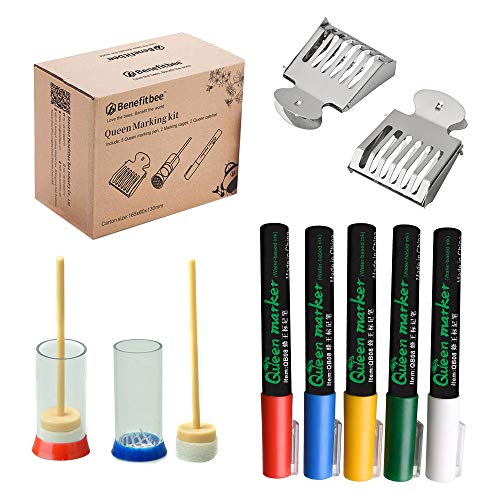
Queen Bee Biology: How a Queen Is Made, Mated, and Replaced
The complete queen file: how any young worker larva becomes a queen on a diet, why she emerges on day 16 while workers take 21 and drones 24, what happens on the mating flight at a drone congregation area, how one week of mating fuels a lifetime of egg laying, how she chooses to lay a worker or a drone, why her pheromone is the glue holding 50,000 bees together, how to read the three kinds of queen cells, and exactly what a failing queen looks like on the frame.
Updated Aug 202624 min read

How to Split a Hive: 3 Methods, Step by Step
The move that turns one colony into two, heads off a swarm, and replaces the queen you were going to have to buy anyway. Walk-away splits, splits with a mated queen, and nuc splits, with the frame recipe for each half, the forager drift problem nobody warns you about, and the 28-day clock to a laying queen.
Updated Aug 202621 min read
How to Prevent Swarming: The Levers, in Order
Swarming is not bad luck, it is arithmetic: congestion plus a strong flow plus an aging queen. Read the signal ladder from backfilling to charged cells, pull the levers in the right order, and understand why cutting queen cells is the one move that reliably fails.
Updated Aug 202620 min read
How to Combine Two Hives with the Newspaper Method
One strong colony beats two weak ones going into winter, and a sheet of newspaper is how you get there. Choosing which queen lives, dispatching the other, the merge itself, the fall deadline, and the two situations where combining is the worst thing you can do.
Updated Aug 202619 min read

European Foulbrood and Chalkbrood: The Recoverable Brood Diseases
Two of the three brood diseases a US beekeeper is likely to meet are not death sentences. European foulbrood twists larvae into discolored ruin before their cells are ever capped, and usually recedes when the colony gets a queen, a flow, or both. Chalkbrood turns brood into white mummies you find on the landing board, and answers to ventilation and better genetics. This is the identification and management guide, plus the field-sign table that separates both from the disease that does end in fire.
Updated Aug 202618 min read

The Best Royal Jelly and Propolis (2026)
Two hive products that are nothing alike: royal jelly is a milky secretion young workers make in their heads to feed larvae, and propolis is tree resin the bees collect and reprocess into hive glue. We compared four royal jelly products and three propolis tinctures on standardization, processing, and price, and explain what 10-HDA and alcohol-free actually mean on a label.
Updated Aug 202615 min read

Types of Honey Bees: Races and Breeds Compared
Italian, Carniolan, Russian, Buckfast, Caucasian, Saskatraz, and the Africanized bees you should know about but never buy: temperament, spring buildup, overwintering, and mite resistance for every stock an American supplier will offer you, honestly hedged as the general reputations they are, with a comparison table and a straight answer on what a beginner should actually order.
Updated Aug 202620 min read
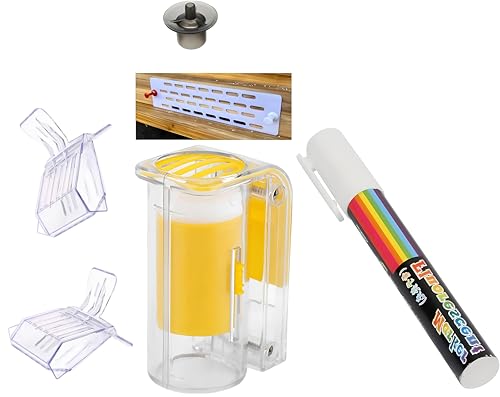
How to Requeen a Hive Without Losing the Colony
Every queen problem in beekeeping has the same fix and the same fear: replace her, and pray the colony agrees. The praying is optional. Requeening done by protocol, right diagnosis, clean dispatch, a caged introduction with a candy-release delay, and disciplined hands-off patience, succeeds most of the time, and the failures mostly trace to one of four impatience errors this guide names. Here is the whole craft, from reading a failing brood pattern to releasing a marked, accepted, laying queen.
Updated Aug 202620 min read

The Best Queen Rearing Kits (2026)
Raising your own queens is the skill that turns a beekeeper into a bee breeder: cheaper requeening, locally adapted stock, and a yard that never waits on a shipping label. We ranked the grafting kits, marking tools, and mating hardware that make backyard queen rearing work, and covered the grafting, starter-finisher, and color-code basics behind them.
Updated Aug 2026~14 min read
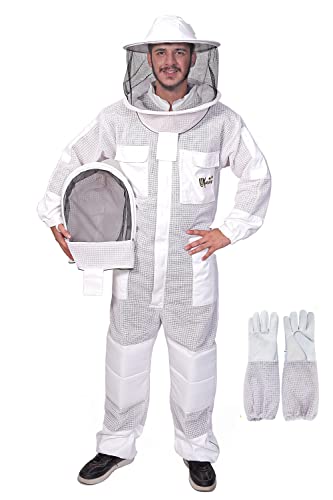
Our top-rated beekeeping gear
Whatever you decide, this is the gear we recommend: verified, researched, and ranked. Live price check on each.



As an Amazon Associate we may earn from qualifying purchases, at no cost to you.