Accessories
51 guides tagged Accessories

Winter Beekeeping: What to Do, and Mostly What Not to Do
Winter is the season where the best beekeepers do the least. The colony is a self-heating organism running on a fixed fuel budget you set in September, and almost every intervention available to you costs it heat it cannot spare. The real winter jobs are small: heft the hive monthly, keep the entrance clear, add emergency feed if it is light, keep condensation off the cluster, take the broodless mite shot if your region offers one, and spend the rest of the season ordering, building, and planning.
Updated Aug 202618 min read

The Best Honey Sticks and Straws (2026)
Honey sticks cost more per ounce than a jar and that is fine, because what you are buying is portability. We ranked four worth the money, showed you how to run the cost-per-ounce math yourself, and covered the resale angle for anyone selling honey at a market table.
Updated Aug 202612 min read

Summer Beekeeping: The Flow, the Harvest, and the Dearth
Summer is two seasons wearing one name. The first half is the main nectar flow, when a colony at peak population stores more honey than it will all year and your only real job is staying ahead of it. The second half is the dearth, when forage stops, the yard turns defensive, and everything you do has to be measured against the risk of starting a robbing frenzy. This is the working summer checklist for both halves.
Updated Aug 202618 min read
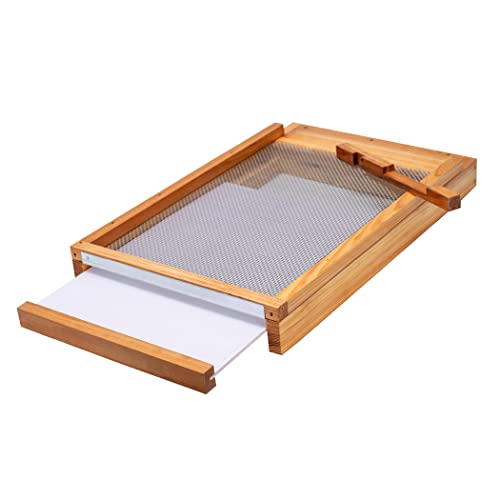
Screened vs Solid Bottom Boards: Which Should You Buy?
The floor of your hive is a $37 decision that gets argued about like a $500 one. Screened bottoms ventilate, let you count mites on a sticky board, and drop beetles out the back. Solid bottoms stop drafts. The answer for most of the United States is one board that does both, and here is why.
Updated Aug 202613 min read

The Best Kids Beekeeping Suits (2026)
A child's bee suit is not a costume, it is a closure system. We ranked three kids suits and the gear that goes with them, explained why you size by height rather than age, and stated the one safety rule that overrides every other consideration in this guide.
Updated Aug 202613 min read
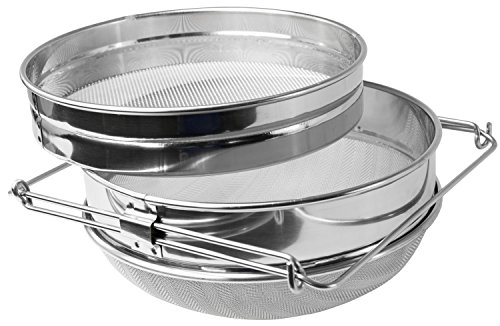
The Best Honey Strainers (2026)
A double sieve is a twenty dollar tool that decides how your honey looks in the jar. We ranked the five worth buying, explained what each mesh layer actually catches, and made the case for letting gravity and a warm room do most of the work instead of forcing honey through finer and finer screens.
Updated Aug 202614 min read

The Best Hive Covers and Inner Covers (2026)
The roof of a hive is two parts doing two different jobs, and beginners routinely run only one of them. We ranked five covers and cover sets, explained exactly why the inner cover exists, and made the case that winter colonies die of condensation far more often than they die of cold.
Updated Aug 202614 min read
The Best Bottom Boards (2026)
The bottom board is the cheapest part of a hive and the one that does the most diagnostic work. We ranked five screened boards, explained the sticky-board mite count that makes screens worth having, and covered beetle trays, winter inserts, mouse guards, and why beeswax dipping outlasts paint on the wettest board in the stack.
Updated Aug 202615 min read

The Best Bee Smoker Fuel (2026)
Smoker fuel is the cheapest thing in your kit and the one that decides whether your inspection is calm or chaotic. We ranked the four burlap and jute fuels worth buying, explained what separates cool white smoke from hot sooty smoke, and listed everything you should never put in a firebox.
Updated Aug 202613 min read

Urban Beekeeping: Rooftops, Small Yards, and Neighbors
City beekeeping is not backyard beekeeping with less grass. It is a different discipline built on four things: a flyway barrier that forces bees up over head height, a water source on your property, honest hive density, and neighbors who heard about the bees from you instead of from a sting. Here is the whole city playbook, including the rooftop logistics nobody warns you about.
Updated Aug 202619 min read

Pollination Services: How Renting Hives Actually Works
The honest picture of the other beekeeping revenue stream: how commercial pollination works with almonds as the anchor event that reorganizes the entire US industry every February, how hives are graded by frames of bees, what a local orchard or market garden contract really looks like for a hobbyist, the risks nobody puts in the brochure, the gear it takes to move colonies safely, and a straight verdict on whether it is worth it for a backyard beekeeper.
Updated Aug 202618 min read
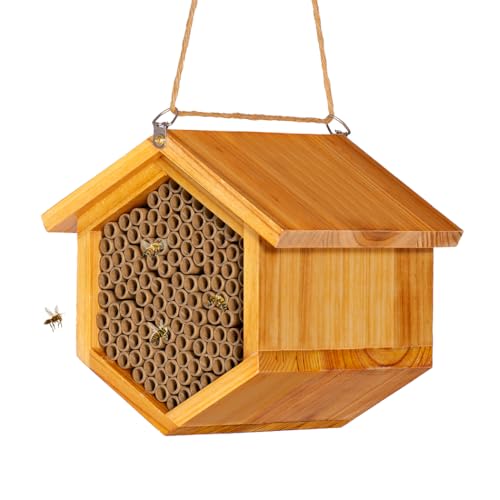
The Native Bees Guide: 4,000 Species Most People Never Notice
The United States has roughly four thousand native bee species, and the one on the honey jar is not among them. Here is the field guide the honey bee overshadows: bumble bees and the buzz pollination almonds and tomatoes depend on, mason and leafcutter bees in the cavities, mining and sweat bees underfoot, squash bees that show up in your zucchini before dawn, and carpenter bees in the deck rail. Plus the single most useful thing you can do for them, which costs nothing.
Updated Aug 202621 min read
Mason Bees vs Honey Bees: Which One Belongs in Your Yard
One is a native solitary insect that costs about sixty five dollars, takes four hours a year, almost never stings, and out-pollinates its rival blossom for blossom. The other is an imported livestock animal that costs several hundred dollars, takes dozens of hours, needs a suit and mite treatments, and makes honey. Here is the full head-to-head on cost, time, stings, pollination, equipment, regulation, and winter work, plus an honest verdict on who should keep which.
Updated Aug 202618 min read
How to Sell Honey: Rules, Labels, Pricing, and Where to Sell It
The honest business page for beekeepers with more honey than shelf space: how cottage food law generally treats honey and why you must verify your own state's rules rather than trusting any article, the federal label elements every jar needs, what raw and local can and cannot claim, the per-ounce pricing math that beats guessing, the real difference between farmers market and wholesale money, and the value-added ladder where the actual margin lives.
Updated Aug 202621 min read

How to Render Beeswax: From Cappings to Clean Blocks
Rendering is melting raw hive wax and filtering the debris out of it, and it is the difference between a bucket of sticky cappings and blocks you can sell, gift, or turn into candles and balm. The whole craft rests on one rule: beeswax is flammable, so it never touches direct heat. Here are the three methods, the filtering sequence, the yields to expect, and the mistakes that start fires.
Updated Aug 202618 min read
How to Raise Mason Bees: The Complete Year, Start to Finish
No hive, no suit, no smoker, no mite treatments, and no honey either. Mason bees are the gentlest way to put a serious pollinator in a backyard, and the entire practice fits into about four hours a year. Here is the full annual cycle: mounting the house in late winter, releasing cocoons at the right temperature, the mud source that decides everything, watching the nesting season, harvesting and washing cocoons in the fall, and refrigerating them until spring.
Updated Aug 202622 min read
How to Move a Beehive Without Losing the Bees
Three feet or three miles, and everything that rule actually means: why foragers fly back to a spot rather than to their family, the workarounds for a short move, how to strap and seal a hive that will not come apart in a truck bed, and why heat, not the drive, is what kills bees in transit.
Updated Aug 202619 min read

The Best Wax Moth Treatments (2026)
This is a small category with few good options, and we are going to say so. The best wax moth treatment in beekeeping is a chest freezer, which costs nothing per use and kills every life stage in 48 hours. Everything you can buy exists for the moment your comb inventory outgrows your freezer, and we ranked those honestly, including one product in this search that is not a wax moth treatment at all.
Updated Aug 202615 min read

The Best Uncapping Tanks (2026)
Everybody budgets for the extractor. Almost nobody budgets for the tank the frames get uncapped over, which is why so many first harvests happen above a wobbling bucket with cappings sliding off the counter. An uncapping tank catches the wax, drains the honey back out of it, and holds the frame steady while you work. We ranked five, from a $59 kit to a $664.70 stainless bench.
Updated Aug 202615 min read
The Best Solar Wax Melters (2026)
A solar wax melter is a glazed box that turns free sunshine into clean beeswax, which is a wonderful idea and an oddly hard thing to actually buy. Almost nothing purpose-built for solar rendering sells on Amazon, so this guide is honest about that: we cover the electric melters that dominate the category, the DIY plan for building the solar box yourself, and clean pellets for readers who want the wax without the project.
Updated Aug 202614 min read

The Best Royal Jelly and Propolis (2026)
Two hive products that are nothing alike: royal jelly is a milky secretion young workers make in their heads to feed larvae, and propolis is tree resin the bees collect and reprocess into hive glue. We compared four royal jelly products and three propolis tinctures on standardization, processing, and price, and explain what 10-HDA and alcohol-free actually mean on a label.
Updated Aug 202615 min read

The Best Raw Honey You Can Actually Buy (2026)
Raw, unfiltered, local: three words that mean much less on a label than shoppers assume. We ranked seven raw honeys you can buy today, from an $8.33 pantry jar to a small-batch Georgia honey at $18.90, on what the words legally mean, what crystallization actually tells you, and what each one costs per ounce.
Updated Aug 202615 min read

Best Mason Bee Tubes and Cocoons: What to Buy Every Year
Nesting tubes are a consumable, not a fixture, and treating them like one is the entire difference between hosting native bees and farming their parasites. Here are the refill packs worth buying, an honest comparison of cardboard, reed, wooden trays, and drilled blocks, plus how to source cocoons without shipping bees across the country, how to harvest and wash them in the fall, and the storage temperatures and release timing that get you a second generation.
Updated Aug 202617 min read
The Best Mason Bee Houses: 8 Tested Picks for Real Native Bees
A mason bee house is the rare garden purchase that either helps native bees or quietly kills them, and the difference is whether you can open it. Here are eight houses ranked on the criterion that matters most, replaceable nesting material, plus the hole diameter blue orchard bees actually want, the mounting height and direction that fill a house in one season, and the reason those pretty bamboo bundles at the garden center belong in the trash.
Updated Aug 202619 min read
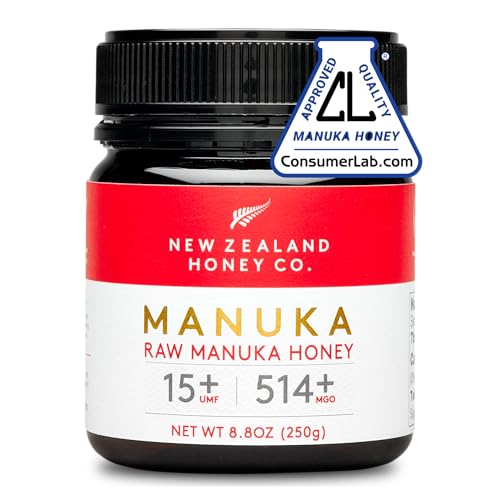
The Best Manuka Honey (2026): UMF Grades, Decoded
Manuka honey is the most confusing jar in the grocery store: UMF, MGO, KFactor, "bio active," and a price range from $18 to $56 for what looks like the same product. We ranked seven UMF-certified New Zealand manuka honeys and show you the math that tells you which grade is actually worth paying for.
Updated Aug 202616 min read

The Best Hot Honey (2026): Three Bottles, Tested Uses
Hot honey went from a Brooklyn pizzeria condiment to a supermarket staple in about a decade, and most of what is sold now is honey with chili flakes shaken in. We ranked the three worth buying, explain why vinegar is the ingredient that actually makes it work, and show you how to make a better version at home for a fraction of the price.
Updated Aug 202614 min read

The Best Honey Warmers and Decrystallizers (2026)
Crystallized honey is not spoiled honey, it is honey doing exactly what honey does. The question is how you turn it liquid again without cooking the aroma out of it. We narrowed the category down to three real answers, drew the temperature line at roughly 104F, and explained why the microwave and the stovetop are the two fastest ways to turn a prize crop into expensive syrup.
Updated Aug 202613 min read

The Best Honey Pots and Dispensers (2026)
A honey pot exists to solve one problem, which is the sticky ring the jar leaves on the counter. We compared the two competing answers, the classic ceramic pot with a wooden dipper and the no-drip valve dispenser, ranked six of them from a $6.09 ceramic jar to the $55.95 Le Creuset, and explained why your honey crystallizes and what to do about it.
Updated Aug 202613 min read

The Best Honey Gift Sets (2026), Tiered by Budget
Honey is one of the few gifts that works for almost anybody, costs what you want it to cost, and never ends up in a drawer. We ranked seven sets and honey pots from $14.99 to $59.00, sorted by budget, and matched each one to the person you are actually shopping for.
Updated Aug 202614 min read

The Best Carpenter Bee Traps (2026)
Carpenter bees drill perfectly round holes in bare softwood, then come back to the same board every spring. A well-placed trap turns that loyalty against them without a drop of spray. We ranked five traps that actually catch bees, explain exactly where to hang them, and say plainly when a trap is the wrong tool.
Updated Aug 2026~13 min read
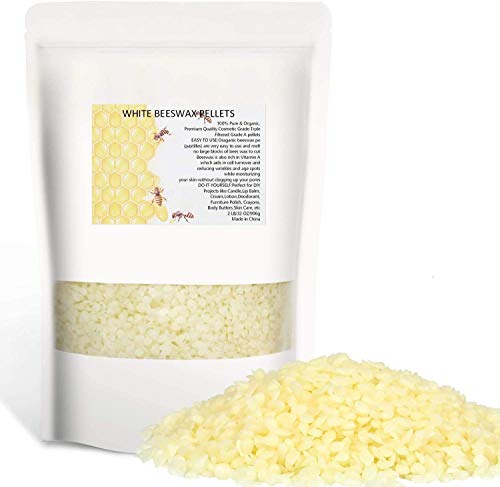
The Best Beeswax Pellets and Wraps (2026)
Pellets are beeswax that has been melted, filtered, and dropped into pea-sized pastilles so it melts fast and measures cleanly. Wraps are cotton coated in wax, jojoba, and tree resin so it clings to a bowl. We ranked four pellet brands and three wrap sets, explained white versus yellow and cosmetic versus craft grade, and covered how to bring a tired wrap back to life.
Updated Aug 202614 min read

The Best Beeswax Lip Balm and Soap Kits (2026)
A lip balm is three ingredients in a ratio, and a melt-and-pour soap bar is one ingredient plus a mold, which is why this whole category is really about whether you want the tubes, labels, and pipettes handed to you in a box. We ranked six kits and bases from $15.99 to $129.99, did the kit-versus-scratch arithmetic, and wrote down the ratios so you can skip the kit entirely if you want.
Updated Aug 202614 min read

The Best Bee Water Stations: 4 Picks That Bees Can Land On
Bees drown in open water, which is why a birdbath is a hazard and a saucer of pebbles is a lifeline. Here are four watering stations ranked on the only spec that matters, whether a bee can stand on dry ground while she drinks, plus how much water a colony really hauls in July heat, how to keep a station from becoming a mosquito nursery, where to put it so bees actually find it, and how to keep your bees out of the neighbor's swimming pool.
Updated Aug 202615 min read

The Best Bee Pollen Granules (2026)
Bee pollen is flower pollen that foragers packed with nectar and their own enzymes, scraped off at the hive door and dried. We compared five granule brands on drying method, moisture, sourcing, and price per pound, from a $19.99 pouch to a $31.99 two-pound bulk bag, and explain how to store it so it does not turn into a jar of clumped, fermented disappointment.
Updated Aug 202614 min read
The Best Bee Escape Boards (2026)
There are three ways to get bees out of a honey super: brush every frame one at a time, drive them down with a fume board and chemistry, or slide a $41 board under the super the evening before and let the colony walk itself out overnight. We ranked five escape boards, explained the one-way triangle maze that makes them work, and drew a hard line around the timing window that turns a clean harvest into a robbing incident.
Updated Aug 202614 min read

Beekeeping in Hot Climates: The Southern Playbook
Texas, Florida, Arizona, the Gulf, and southern California run a different beekeeping year: the hard season is summer, not winter. Shade and ventilation replace insulation, water becomes survival equipment, small hive beetles become a permanent tenant, and a nearly year-round brood cycle means varroa never gets a natural break. Here is the whole hot-climate management set.
Updated Aug 202620 min read

Beekeeping in Cold Climates: The Northern Playbook
Upper Midwest, Northeast, Mountain West, and the Canadian border run beekeeping on a short fuse: a compressed build-up window, a fall feeding deadline that does not move, and a five-month winter. Cold is not what kills colonies up here. Condensation, light stores, and August mites are. Here is the whole northern management set, in the order it actually matters.
Updated Aug 202621 min read
Beekeeping Classes and Certifications: How to Learn
The highest-value beekeeping education in America is not a certificate, it is the county association twenty minutes from your house and the mentor you meet there. This is the honest hierarchy: clubs first, a state association short course second, books alongside, online courses where they fit, and the apprentice-to-master certification ladder later, if at all.
Updated Aug 202618 min read

The Best Plants for Honey Bees: Seed Mixes and a Real Forage Plan
What to plant if you actually want to feed bees: the seed mixes worth buying, the nectar-versus-pollen distinction nobody explains, a bloom-succession plan that covers early spring through the fall gap, why one good tree beats your whole flower bed, what not to plant, and the pesticide fine print. Written by the desk that also does the honey math, because forage is where the honey comes from.
Updated Aug 202621 min read

The Best Robbing Screens and Entrance Reducers (2026)
A colony defends its entrance or loses everything through it. We ranked the robbing screens, entrance reducers, and mouse guards that turn a hive's front door from a liability into a checkpoint, and covered when dearth, fall, and moving day each demand different hardware.
Updated Aug 2026~13 min read

The Best Mead Making Kits (2026)
Mead is what a beekeeper's surplus honey wants to become: about three pounds per gallon, some yeast, and patience turn the harvest into the oldest drink there is. We ranked five one-gallon kits and the bucket setup that feeds them, from a $39.99 starter to the $79.99 deluxe rig, by equipment quality, sanitation coverage, and how likely the first batch is to be one you proudly pour.
Updated Aug 202615 min read
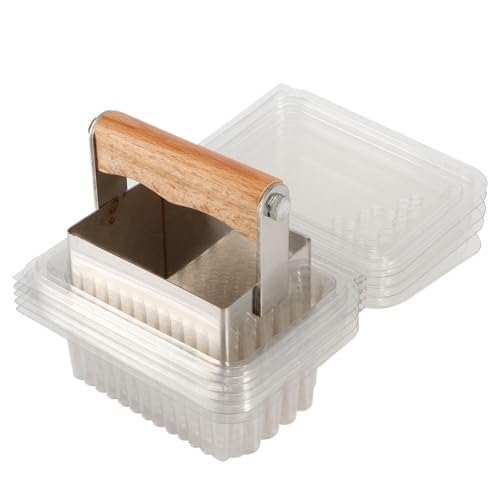
The Best Comb Honey Supplies (2026)
Comb honey is the highest-priced product a backyard hive can make and the only premium one that needs no extractor at all: the bees do the packaging. We ranked the cutters, clamshell boxes, foundation, and the super setup that turn a frame of new comb into $15-and-up retail squares, and we walk the cut-comb workflow that makes it repeatable.
Updated Aug 202614 min read

The Best Beeswax Candle Making Supplies (2026)
Every harvest leaves you a bag of cappings wax, and cappings wax is the cleanest, most valuable wax a beekeeper ever owns. We ranked seven kits, molds, sheets, and melters, from a $19.99 starter kit to the $57.90 rendering workhorse, by wax quality, wick fit, and whether the finished candle sells for what beeswax candles actually sell for.
Updated Aug 202615 min read

The Best Honey Jars and Labels (2026)
The jar is the only part of your operation the customer ever touches, and the difference between a $6 jar and a $12 jar at a farmers market is mostly packaging. We ranked nine jars and bottles and three label options, from a $0.67-per-jar sampler to the statement skep jar, by seal quality, per-jar cost, and how much premium the glass actually earns back.
Updated Aug 202617 min read

The Best Mite Monitoring Tools (2026)
Varroa mites kill more colonies than everything else beekeepers argue about combined, and the beekeepers who keep bees alive share one habit: they count. We ranked the wash testers that turn a half cup of bees into a number, explain the 2 to 3 mites per 100 bees threshold that number answers to, and cover the two treatments to reach for when counts cross it.
Updated Aug 202614 min read

The Best Swarm-Catching Gear (2026)
Free bees are real: every spring, colonies split and throw swarms, and the beekeeper with a baited trap, a catch box, and a lure in the truck gets a full colony for the cost of the gear. We ranked the traps, lures, vacuums, and hand tools that turn swarm season from a spectator sport into a supply chain, from a $5.99 brush to a $401.99 cordless bee sweeper.
Updated Aug 202615 min read

Mann Lake Pro Nuc Review (2026)
The Mann Lake Pro Nuc is the $38.81 plastic five-frame box that shows up everywhere serious beekeepers make splits, catch swarms, or move queens: molded in one piece, ventilated, with a locking lid that survives a truck bed. We review it against the wooden and two-pack alternatives, and map the jobs a good nuc box quietly does all season.
Updated Aug 202612 min read

The Best Gifts for Beekeepers (2026)
Shopping for a beekeeper is easier than it looks: the hobby runs on gear, the gear wears out, and there is a whole shelf of tools beekeepers love but rarely buy for themselves. We ranked twelve gifts across four honest budget tiers, from an $8.99 uncapping fork to the $449.99 electric extractor that changes harvest day forever, every one of them something a real beekeeper would actually use.
Updated Aug 202616 min read

The Best Oxalic Acid Vaporizers (2026)
Oxalic acid vapor is the cleanest knockout punch in varroa control, when the colony is broodless and the operator is protected. We ranked the three vaporizers we would actually run, from a $40 12V wand to the $299 cordless benefitbee, and included the honest alternative for beekeepers who would rather skip the hardware entirely.
Updated Aug 2026~13 min read

The Best Honey Harvesting Equipment (2026)
The extractor gets the glory, but harvest day is won and lost at the other stations: the knife that opens the cells, the strainer that catches the wax, the bucket gate that fills jars without a flood, and the $23 refractometer that proves your honey will not ferment. We ranked ten pieces of harvest gear in the order your honey meets them.
Updated Aug 202615 min read

The Best Beekeeping Tool Kits (2026)
Beekeeping runs on about five tools, and the kits run from nine pieces to thirty-five. We ranked the five kits and two standalone stalwarts we would actually carry to the hive, from the tote-organized BeeCastle 9-piece to a $6.95 pair of J-hooks that outworks half the mega kits, and we name exactly which pieces you will use weekly and which are box filler.
Updated Aug 202614 min read
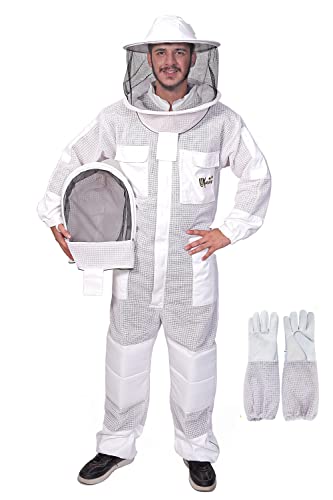
Our top-rated beekeeping gear
Whatever you decide, this is the gear we recommend: verified, researched, and ranked. Live price check on each.



As an Amazon Associate we may earn from qualifying purchases, at no cost to you.