Our Pick: Certan
Check PriceHow to Diagnose a Deadout: The Spring Autopsy
Answer first, because this is a page people read while standing in front of a dead hive: your job today is evidence, not cleanup. Photograph the cluster before you move anything, note where the dead bees are relative to the honey, look for mite frass and deformed wings, smell the brood frames, and only then start pulling boxes. The one purchase that follows almost every autopsy is protection for the comb you just inherited, because drawn comb is the most valuable thing in a dead hive and wax moths will find it within weeks: a biological control such as Certan B402 ($44.00), used exactly per label on stored comb, is the standard answer.
By The BeehiveKits Hive Desk2026-08-2921 min read Fact-checked against verified Amazon listingsHow we research
Colony losses are not rare and they are not a verdict on you personally. National surveys tracked by the Bee Informed Partnership have reported US annual colony losses in the range of roughly 40 to 50 percent in recent years, across hobbyist and commercial operations alike. What separates beekeepers who improve from beekeepers who lose the same colony every year is not luck. It is the twenty minutes spent reading the dead hive before the frames get scraped.
Most deadouts have a short list of causes and each leaves a distinct fingerprint. Starvation leaves bees head-first in empty cells. Cluster isolation leaves the same picture with honey two inches away. Varroa collapse leaves an almost empty box with full frames of honey and white mite frass in the brood cells. Queen failure leaves a small cluster and no brood going into winter. Moisture leaves mold, wet bees, and water stains. Robbing leaves torn cappings and wax crumbs everywhere. Mice leave a nest and shredded comb. Each of those points at a different change for next season, which is the entire point of the exercise.
One warning before you start, and the disclosure. If you find brown gluey remains under sunken, perforated cappings that rope out on a toothpick, and the frames smell like a hot glue pot, stop the autopsy: that is a suspicion of American foulbrood, the equipment does not get reused, and the call goes to your state apiary inspector, per the AFB guide. Disclosure, plainly: no brand paid for placement here, some links go to Amazon where a purchase may earn us a small commission at no extra cost to you, and prices were verified at publication.
What to know
- Do the autopsy before you clean. Cluster position relative to the stores is the single most informative thing in the hive, and it disappears the moment you start shaking frames.
- Bees head-first in empty cells means the colony ran out of reachable food. Honey elsewhere in the box means cluster isolation in a cold snap, not an empty pantry.
- A tiny cluster with plenty of stores points at queen failure or varroa-shortened lifespans rather than at starvation.
- White crystalline mite frass on the upper walls of brood cells, plus deformed wings among the dead, is a varroa collapse signature.
- Torn cappings and wax crumbs scattered across the bottom board are robbing, which usually happens after the colony died rather than causing the death.
- Drawn comb is the most valuable thing you inherit, unless there is any suspicion of American foulbrood, in which case nothing gets reused and the state gets a phone call.
- Freeze salvaged comb, then store it cool, dry, and lit, or protect it per label with a biological wax moth control.

Certan B402 Wax Moth Control for Stored Comb
Certan · 5 oz concentrate · biological control for wax moth larvae in stored honey bee comb · label-directed use
Our verdict: Drawn comb is the most valuable thing a dead colony leaves behind, and wax moths will find it. This is the standard biological option for protecting stored comb: applied per its label, it targets wax moth larvae without the residue problems that made older fumigant habits a bad idea. Freeze first, then protect.
The last step of every deadout autopsy is protecting the comb, because a stack of unguarded brood frames in a warm shed can be tunneled into ruin within weeks. Certan B402 ($44.00) is the familiar biological control in this category, a Bacillus thuringiensis based product for wax moth larvae in stored comb.
Use it exactly as its label directs, including dilution, application method, and any restrictions on treated comb. We publish no dosing, and the label is the authority. Pair it with the free step that does most of the work: 24 to 48 hours in a freezer to kill eggs and larvae already in the comb, then cool, dry, well-lit storage. The wider field is ranked in the wax moth treatment guide.
Who should buy it
Anyone storing drawn comb through a warm season, especially in the South, and anyone who just inherited several boxes of comb from a deadout.
What we don't like
It is a concentrate that requires mixing and careful label reading, it protects rather than rescues comb already infested, and it costs more than the freezer step that should precede it anyway.
- Type
- Biological wax moth control (listed)
- Size
- 5 oz concentrate (listed)
- Use
- Stored honey bee comb, per label
- Pair with
- Freezing comb 24 to 48 hours first
- Price
- $44.00
Pros
- Targets wax moth larvae in stored comb
- Biological control rather than a household chemical
- Protects the highest-value asset a deadout leaves
- One bottle covers a lot of comb when diluted per label
Cons
- Requires mixing and careful label compliance
- Does not save comb that is already destroyed

Mann Lake Varroa EasyCheck
Mann Lake · Two-chamber wash cup · marked fill line for a roughly 300-bee sample · alcohol wash or sugar roll
Our verdict: Varroa collapse is the most common cause of the deadout you are standing in front of, and it is diagnosed too late by definition. The fix is a five-minute wash every month from spring, so you act on a number in July instead of on an autopsy in March.
The frustrating thing about a varroa collapse is that the evidence arrives after the decision window closed. Mites damage winter bees as pupae in September, the colony dwindles through December, and you find out in March. The only escape from that sequence is counting, and the Mann Lake Varroa EasyCheck ($30.50) is the field standard for doing it: a half cup of nurse bees, alcohol to the line, agitate, count, divide by three.
If your autopsy turned up mite frass, deformed wings, or a large fall population that vanished, this is the purchase that changes next winter. Thresholds and timing live in the varroa timing guide, the tool field in the monitoring guide, and the mechanism in the virus guide.
Who should buy it
Every beekeeper, and especially anyone whose deadout showed mite frass, deformed wings, or a colony that emptied out with stores left behind.
What we don't like
It sacrifices the sampled bees, and it is useless retroactively: a wash on a dead colony tells you little, because the mites died with their hosts.
- Method
- Alcohol wash or sugar roll
- Sample
- About 300 bees (marked line)
- Cadence
- Monthly, spring through fall
- Role here
- Preventing next year's autopsy
- Price
- $30.50
Pros
- Turns the leading cause of loss into a measurable number
- Five-minute monthly habit
- Verifies whether treatments worked
Cons
- Sacrifices the sampled bees
- No diagnostic value on a dead colony

BeeCastle 10-Frame Beehive Candy Board
BeeCastle · 10-frame Langstroth candy board · solid winter feed above the cluster · assembled (listed)
Our verdict: If your autopsy read starvation or cluster isolation, this is the hardware answer. Syrup is useless once it is cold, and food two frames away might as well be in another county. A candy board puts solid feed directly above the cluster where the bees can reach it without breaking cluster.
Both flavors of the starvation verdict, an empty pantry and food the cluster could not reach, are solved by the same principle: put feed directly above the bees. A BeeCastle 10-frame candy board ($37.99) sits on the top box and gives a winter cluster something to move up into rather than out toward.
It is insurance rather than a feeding program: the real work happens in the fall, getting enough ripened stores into the box before it gets cold. But a candy board on a light hive in January is the difference between a colony you find alive in March and the one you are performing an autopsy on. The full solid-feed field, including fondant and dry sugar methods, is in the winter feed guide, and the fall plan is in the winterizing guide.
Who should buy it
Anyone whose deadout showed bees head-first in cells, anyone wintering colonies that came out of fall light, and anyone in a long cold winter climate.
What we don't like
It adds height and another gap to seal, a candy board on a colony that is already starving may be too late, and it is 10-frame sizing rather than universal.
- Fit
- 10-frame Langstroth (listed)
- Type
- Candy board for solid winter feed
- Placement
- Directly above the cluster
- Season
- Late fall through late winter
- Price
- $37.99
Pros
- Puts feed where a clustered colony can reach it
- Works when it is too cold for syrup
- Doubles as an upper moisture and space buffer
Cons
- 10-frame sizing only
- Insurance, not a substitute for fall stores

MayBee Winter Bee Hive Wrap
MayBee · Fits 10-frame and 8-frame hives · 600D listed shell · winter insulation wrap
Our verdict: A wrap does not heat a hive and will not rescue a colony that is short on bees or stores. What it does is reduce heat loss and the temperature differential that drives condensation, which addresses two of the most common deadout verdicts: cluster isolation in a cold snap, and death by dripping water.
Two of the verdicts on this page, cluster isolation and moisture, are both about the physics of a small warm body inside a cold thin-walled box. The MayBee winter hive wrap ($26.99) works on both by cutting wind load and reducing the differential across the hive wall, so the cluster spends fewer calories fighting weather and less of its moisture condenses on cold surfaces.
The standing caution: wrapping is not sealing. A wrapped hive still needs an upper vent or a notched inner cover, and a wrap plus a quilt box is the pairing that actually works in cold, wet country. It also has to come off at the right time in spring. Configuration details are in the winterizing guide and the field is compared in the stands and wraps guide.
Who should buy it
Northern and high-elevation keepers, exposed windy sites, anyone whose autopsy showed a cluster that starved beside its honey, and anyone overwintering smaller colonies or nucs.
What we don't like
It tempts beekeepers into sealing hives up, it must be removed at the right time in spring, and it does nothing whatsoever for a colony that is light on stores or short on bees.
- Fit
- 10-frame and 8-frame hives (listed)
- Material
- 600D shell (listed)
- Function
- Wind and heat-loss reduction
- Caution
- Keep upper ventilation open
- Price
- $26.99
Pros
- Reduces heat loss and wind chill on exposed sites
- Cuts the differential that drives condensation
- Fits both common box widths
- Cheap relative to a lost colony
Cons
- Invites the mistake of sealing the hive
- Does nothing about stores or population
Why the autopsy is worth twenty minutes
A dead hive is a written record. The colony was alive in October and dead by March, and the sequence of that failure is preserved in where the bees are, what they were touching, what they left uneaten, and what has moved in since. The reason to read it is not sentiment. It is that the same yard, the same equipment, and often the same management will produce the same result next winter unless something specific changes, and you cannot change the right thing until you know which thing it was.
The most common mistake is to conclude "they starved" from the presence of dead bees in cells and stop there. Starvation is nearly always a proximate cause with a real cause behind it: a colony too small to reach its stores because varroa shortened the lifespans of its winter bees, a cluster isolated by a cold snap with honey two frames away, a queen who failed in September so no winter bees were reared at all, or an autumn where the beekeeper misjudged the weight. Those four situations look similar from the top of the box and lead to four different fixes.
The second mistake is cleaning first. Bees get shaken out, frames get stacked in a new order, the bottom board gets scraped into the grass, and the evidence is gone in four minutes. Photograph first, read second, clean third.
Step one: the bottom board, before anything moves
The debris on the bottom board is a season in miniature and it costs nothing to read.
A deep layer of dead bees is normal in any deadout and by itself means little; bees die all winter and the living carry them down. Very few dead bees in a hive that had a large fall population is a loud finding: the bees left and did not come back, which is the classic varroa collapse pattern.
Wax cappings, chewed and scattered across the board and out onto the landing area is robbing evidence. Robbers tear cappings open and drop the wax, and the crumbs pile up like sawdust.
Mouse droppings, shredded comb, and nesting material answer their own question. So does the smell.
Silky webbing, tunnels through the debris, and cocoons in the corners are wax moths, which are almost always secondary; the full story is in the wax moth guide.
Small dark beetles and slimy comb point at small hive beetles, covered in the small hive beetle guide, which likewise mostly finish colonies rather than start them.
Mold on the board and up the walls, plus water staining, points at a moisture problem, which is one of the few causes you can eliminate outright with equipment.
Step two: where the cluster is, and how big
The cluster is the single most informative object in the hive. Two dimensions matter: where it sat, and how big it was.
Cluster jammed against the inner cover, empty comb below. The colony ate its way up and ran out of ceiling. Classic starvation in a hive that did not have enough stores or had them in the wrong place.
Cluster off to one side or the front, capped honey on the far side of the box. Cluster isolation. The colony had food and could not reach it, because moving across cold comb in a hard freeze kills bees. This is a different failure from starvation and it has different fixes.
Cluster in the middle with capped stores all around, small. Not a food problem at all. The colony dwindled below the size it needed to keep itself warm, which points at queen failure in the fall, at winter bees damaged by varroa, or at both.
Large cluster, dead in place, honey adjacent. Suspect an acute event: a hard sudden cold snap, a soaking, a pesticide event, or a colony that got wet and chilled.
For size, use fruit. A softball-sized cluster in January was already failing in November. A cantaloupe or larger cluster was a viable colony that hit something. The distinction between "it dwindled" and "it died all at once" is most of the diagnosis, and it is why we ask you to note the size before the frames get moved.
Bees head-first in cells: starvation and its two flavors
Bees with their heads down in empty cells and abdomens sticking out is the most recognized sign in beekeeping, and it is genuinely diagnostic of starvation: those bees died crawling into cells looking for the last traces of food. What it does not tell you is why the food ran out, and that is the question that matters.
Flavor one: the pantry was empty. No capped stores anywhere in the box. The colony went into winter too light, or a long warm fall let them eat through reserves, or the beekeeper harvested too much. The fix is weight: know what a wintering hive should weigh in your region, heft the back of the hive through the winter, and feed solid feed when it gets light. Candy boards, fondant, and dry sugar are the tools for that, because syrup is useless once it is cold; the options are in the winter feed guide and the emergency version is a candy board like the BeeCastle 10-frame candy board ($37.99) set directly over the cluster.
Flavor two: the food was there and they could not get to it. Capped honey on the outside frames, or in the box above, with a starved cluster below or beside it. In a hard freeze bees will not break cluster to cross cold comb, so a colony can starve inches from food. The fixes are structural: consolidate stores next to and above the cluster in the fall rather than leaving them at the edges, keep the colony compact enough to hold heat, reduce heat loss with a wrap such as the MayBee winter hive wrap ($26.99), and put emergency feed directly above the cluster where a colony can reach it without traveling. The whole configuration is in the winterizing guide.
A small cluster with full frames: queen failure or mites
When the box still holds capped honey and the dead cluster is the size of a softball, the colony did not run out of food. It ran out of bees. Two causes dominate.
Queen failure in the fall. A colony that lost or superseded its queen in late summer, or whose queen simply stopped laying well, never reared an adequate generation of winter bees. The evidence: no brood at all in the fall inspection you may or may not have done, a very small population in October, sometimes a dead queen in the cluster, sometimes drone-laying patterns on old comb. The fix is a fall queen check as part of winter prep, and requeening on a schedule rather than after a failure; see the requeening guide.
Varroa-shortened winter bees. This is the more common answer and the more painful one, because it is invisible in October. Winter bees are reared once, around September, and mites feeding on those pupae while injecting deformed wing virus produce adults with a fraction of the intended lifespan. The colony looks fine at the last inspection, dwindles steadily through December, and is a fistful of bees by January, with honey untouched and very few mites left to find because the mites died with their hosts. That last detail traps people: a low mite count in a dead hive does not exonerate varroa. The mechanism, mites feeding on winter-bee pupae while vectoring viruses, is the one every major program organizes its advice around, including the Honey Bee Health Coalition's varroa management resources.
To distinguish them, look at the brood comb from last fall for mite frass and at the dead bees for deformed wings, and be honest about your monitoring records. If you did not count mites in August, varroa is the leading hypothesis by default. The mechanism is laid out in the virus guide and the timing in the varroa timing guide. Next season, the fix costs five minutes a month with a Mann Lake Varroa EasyCheck ($30.50).
The varroa collapse signature, in detail
A varroa collapse looks wrong in a specific way that is worth memorizing, because it is the most common cause of death in US hobby apiaries and it is routinely misfiled as starvation or "they just disappeared."
The population is missing rather than dead. A colony that had eight frames of bees in September leaves a small cluster and a surprisingly thin layer of dead bees on the board. Sick bees drift out and die away from the hive.
Stores remain. Frames of capped honey, sometimes most of the winter's supply, untouched.
Mite frass in the brood cells. Angle a fall brood frame into direct light and look at the upper cell walls for small white crystalline specks. That is mite waste, and it is direct evidence of reproduction under the cappings.
Deformed wings among the dead. Crumpled, stunted wings on bees in the cluster or on the board.
Spotty last brood. The final brood patch is scattered, with perforated and sunken cappings and larvae dead at various stages, which is parasitic mite syndrome and is the picture most often mistaken for foulbrood. It does not rope. If it ropes, go to the AFB guide immediately.
Actual mites visible on dead bees or in the debris, though their absence proves nothing.
The change this diagnosis demands is not a product. It is a calendar: monthly alcohol washes from spring, a treatment at 2 to 3 mites per 100 bees, an August or late-July knockdown before winter bees are reared, a verification recount, and fall counts to catch reinvasion.
Moisture, mold, and the cold wet death
Bees survive cold. They do not survive cold water dripping on them. A hive with poor ventilation condenses the cluster's own moisture on the underside of the lid and rains it back down, and a soaked cluster in January is finished.
The evidence: wet, matted dead bees, mold on comb, frames, and the bottom board, water staining down the inside walls, ice on the inner cover on the day you open it, and sometimes a slimy layer over the whole bottom board. Distinguish this from the mold that grows on any dead hive over several weeks of spring weather, which is normal and means little on its own; extension programs such as the University of Minnesota bee health program put ventilation and moisture control at the center of northern wintering advice for exactly this reason. Moisture as a cause of death is indicated when the wetness is in and around the cluster and the colony was otherwise adequately stocked.
The fixes are hardware and siting, and they are cheap relative to a colony. An upper vent or a notched inner cover gives humid air an exit. A quilt box absorbs moisture above the cluster. A wrap such as the MayBee winter hive wrap ($26.99) reduces the temperature differential that drives condensation and cuts wind load, with the standing caution that a wrapped hive still needs ventilation. Tilting the hive very slightly forward drains condensate out the entrance instead of onto the frames. The site itself matters as much as any of it, per the placement guide, and the whole configuration is in the winterizing guide.
Robbing after death, and telling it from robbing as a cause
Chewed, ragged cappings and a scatter of wax crumbs across the bottom board and landing area mean the hive was robbed out. The important question is whether that happened before or after the colony died, because the answers are opposite.
Robbing after death is the usual case and is not a cause of anything. A colony dies in December, warm days in February bring foragers from strong hives, and they strip the stores in a week. The signature is torn cappings and wax crumbs with a colony whose other evidence points elsewhere, plus stores that vanished later than the bees.
Robbing as a cause happens in late summer and fall dearth, not midwinter, and it kills weak colonies outright, often with dead bees showing fighting damage at the entrance and a colony emptied of stores in early autumn. If a colony was strong in July and empty in September, robbing belongs on the list, together with the mite reinvasion that robbing brings with it.
Prevention is entrance management: reducers and robbing screens during dearth and after any colony in the yard weakens, per the robbing screen guide. And the corollary for the yard: a dead hive full of honey left standing open is a robbing magnet and a disease vector, so close it up or break it down promptly.
Mice, wax moths, beetles, and other tenants
Mice move into hives in the fall when the cluster contracts, chew out a cavity in the comb, and build a nest of grass and shredded wax, usually in a corner of the bottom box. They rarely kill a strong colony but they wreck frames and stress a weak one. The evidence is unmistakable and so is the smell. The fix is a mouse guard or a reduced entrance installed before cold weather, not after, and the broader predator picture is in the apiary predators guide.
Wax moths are the most misunderstood finding in any deadout. Silky webbing, tunnels through comb, and cocoons chewed into the woodenware look like the cause of death, and they almost never are. Wax moth larvae destroy comb that no colony is defending, so their presence means the colony was already dead or hopelessly weak. Blaming the moths is how a beekeeper avoids the actual diagnosis. See the wax moth guide for the full biology and the wax moth treatment guide for stored comb protection.
Small hive beetles can genuinely finish a weak colony, and in warm regions they can turn a deadout into a slimy, fermenting mess within days. Slimed frames smell of rotting oranges and are usually not worth saving. Details in the small hive beetle guide.
Ants, earwigs, and spiders in a dead hive are scavengers with no diagnostic meaning at all.
Dysentery streaks, and what they actually indicate
Brown or yellow streaking on the frames, the top bars, and the inside walls of a dead hive is common and gets over-read. Streaking is dysentery, which means the bees were confined too long without a cleansing flight, or were eating stores high in water and indigestible solids, such as fermented syrup or honeydew honey. It is a real finding about the colony's winter, and it is very rarely the primary cause of death.
It also is not a diagnosis of nosema, despite decades of beekeepers treating it that way. Nosema is a microsporidian parasite of the adult bee gut, it requires a microscope to confirm, and the species now dominant in much of the US frequently produces no streaking at all. The full separation is in the nosema and dysentery guide, including how to sample properly if you want a real answer.
What streaking should change: your fall feeding plan, so stores go in early enough to be ripened and capped; your moisture setup, so stores do not ferment in a wet hive; and your siting, so the colony gets morning sun and takes cleansing flights on marginal days.
The finding that stops the autopsy
Everything above assumes an ordinary deadout. One finding is not ordinary. If the brood comb has sunken, greasy, perforated cappings, if opening those cells reveals brown gluey remains with no bee shape left, if a toothpick ropes out a brown thread an inch long, if the frames carry a hot glue pot smell, or if there is hard dark scale glued to the lower cell walls that will not lift out, then stop.
Do not shake the frames out. Do not stack the boxes with your other equipment. Do not leave the hive open where it can be robbed. Do not offer the comb to a new beekeeper. Scorch or scrub your hive tool and change gloves before you open another colony, close the hive up, and call your state apiary inspector. American foulbrood is reportable in many US states, its spores stay viable in comb and woodenware for decades, and burning the infected combs is the standard resolution in most states. The complete protocol, including the rope test and what an inspection visit involves, is in the American foulbrood guide.
The decision tree, on one table
| What you see | Most likely cause | What to change |
|---|---|---|
| Bees head-first in cells, no stores anywhere | Starvation: went into winter light | Winter weight targets, heft monthly, emergency solid feed |
| Bees head-first in cells, capped honey elsewhere in the box | Cluster isolation in a cold snap | Consolidate stores over and beside the cluster; wrap; feed above the cluster |
| Small cluster, stores untouched, no brood last fall | Queen failure in late summer | Fall queen check; requeen on a schedule |
| Small cluster, stores untouched, mite frass and deformed wings | Varroa collapse | Monthly washes; treat at threshold; own the August window; verify |
| Big population in fall, nearly empty box in winter, few dead bees | Varroa collapse, late stage | Same as above, plus fall counts for reinvasion |
| Wet matted bees, mold, water stains, ice on the cover | Moisture and chill | Upper vent, quilt box, wrap, forward tilt, better site |
| Torn cappings, wax crumbs everywhere, stores gone | Robbed out, usually after death | Close deadouts promptly; entrance reducers and robbing screens in dearth |
| Nest of grass and shredded comb in a bottom corner | Mice | Mouse guard installed before cold weather |
| Webbing, tunnels, cocoons in the woodenware | Wax moths, secondary | Find the real cause; protect stored comb afterward |
| Slimed frames smelling of rotting fruit | Small hive beetles finishing a weak colony | Beetle traps, strong colonies, sunny sites |
| Streaking on frames and walls | Dysentery: confinement or poor stores | Earlier fall feeding, drier hive, better site; sample for nosema if colonies dwindle |
| Ropy brown remains, sunken perforated cappings, glue-pot smell | Suspect American foulbrood | Stop. Sanitize tools. Do not reuse. Call the state apiary inspector. |
Most real deadouts are two rows of this table stacked: a varroa collapse that finished as a starvation, or a moisture problem that ended as a cluster isolation. Write down both, and change both.
What to salvage: drawn comb is the inheritance
Absent any AFB suspicion, a deadout leaves you the single most valuable asset in beekeeping: drawn comb. A colony given drawn comb builds faster, stores sooner, and is far more likely to make surplus honey in its first season than one starting on foundation, because drawing comb costs a colony an enormous amount of nectar and time. A package installed onto drawn comb in April is a different animal from one installed onto bare foundation.
Keep: clean drawn brood comb, capped honey frames, pollen frames, and all the woodenware. Frames of capped honey are next winter's insurance and next spring's feed.
Cull: comb that is black and heavy with cocoons, comb that is moldy through rather than surface dusted, comb slimed by hive beetles, comb crushed by mice, and any comb you cannot identify with confidence. Old brood comb was on the rotation list anyway; the frames go to the wax rendering guide and the wax is worth something.
Clean: scrape the boxes, bottom boards, and inner covers of propolis, dead bees, and mold. A stiff brush and a scraper will do it, and a light scorch of the interior is cheap insurance on any hive whose history you are unsure of. Mold on comb usually gets cleaned up by the next colony and is not a reason to discard an otherwise good frame.
Do not: feed honey frames from a colony with an unexplained disease picture to another colony, and do not give comb away to another beekeeper until you know what killed the hive.
Storing salvaged comb so wax moths do not eat your inheritance
The moment a colony stops defending comb, wax moths start looking for it. Larvae tunnel through comb eating wax, cocoon debris, and pollen, and a stack of unprotected brood frames in a warm shed can be ruined in a few weeks. Protecting salvaged comb is the last step of every deadout autopsy.
Freeze first. Twenty-four to forty-eight hours in a freezer kills wax moth eggs and larvae in the comb you are storing. This is the single most effective step and it costs nothing but freezer space.
Store cool, dry, and light. Wax moths hate cold, light, and airflow. Frames stored in a cold shed over a northern winter are effectively safe. Stacked boxes crisscrossed so air and light pass through, or frames stored in a well-lit space, do much better than a sealed dark stack.
Use a biological control per label. For long storage in warm regions, the standard tool is a Bacillus thuringiensis based product applied to comb. Certan B402 ($44.00) is the familiar option in this category, used exactly as its label directs on stored comb. Follow the label for dilution, application, and any restrictions; we publish no dosing here, and the label outranks this page.
Do not use household mothballs. Naphthalene mothballs are not a legal or safe treatment for beekeeping equipment, and they contaminate wax. If you use any registered fumigant product for stored comb, use only a product labeled for that purpose, exactly as its label directs.
Full options, tradeoffs, and the biology behind them are in the wax moth treatment guide and the wax moth guide.
Write the verdict, then change one thing
Finish the autopsy in the notebook, not in your head. The entry that is worth writing looks like this: date, cluster size and position, stores remaining and where, mite evidence, moisture evidence, scavengers present, smell, and a one-sentence verdict. Then, underneath, the change: "count mites monthly starting in April and treat in the first week of August," or "add a quilt box and a wrap before Thanksgiving," or "check for a laying queen in the second week of September."
One change, executed, beats five resolutions. And there is a version of this that is worth saying plainly: national loss figures reported by the Bee Informed Partnership have run around 40 to 50 percent annually in recent years, so losing a colony puts you in the company of most beekeepers in the country, including the professionals. What is not normal, and what this page exists to prevent, is losing the same colony to the same cause three winters running because nobody read the frames.
Then get the equipment ready. Clean boxes, frozen and protected comb, and a plan for bees in spring, from the buying bees guide, from a split off your surviving colony per the splitting guide, or from a swarm you catch. Drawn comb and a diagnosis are a good position to start a season from, which is the most useful thing a dead hive can leave you.
How to Perform a Deadout Autopsy
- 1
Work the hive before you disturb it
Approach on a dry day with a camera, a notebook, and an empty box to stack frames into. Photograph the entrance, the bottom board, and the top of the frames before anything moves. Position is evidence, and it is the first thing destroyed by tidying up.
- 2
Read the bottom board
Pull the bottom board or slide out the tray and look at the debris. Piles of dead bees, wax cappings chewed and scattered, mouse droppings or nesting material, wax moth webbing, hive beetle larvae, and mold each mean something specific, and this is the cheapest information in the hive.
- 3
Find the cluster and note exactly where it is
Was the cluster at the top of the box, at one side, at the front, or in the middle? A cluster jammed against the inner cover with empty comb below it starved upward. A cluster off to one side with honey on the far side got isolated by cold.
- 4
Measure the cluster, roughly
Softball, grapefruit, cantaloupe, two frames, six frames. A large cluster that died all at once suggests a sudden event such as cold, wet, or starvation. A tiny cluster suggests it dwindled over weeks, which points at queen failure or mite-shortened bee lifespans.
- 5
Check the stores against the cluster
Are there capped honey frames left in the box? Are they touching the cluster or two frames away? Hold frames to the light and heft them. Stores left behind change the diagnosis completely, because a colony that starved with food in the box died of cold or of dwindling, not of an empty pantry.
- 6
Look at the dead bees themselves
Bees head-first in cells with their abdomens sticking out means starvation. Deformed, crumpled wings mean deformed wing virus and a mite history. Shiny hairless black bees suggest chronic paralysis virus. Wet, matted bees suggest condensation. A dead queen among them answers a different question entirely.
- 7
Angle the brood comb into the light
Look at the upper walls of the brood cells for mite frass, small white crystalline deposits. Look for dead brood at odd stages, sunken and perforated cappings, chalk mummies, or a spotty pattern. This is where varroa collapse and brood disease declare themselves.
- 8
Smell the brood frames
A sour, penetrating glue-pot smell is a stop signal. Test a few sunken cells with a toothpick: if the remains rope out into a long brown thread, close the hive, sanitize your tools, and call your state apiary inspector before touching another colony.
- 9
Write the verdict and the change
In your notebook, record the date, the cluster size and position, stores remaining, mite evidence, moisture evidence, scavengers, and your best single-sentence cause. Then write the one thing you will do differently next season. A verdict without a change is a story you will tell again next March.
- 10
Triage the equipment
Absent any AFB suspicion, freeze the comb you are keeping for 24 to 48 hours to kill wax moth eggs and larvae, scrape and clean the boxes, and store the comb cool, dry, and protected. Comb is the asset the dead colony leaves you, and it is what makes the next colony build twice as fast.
More gear worth comparing
Beyond this guide: the highest-rated gear across every category and budget, with a live price check on each.

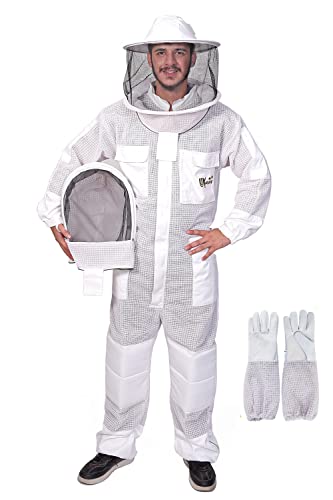


As an Amazon Associate we may earn from qualifying purchases, at no cost to you.
Quick shop: every pick
Skip the scroll: the whole lineup, with a live price check on each.
- Certan B402 Wax Moth Control for Stored CombProtecting the Comb You Just InheritedCertan · $44.00Check Price
- Mann Lake Varroa EasyCheckMaking Sure This Autopsy Is the Last OneMann Lake · $30.50Check Price
- BeeCastle 10-Frame Beehive Candy BoardThe Starvation Verdict, Fixed Next WinterBeeCastle · $37.99Check Price
- MayBee Winter Bee Hive WrapThe Moisture and Cold VerdictsMayBee · $26.99Check Price
Key terms
- Deadout
- A hive whose colony has died. The frames, cluster position, and remaining stores form a readable record of how it happened, which is why the autopsy comes before the cleanup.
- Cluster isolation
- A colony starving with honey still in the box, because bees will not break cluster to cross cold comb in a hard freeze. Distinguished from ordinary starvation by capped stores remaining a frame or two away from the dead cluster.
- Mite frass
- Small white crystalline deposits left by varroa on the upper walls of brood cells, visible when a frame is angled into light. Direct evidence that mites reproduced under the cappings, and a key finding in a varroa collapse autopsy.
- Winter bees
- The long-lived, fat-bodied generation reared around September that carries a colony to spring. They are reared once, and mites feeding on them as pupae shorten their lives, which is the mechanism behind most midwinter dwindling deaths.
- Robbed out
- A hive stripped of stores by bees from other colonies, leaving chewed cappings and wax crumbs on the bottom board and landing area. In deadouts it usually happens after death and is evidence rather than cause.
- Drawn comb
- Comb the bees have already built out on foundation. The most valuable asset a deadout leaves behind, because a new colony given drawn comb builds and stores far faster than one starting on bare foundation.
- Wax moth
- A scavenging moth whose larvae tunnel through unprotected comb. In a deadout they are almost always secondary, arriving after the colony could no longer defend itself, so webbing is a finding rather than a cause of death.
- Rope test
- The field test for American foulbrood: a toothpick stirred into the brown remains in a sunken capped cell draws out an elastic brown thread an inch or more long. A positive result stops the autopsy and starts a call to the state apiary inspector.
Questions, answered
why did my beehive die over winter
The short list is varroa collapse, starvation, cluster isolation with honey still in the box, queen failure in the fall, moisture and chill, and occasionally robbing or mice. Each leaves a distinct fingerprint in cluster position, remaining stores, and the state of the brood comb, which is why an autopsy before cleanup is worth twenty minutes.
what does it mean when dead bees are head first in cells
It means starvation: those bees died crawling into cells searching for the last food. The important follow-up is whether there is capped honey anywhere else in the box. No stores anywhere means the colony went into winter too light. Stores a frame or two away means cluster isolation, where the bees could not cross cold comb to reach food.
my hive died with honey still in it, why
Most often varroa collapse or queen failure, both of which kill by reducing the number of bees rather than the amount of food. Cluster isolation in a hard freeze produces the same picture. Check the brood comb for white crystalline mite frass, look for deformed wings among the dead, and note how far the cluster was from the nearest capped honey.
how do i know if varroa killed my hive
Look for a small cluster or a nearly empty box with stores left behind, very few dead bees relative to the fall population, white mite frass on the upper walls of brood cells, deformed and stunted wings on dead bees, and a spotty final brood patch with perforated cappings. A low mite count in the dead hive proves nothing, because the mites died with their hosts.
can i reuse frames from a dead hive
Usually yes, and you should: drawn comb is the most valuable thing a deadout leaves you, and a new colony on drawn comb builds far faster. Cull comb that is black and heavy, moldy through, slimed by hive beetles, or chewed by mice. The one absolute exception is any suspicion of American foulbrood, in which case nothing gets reused and you call the state apiary inspector.
is mold in a dead beehive a problem
Usually not for the next colony. Mold grows readily on comb in a hive with no bees to keep it dry, and bees typically clean up surface mold. Mold matters as evidence: heavy mold with water staining and wet, matted dead bees points at a moisture problem you should fix with ventilation, a quilt box, a wrap, and a better site. Comb that is moldy through rather than dusted gets culled.
did wax moths kill my hive
Almost certainly not. Wax moth larvae destroy comb that no colony is defending, so webbing and tunnels mean the colony was already dead or too weak to protect its comb. Treat them as a finding that tells you the hive has been dead a while, and keep looking for the real cause in the cluster, the stores, and the brood comb.
how do you store drawn comb over winter
Freeze frames 24 to 48 hours first to kill wax moth eggs and larvae, then store them cool, dry, and with light and air rather than sealed in a warm dark stack. In cold climates an unheated shed does the job on its own. In warm regions, add a biological wax moth control applied to stored comb exactly as its label directs, and never use household mothballs on beekeeping equipment.
what should i do if i think my dead hive had foulbrood
Stop the autopsy. Do not shake out frames, do not stack the boxes with clean equipment, and do not leave the hive open to robbing. Scorch or scrub your hive tool and change gloves before opening another colony, then call your state apiary inspector. American foulbrood is reportable in many US states and its spores survive in comb for decades, so an inspector should see it before anything moves.
how common is it to lose a beehive over winter
Common. National surveys tracked by the Bee Informed Partnership have reported US annual colony losses around 40 to 50 percent in recent years, across hobbyists and commercial operations alike. Losing a colony does not mean you are a bad beekeeper. Losing the same colony to the same cause three winters running means nobody read the frames.
Filed under Explainer
Part of Hive Health
Keep reading
Bee Viruses and Deformed Wing
The most common verdict on this page, explained: how mites damage winter bees months before the colony dies.
American Foulbrood
The one finding that stops the autopsy: the rope test, the reporting requirement, and why the comb is not salvageable.
Nosema and Dysentery
What the brown streaking inside a dead hive does and does not tell you, and how to sample properly.
How to Winterize a Beehive
The fall protocol that prevents most of the verdicts here: weight, moisture, wind, and mice.
The Best Wax Moth Treatments
Protecting the drawn comb you just inherited, from freezing to label-directed biological control.
When to Treat for Varroa
The calendar that prevents the varroa collapse autopsy: monthly counts and the late-summer window.