The Archive
136 guides · page 7 of 12

Bee vs Wasp vs Hornet: How to Tell What You Are Looking At
Ten insects people call bees, sorted out for good. What each one looks like, what it nests in, whether it can sting you more than once, what it actually eats, and what you should do about it. Including the single most useful fact in this whole guide: the thing at your soda can in August is almost never a honey bee.
Updated Aug 2026~16 min read

Bee Viruses and Deformed Wing: Why Mites Are the Real Fight
There is no antiviral you can put in a beehive. Deformed wing virus, the paralysis viruses, sacbrood, and black queen cell virus are present in most colonies at low levels and stay quiet until something amplifies them, and in the United States that something is almost always varroa. This is the field guide to what viruses look like in your bees, and the argument, backed by extension and the Honey Bee Health Coalition, that your virus management program is your mite management program.
Updated Aug 202619 min read
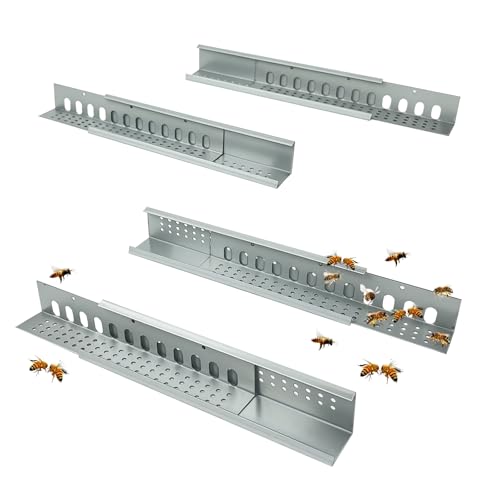
Apiary Predators: Mice, Skunks, Bears, and the Rest
Everything bigger than a beetle wants something from your hives, and each one leaves a different signature at the entrance. This is the full field guide to reading that evidence and answering it: mouse guards before the first frost, raised stands and tack strips for the night scratchers, electric fencing for bears because nothing else works, and the fall yellowjacket pressure that finishes weak colonies.
Updated Aug 202620 min read
American Foulbrood: Signs, Reporting, and What Happens Next
AFB is the one honey bee disease that ends with a fire and a phone call. It is caused by a spore-forming bacterium that survives in old comb and hive parts for decades, it kills brood faster than a colony can replace it, and in much of the United States it is reportable to a state apiary inspector. This is the field guide: the signs in the order you meet them, the rope test done properly, what your state will likely require, and the prevention rule that stops nearly every case before it starts.
Updated Aug 202619 min read
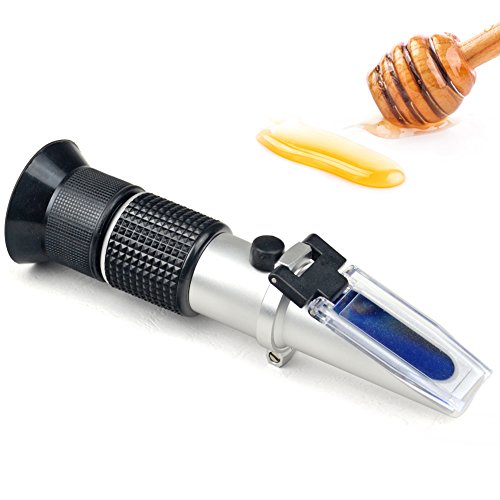
How Bees Make Honey: From Nectar to Capped Comb, Step by Step
The whole transformation, honestly told: how foragers find and haul nectar, what actually happens in the honey stomach, the enzyme chemistry hedged in plain English, the fanning shift that dries a flower's sugar water down to 17 or 18 percent moisture, the wax cap that seals the deal, why the result essentially never spoils, and how much of it a colony makes versus how much a beekeeper can fairly take.
Updated Aug 202619 min read

The Best Plants for Honey Bees: Seed Mixes and a Real Forage Plan
What to plant if you actually want to feed bees: the seed mixes worth buying, the nectar-versus-pollen distinction nobody explains, a bloom-succession plan that covers early spring through the fall gap, why one good tree beats your whole flower bed, what not to plant, and the pesticide fine print. Written by the desk that also does the honey math, because forage is where the honey comes from.
Updated Aug 202621 min read
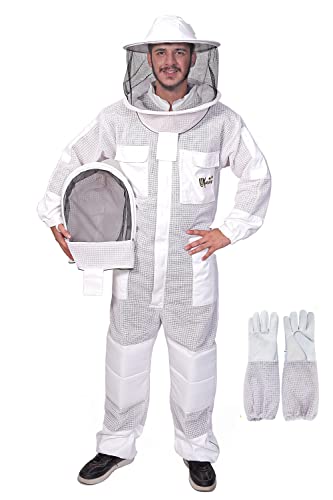
Bee Sting Safety: Reactions, First Aid Basics, and Real Prevention
The honest version of the sting talk: what a normal reaction looks like, what a large local reaction is, which symptoms mean call 911 now, how to get a stinger out (scrape, never pinch), what sting immunity folklore gets wrong, and why a ventilated suit and a lit smoker prevent more problems than any remedy treats. Informational only: your doctor, not a gear site, is the authority on your body.
Updated Aug 202618 min read

The Beekeeping Glossary: 90+ Terms Every Beekeeper Should Know
Every word your mentor, your club, and your first beekeeping book will throw at you, defined in plain English and organized the way the apiary actually works: the colony, the hive, the gear, the biology, the diseases, the honey, and the jobs. Bookmark it, search it, and stop nodding along at club meetings.
Updated Aug 202628 min read

The Beehive Placement Guide: Where to Put Your Hive
The complete siting playbook: sun and shade by climate, the truth about facing entrances southeast, windbreaks and winter exposure, why a water source within flight range keeps you out of the neighbor's pool, flight path management with a simple fence, distances from doors and walkways, rooftop beekeeping, stand height that saves backs and colonies, electric fencing where bears live, and the neighbor diplomacy that keeps a good site usable for years.
Updated Aug 202622 min read

Types of Honey Bees: Races and Breeds Compared
Italian, Carniolan, Russian, Buckfast, Caucasian, Saskatraz, and the Africanized bees you should know about but never buy: temperament, spring buildup, overwintering, and mite resistance for every stock an American supplier will offer you, honestly hedged as the general reputations they are, with a comparison table and a straight answer on what a beginner should actually order.
Updated Aug 202620 min read

Where to Buy Bees: Nucs, Packages, and Everything Else
The complete guide to acquiring honey bees: what a nuc, a package, a swarm, a split, and a full colony actually are, what each costs as an honest market range, why the ordering window is December through February, how shipped bees survive the mail, how to find a good local supplier through your state association, the questions to ask before you pay, and the red flags that should send you elsewhere.
Updated Aug 202622 min read
Beekeeping Laws by State: The 50-State Directory
How beekeeping is actually regulated in the United States: state apiary programs, registration and inspection patterns, the movable-frame rule behind nearly every state law, why your city ordinance and HOA matter more than the state statute, and a 50-state directory of the agency to call before your bees arrive. No invented fees, no stale deadlines, just the map and the phone numbers that matter.
Updated Aug 202624 min read
Our top-rated beekeeping gear
Whatever you decide, this is the gear we recommend: verified, researched, and ranked. Live price check on each.


As an Amazon Associate we may earn from qualifying purchases, at no cost to you.