The Archive
136 guides · page 3 of 12

Small Hive Beetle: The Complete Management Guide
Aethina tumida is a minor nuisance in its native range and a colony killer in the American Southeast, and the difference is almost entirely about colony strength, comb spacing, and soil. This is the full guide: the life cycle, why the pupation stage happens outside the hive and what that means for your hive stand, how to read a slimed frame, the traps that work, and the 48-hour clock that starts the moment supers come off.
Updated Aug 202620 min read

Raw Honey vs Regular Honey: What the Labels Actually Mean
The full decode of the honey aisle: what raw means and what it does not, the difference between strained, filtered, and ultrafiltered, why pasteurization exists for honey at all, what heat does to aroma and enzymes, why the squeeze bear never crystallizes, what pollen content really tells you (traceability, not nutrition), and why syrup blending is the biggest honesty problem in the global honey trade.
Updated Aug 202616 min read
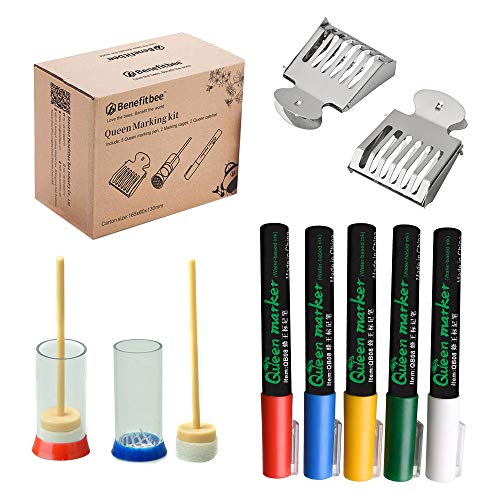
Queen Bee Biology: How a Queen Is Made, Mated, and Replaced
The complete queen file: how any young worker larva becomes a queen on a diet, why she emerges on day 16 while workers take 21 and drones 24, what happens on the mating flight at a drone congregation area, how one week of mating fuels a lifetime of egg laying, how she chooses to lay a worker or a drone, why her pheromone is the glue holding 50,000 bees together, how to read the three kinds of queen cells, and exactly what a failing queen looks like on the frame.
Updated Aug 202624 min read

Pollination Services: How Renting Hives Actually Works
The honest picture of the other beekeeping revenue stream: how commercial pollination works with almonds as the anchor event that reorganizes the entire US industry every February, how hives are graded by frames of bees, what a local orchard or market garden contract really looks like for a hobbyist, the risks nobody puts in the brochure, the gear it takes to move colonies safely, and a straight verdict on whether it is worth it for a backyard beekeeper.
Updated Aug 202618 min read

Nosema and Dysentery: The Difference That Matters
Brown streaks on the front of a hive in February are the most misdiagnosed sign in beekeeping. Nosema is a microsporidian parasite living inside the gut cells of adult bees, invisible without a microscope. Dysentery is a plumbing problem caused by too much water and indigestible solids in a bee that cannot get out to void. They overlap, they are not the same thing, and the management that fixes both is about stores, moisture, and queens rather than about anything you can pour in a feeder.
Updated Aug 202618 min read
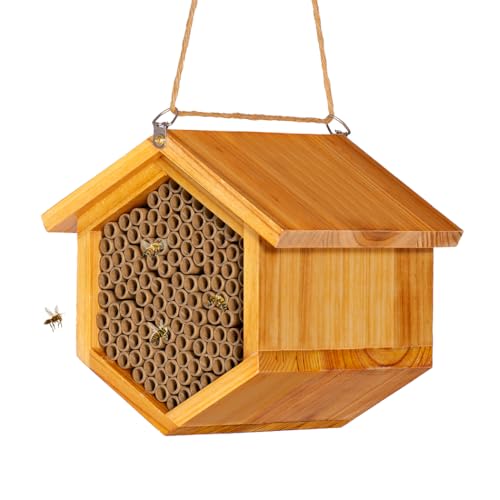
The Native Bees Guide: 4,000 Species Most People Never Notice
The United States has roughly four thousand native bee species, and the one on the honey jar is not among them. Here is the field guide the honey bee overshadows: bumble bees and the buzz pollination almonds and tomatoes depend on, mason and leafcutter bees in the cavities, mining and sweat bees underfoot, squash bees that show up in your zucchini before dawn, and carpenter bees in the deck rail. Plus the single most useful thing you can do for them, which costs nothing.
Updated Aug 202621 min read
Mason Bees vs Honey Bees: Which One Belongs in Your Yard
One is a native solitary insect that costs about sixty five dollars, takes four hours a year, almost never stings, and out-pollinates its rival blossom for blossom. The other is an imported livestock animal that costs several hundred dollars, takes dozens of hours, needs a suit and mite treatments, and makes honey. Here is the full head-to-head on cost, time, stings, pollination, equipment, regulation, and winter work, plus an honest verdict on who should keep which.
Updated Aug 202618 min read
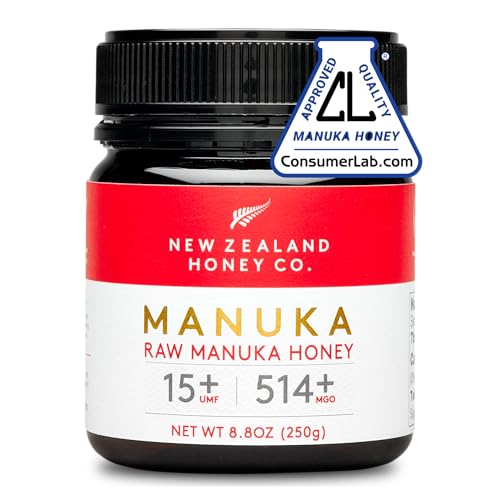
Manuka Honey UMF and MGO Explained: How the Grading Actually Works
Every number on a manuka jar, decoded: what methylglyoxal is and where it comes from, why dihydroxyacetone in manuka nectar is the reason the grade climbs on the shelf, what the UMF licence tests that a bare MGO number does not, the published UMF-to-MGO conversion table, which grading words are marketing rather than measurement, and the cost-per-MGO math that tells you whether a jar is priced honestly.
Updated Aug 202618 min read

How to Split a Hive: 3 Methods, Step by Step
The move that turns one colony into two, heads off a swarm, and replaces the queen you were going to have to buy anyway. Walk-away splits, splits with a mated queen, and nuc splits, with the frame recipe for each half, the forager drift problem nobody warns you about, and the 28-day clock to a laying queen.
Updated Aug 202621 min read
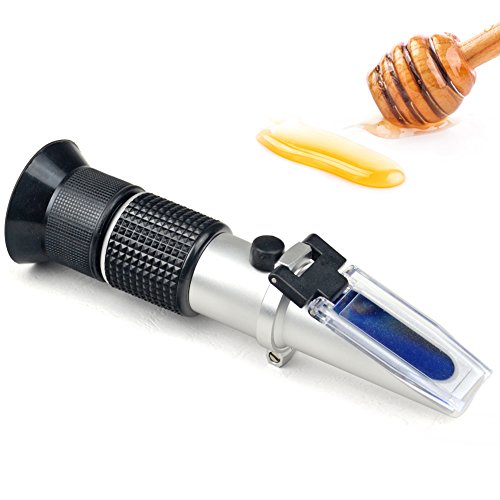
How to Sell Honey: Rules, Labels, Pricing, and Where to Sell It
The honest business page for beekeepers with more honey than shelf space: how cottage food law generally treats honey and why you must verify your own state's rules rather than trusting any article, the federal label elements every jar needs, what raw and local can and cannot claim, the per-ounce pricing math that beats guessing, the real difference between farmers market and wholesale money, and the value-added ladder where the actual margin lives.
Updated Aug 202621 min read

How to Render Beeswax: From Cappings to Clean Blocks
Rendering is melting raw hive wax and filtering the debris out of it, and it is the difference between a bucket of sticky cappings and blocks you can sell, gift, or turn into candles and balm. The whole craft rests on one rule: beeswax is flammable, so it never touches direct heat. Here are the three methods, the filtering sequence, the yields to expect, and the mistakes that start fires.
Updated Aug 202618 min read
How to Raise Mason Bees: The Complete Year, Start to Finish
No hive, no suit, no smoker, no mite treatments, and no honey either. Mason bees are the gentlest way to put a serious pollinator in a backyard, and the entire practice fits into about four hours a year. Here is the full annual cycle: mounting the house in late winter, releasing cocoons at the right temperature, the mud source that decides everything, watching the nesting season, harvesting and washing cocoons in the fall, and refrigerating them until spring.
Updated Aug 202622 min read
Our top-rated beekeeping gear
Whatever you decide, this is the gear we recommend: verified, researched, and ranked. Live price check on each.

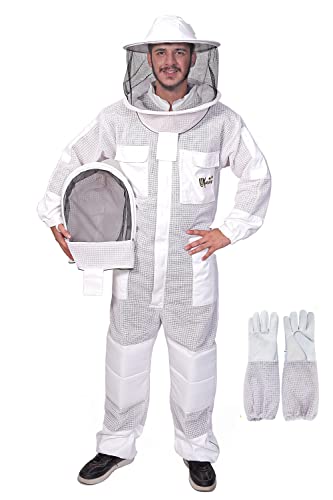


As an Amazon Associate we may earn from qualifying purchases, at no cost to you.