The Archive
136 guides · page 4 of 12

How to Prevent Swarming: The Levers, in Order
Swarming is not bad luck, it is arithmetic: congestion plus a strong flow plus an aging queen. Read the signal ladder from backfilling to charged cells, pull the levers in the right order, and understand why cutting queen cells is the one move that reliably fails.
Updated Aug 202620 min read

How to Move a Beehive Without Losing the Bees
Three feet or three miles, and everything that rule actually means: why foragers fly back to a spot rather than to their family, the workarounds for a short move, how to strap and seal a hive that will not come apart in a truck bed, and why heat, not the drive, is what kills bees in transit.
Updated Aug 202619 min read

How to Help Bees Without Keeping Bees
We sell beehive kits, and we are going to tell you plainly that buying one is not how you help pollinators. Honey bees are managed livestock. The bees that need help are the several hundred wild species already living in your yard, and helping them costs less than a hive, takes less time, and works.
Updated Aug 2026~15 min read

How to Get Rid of Carpenter Bees
Round holes in the fascia, sawdust on the deck, and a big shiny bee hovering in your face every time you open the back door. Here is the order of operations that actually ends it: identify the bee, judge the damage, trap the scouts, plug the tunnels at the right time of year, and finish the wood so next spring there is nothing to drill.
Updated Aug 2026~15 min read

How to Feed Bees Sugar Syrup: Ratios and Rules
1:1 by weight to stimulate spring buildup, 2:1 to pack fall stores, plain white cane sugar and nothing else, mixed with hot water off the heat and never boiled. Plus the rules that matter more than the recipe: when to stop, why supers on means no feeding, and how not to start a robbing war.
Updated Aug 202619 min read

How to Diagnose a Deadout: The Spring Autopsy
You lift the lid in March and the hive is silent. The frames in front of you are a written record of what happened, and the beekeeper who reads them correctly does not repeat the same loss next winter. This is the decision tree: what the cluster position, the stores, the cappings, the cell walls, and the smell each mean, what to salvage, and the one finding that means you stop, do not reuse anything, and call the state.
Updated Aug 202621 min read

How to Combine Two Hives with the Newspaper Method
One strong colony beats two weak ones going into winter, and a sheet of newspaper is how you get there. Choosing which queen lives, dispatching the other, the merge itself, the fall deadline, and the two situations where combining is the worst thing you can do.
Updated Aug 202619 min read

The Honey Varieties Guide: 12 Types Compared by Flavor and Use
The reference table for the honey aisle: clover, orange blossom, tupelo, sourwood, buckwheat, wildflower, acacia, manuka, avocado, sage, fireweed, and honeydew, each mapped by region, color, flavor, how fast it crystallizes, and what it is actually good for, plus how monofloral honey gets made, what the Pfund color scale measures, and why the same varietal tastes different from one year to the next.
Updated Aug 202618 min read

European Foulbrood and Chalkbrood: The Recoverable Brood Diseases
Two of the three brood diseases a US beekeeper is likely to meet are not death sentences. European foulbrood twists larvae into discolored ruin before their cells are ever capped, and usually recedes when the colony gets a queen, a flow, or both. Chalkbrood turns brood into white mummies you find on the landing board, and answers to ventilation and better genetics. This is the identification and management guide, plus the field-sign table that separates both from the disease that does end in fire.
Updated Aug 202618 min read
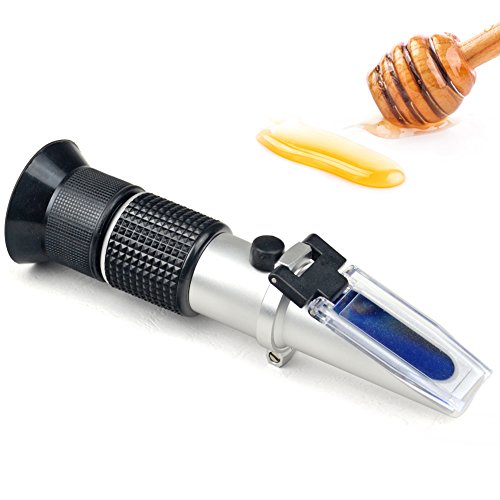
Does Honey Go Bad? What Actually Happens in the Jar
The complete answer: the three stacked defenses that make honey essentially unspoilable, why crystallization is physics rather than rot, how to bring a set jar back without cooking the flavor out of it, the one real failure mode (fermentation, and the moisture number behind it), what those best-by dates mean, an honest look at the ancient tomb honey story, and the one person who must never eat honey at all.
Updated Aug 202617 min read

Cooking and Baking with Honey: The Substitution Math That Works
Everything that changes when honey replaces sugar: the three-quarters ratio, the liquid you have to take back out, the twenty-five degree oven drop, the pinch of baking soda that fixes honey's acidity, why fructose makes everything brown faster, which varietals belong in which dishes, what hot honey is actually for, the measuring tricks that stop half of it staying in the cup, and why the expensive jar is the wrong jar for a cake.
Updated Aug 202617 min read
The Best Wax Moth Treatments (2026)
This is a small category with few good options, and we are going to say so. The best wax moth treatment in beekeeping is a chest freezer, which costs nothing per use and kills every life stage in 48 hours. Everything you can buy exists for the moment your comb inventory outgrows your freezer, and we ranked those honestly, including one product in this search that is not a wax moth treatment at all.
Updated Aug 202615 min read
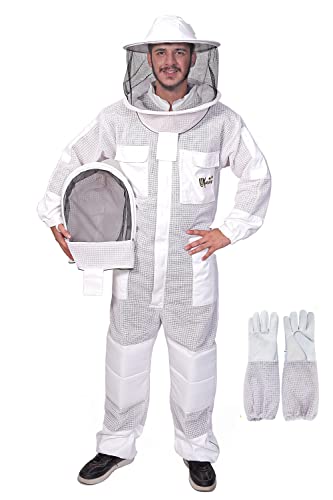
Our top-rated beekeeping gear
Whatever you decide, this is the gear we recommend: verified, researched, and ranked. Live price check on each.



As an Amazon Associate we may earn from qualifying purchases, at no cost to you.